
Key Takeaways
- • Domestic financial companies' overseas real estate alternative investment balance fell to KRW 55.6 trillion as of end-June 2026, a decline of KRW 300 billion from end-2025, according to the Financial Supervisory Service (FSS).
- • Insurers held the largest share at KRW 30.8 trillion, followed by banks at KRW 12.2 trillion, securities firms at KRW 7.3 trillion, and mutual finance institutions at KRW 3.3 trillion.
- • Investments in single overseas workplaces that triggered an event of default (EOD) rose to KRW 2.64 trillion, or 8.7% of the KRW 30.4 trillion total single-workplace exposure, up KRW 560 billion from KRW 2.8 trillion at end-2025.
- • EOD cases were concentrated in complex properties (KRW 1.75 trillion) and office properties (KRW 710 billion).
- • The FSS said overseas real estate exposure equals 0.7% of financial sector total assets but warned that global interest rate hikes could worsen investment conditions.
Summary
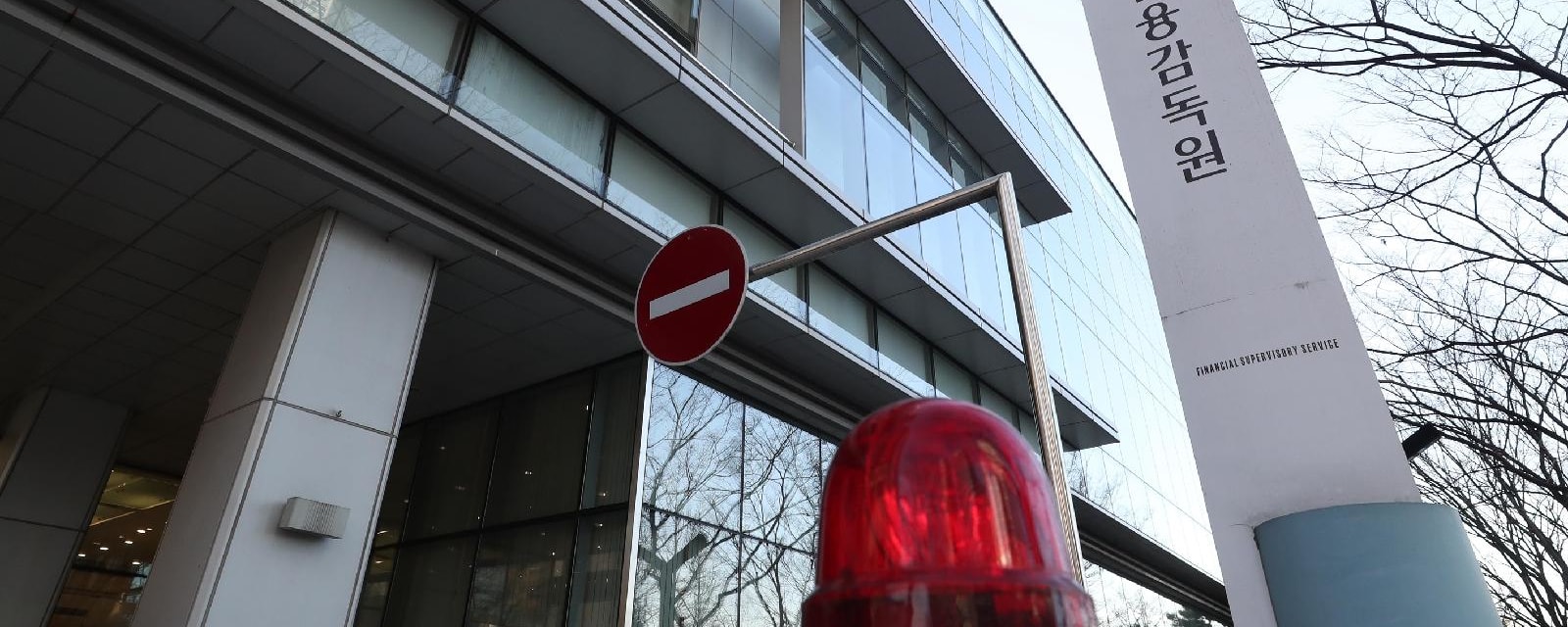
Although the overall size of domestic financial companies' overseas real estate alternative investments has declined, the share of exposures showing loan distress has grown, according to data released by the Financial Supervisory Service (FSS) on November 19, 2026, as reported by Maeil Business Newspaper (Maeil Business).
As of the end of June 2026, the balance of overseas real estate alternative investments held by domestic financial companies stood at KRW 55.6 trillion, a decrease of KRW 300 billion from the end of 2025. The exposure represents 0.7% of total financial sector assets. By institution type, insurance companies held the largest balance at KRW 30.8 trillion, followed by banks at KRW 12.2 trillion, securities firms at KRW 7.3 trillion, and mutual finance institutions at KRW 3.3 trillion. By region, North America accounted for the largest share at KRW 33.9 trillion, followed by Europe at KRW 10.7 trillion and Asia at KRW 3.8 trillion.
The headline decline masks a deterioration in asset quality. Of the KRW 30.4 trillion invested in single overseas workplaces, KRW 2.64 trillion (8.7%) was in positions that experienced EOD, meaning the borrower lost the right to defer principal repayment and the full remaining loan became immediately due, typically after interest payments were missed. That figure rose by KRW 560 billion in six months from KRW 2.8 trillion at the end of 2025. EOD cases were concentrated in complex properties (KRW 1.75 trillion) and office properties (KRW 710 billion).
An FSS official said the overseas real estate investment balance had decreased slightly from the prior year and remained modest relative to financial sector assets. The official warned, however, that continued risk management is needed because investment conditions are likely to deteriorate as a result of global interest rate hikes. The FSS said it will continue to monitor overseas real estate exposures across all financial sectors to support the soundness of financial companies amid changing external conditions.
Go deeper than the headline
Research every firm in this story, track the ones that matter and get the daily briefing — free for 7 days.