
Key Takeaways
- • The International Association of Insurance Supervisors (IAIS) published a draft consultation paper on March 19, 2025, analyzing structural shifts in the life insurance sector over the past four years, with particular focus on increased allocation to alternative assets and asset-intensive reinsurance transactions.
- • Life insurers are significantly increasing allocations to alternative assets—including private equity, real estate, infrastructure, hedge funds, and private debt—as part of yield-seeking strategies in response to prolonged low interest rate environments.
- • The IAIS identifies macroprudential and financial stability risks stemming from the interconnectedness of life insurers with other financial institutions, highlighting potential contagion risks that require robust supervisory oversight and risk management frameworks.
- • The consultation paper emphasizes the need to review and update supervisory materials to ensure regulatory approaches remain effective in addressing challenges posed by evolving investment strategies and complex, cross-border reinsurance structures backed by alternative assets.
- • The IAIS is actively soliciting stakeholder feedback on the draft paper from insurers, reinsurers, and asset managers to refine its supervisory approach and ensure the stability and resilience of the global insurance market.
Summary
The International Association of Insurance Supervisors has released a comprehensive draft issues paper examining significant structural transformations occurring within the life insurance sector. Published on March 19, 2025, the consultation document reflects findings from the IAIS's four-year Global Monitoring Exercise and addresses fundamental shifts in how life insurers manage assets and liabilities in an evolving market environment.
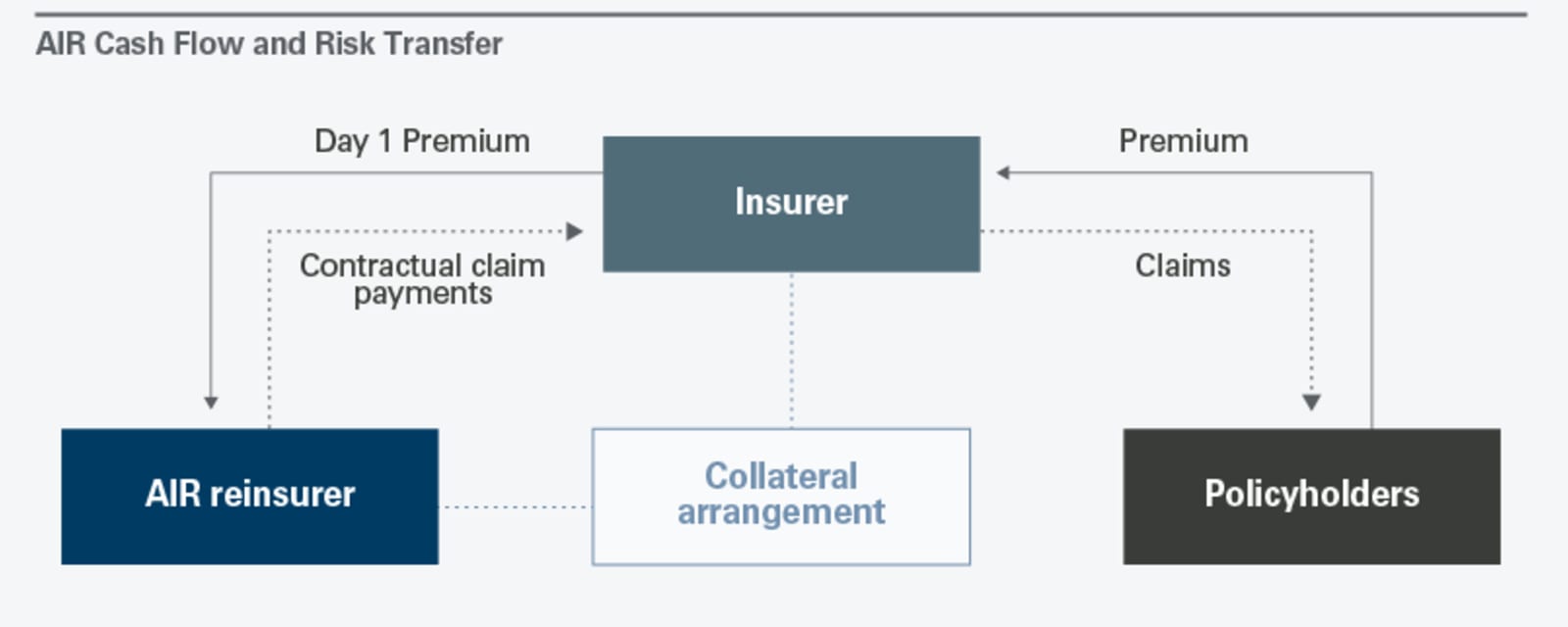
The most prominent structural change documented in the paper is the substantial reallocation of life insurance portfolios toward alternative assets. Traditionally reliant on high-quality bonds and equities, life insurers have increasingly deployed capital into private equity, real estate, infrastructure investments, hedge funds, and private debt instruments. This strategic pivot reflects insurers' response to prolonged periods of low interest rates, which have compressed yields on traditional fixed-income holdings and pressured returns needed to meet long-term policyholder obligations. Concurrently, the sector has experienced a marked rise in complex, cross-border reinsurance transactions structured with alternative asset backing, introducing new dimensions of interconnectedness across the global financial system.
The IAIS paper acknowledges that these structural shifts present both opportunities and material risks. While alternative asset allocation can enhance portfolio diversification and yield generation, the regulatory body emphasizes that such strategies introduce supervisory challenges requiring robust risk management and oversight. A critical concern highlighted in the analysis involves macroprudential implications—the degree to which life insurers' expanding role in alternative asset markets and interconnectedness with other financial institutions creates systemic contagion risks. Given the scale and complexity of these transactions, traditional supervisory frameworks may require updating to capture emerging vulnerabilities.
In response to these findings, the IAIS is actively reviewing its supervisory materials and methodologies to ensure its regulatory approach remains fit-for-purpose in addressing contemporary risks in the life insurance sector. The organization is soliciting detailed feedback from key market participants—insurers, reinsurers, and asset managers—on the draft paper. This consultation process aims to refine the IAIS's understanding of regulatory trends and best practices for alternative asset investment oversight and complex reinsurance structures, ultimately strengthening the resilience and stability of global insurance markets.
Go deeper than the headline
Research every firm in this story, track the ones that matter and get the daily briefing — free for 7 days.