
Key Takeaways
- • The International Association of Insurance Supervisors (IAIS) published a draft consultation paper on March 19, 2025, analyzing structural shifts in the life insurance sector, with particular focus on increased allocation to alternative assets and asset-intensive reinsurance transactions.
- • Life insurers are significantly increasing investments in alternative assets—including private equity, real estate, infrastructure, hedge funds, and private debt—a shift from traditional reliance on high-quality bonds and equities to meet long-term policyholder liabilities.
- • The IAIS identified macroprudential and financial stability risks stemming from interconnectedness between life insurers and other financial institutions, including potential contagion risks from complex, cross-border reinsurance deals backed by alternative assets.
- • The Institute of International Finance (IIF) responded on June 2, 2025, contending that existing Insurance Core Principles (ICPs) are adequate to address identified risks when properly implemented, and advocating for proportionate regulatory approaches given limited current exposures to alternative assets.
- • The IAIS consultation emphasizes the need for robust risk management and supervisory oversight while recognizing that alternative investments and asset-intensive reinsurance contribute to insurance affordability and help address demographic-driven retirement and pension protection gaps.
Summary
The IAIS issued a comprehensive analysis of structural transformations underway in the global life insurance sector, prompted by four years of monitoring through its Global Monitoring Exercise (GME). The March 19, 2025 draft consultation paper identifies a fundamental shift in how life insurers are managing assets to meet long-term policyholder obligations. Historically dependent on traditional fixed-income and equity holdings, insurers are increasingly deploying capital into alternative asset classes—private equity, infrastructure, real estate, hedge funds, and private debt—as they navigate a prolonged low-interest-rate environment that has compressed yields on conventional investments.
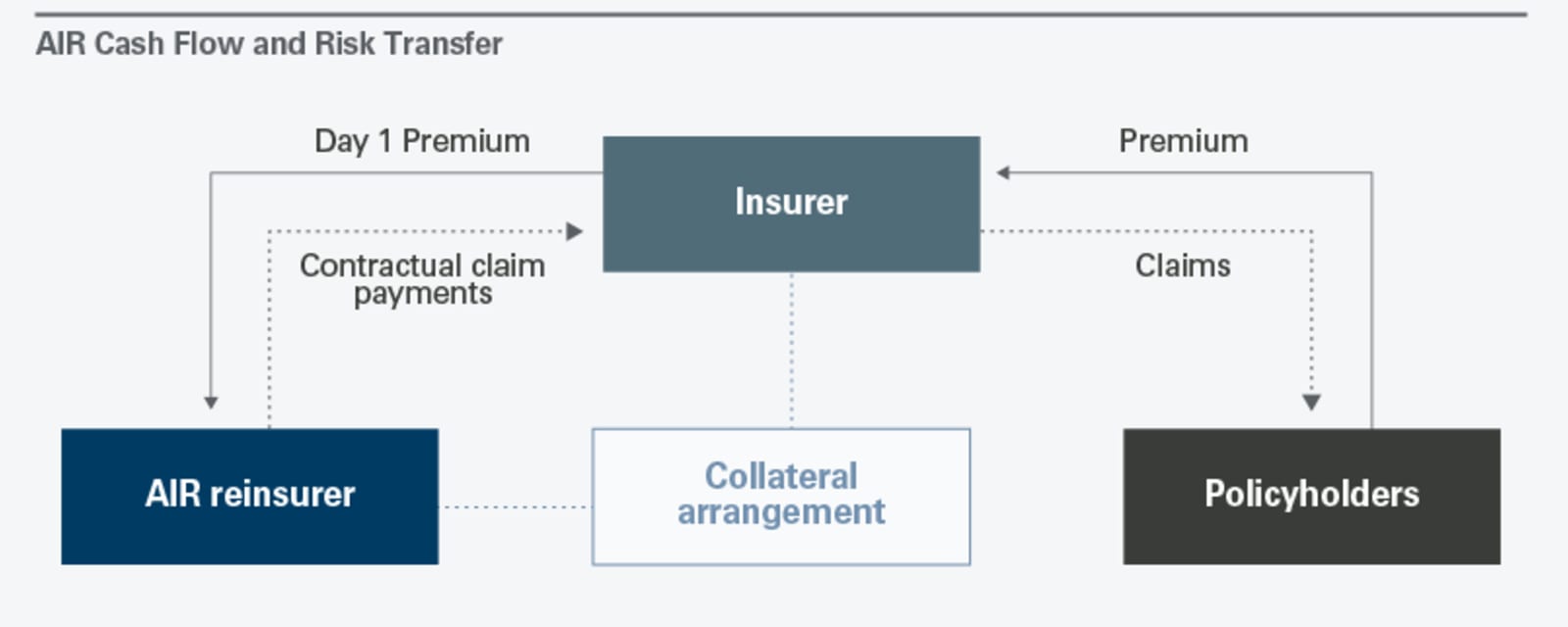
This strategic reallocation carries dual implications for market participants and regulators. While alternative assets and asset-intensive reinsurance structures enhance insurance affordability and availability—particularly critical given aging populations requiring expanded retirement and pension protections—they also introduce operational and systemic risks. The IAIS paper underscores macroprudential concerns arising from the interconnectedness of life insurers with banks, asset managers, and reinsurers. Complex, cross-border reinsurance transactions backed by alternative holdings create contagion vectors that supervisors must monitor closely to maintain financial stability.
The IAIS consultation framework proposes principles-based definitions for alternative assets and aims to assess whether existing supervisory materials remain adequate. However, industry responses diverged on regulatory intensity. The IIF, responding on June 2, 2025, argued that the Insurance Core Principles—the IAIS's foundational supervisory standards—provide sufficient guardrails when consistently applied across jurisdictions. The IIF cautioned against prescriptive new standards, emphasizing that current alternative asset exposures remain limited and pose minimal systemic risk, while advocating instead for enhanced supervisory cooperation and information-sharing mechanisms that respect jurisdictional differences in market structure and regulatory architecture.
The consultation signals that supervisory bodies worldwide will intensify scrutiny of life insurers' investment strategies, risk management frameworks, and operational resilience. Insurers, reinsurers, and asset managers serving the sector should anticipate evolving regulatory guidance on alternative asset classification, concentration limits, and liquidity risk management. The IAIS's emphasis on macroprudential considerations suggests future standards may address systemic interconnectedness more directly, requiring enhanced stress-testing and disclosure requirements related to alternative holdings and reinsurance counterparty risk.
Go deeper than the headline
Research every firm in this story, track the ones that matter and get the daily briefing — free for 7 days.