
Key Takeaways
- • Rep. Bobby Scott, D-Va., in line to lead the House Education and Workforce Committee in January, sent letters on Nov. 4, 2026 to heads of 10 federal departments and agencies, including the Department of Labor, directing them to preserve records under the Federal Records Act of 1950.
- • Scott requested written assurance from Labor Secretary Keith Sonderling by Nov. 18 that records, documents, data, or information have not been and will not be concealed, modified, removed, transferred, destroyed, or otherwise rendered inaccessible.
- • Democrats won control of Congress on Nov. 3, 2026, setting up expected oversight of DOL and SEC rulemaking, though President Trump and the Republican leaders at the DOL and SEC remain in place.
- • Practitioners such as Groom Law Group's Kevin Walsh do not expect the election to materially change the DOL's investment selection proposal on private markets in 401(k) plans, which sources expect to be finalized before January.
- • Democratic lawmakers Scott, Sanders and Raskin previously called in September for an investigation into roughly 12,000 allegedly manufactured comments supporting the DOL proposal.
Summary
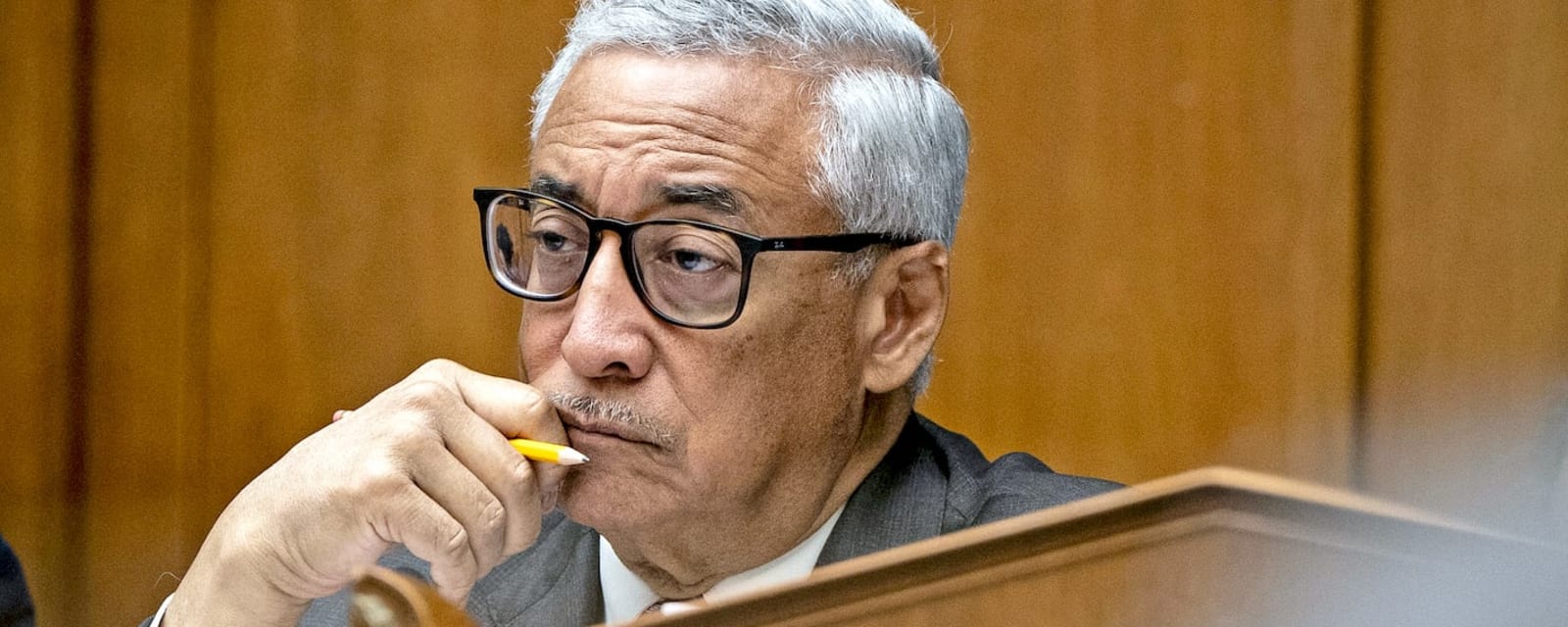
Hours after Democrats won control of Congress on Nov. 3, 2026, Rep. Bobby Scott, D-Va., began laying the groundwork for investigations and heightened regulatory scrutiny. According to Pensions & Investments, Scott sent letters on Nov. 4 to the heads of 10 federal departments and agencies under the Education and Workforce Committee's jurisdiction, reminding them of their obligation under the Federal Records Act of 1950 to preserve all records that may be in the public interest. In a statement, Scott said, "As the top Democrat on the Committee, I intend to hold this Administration accountable by calling them to answer for their actions." He added that he would "use Congress' oversight tools and leave no stone unturned."
In his letter to Labor Secretary Keith Sonderling, Scott requested "an assurance, in writing," by Nov. 18 that records have not been and will not be concealed, modified, removed, transferred, destroyed, or otherwise rendered inaccessible. The DOL did not immediately respond to a request for comment. Final vote counts were still pending in some races, but Democrats are expected to hold comfortable majorities in both chambers for the next two years.
Prior to the election, industry sources told P&I that Democrat-led committees overseeing the DOL and the Securities and Exchange Commission were likely to scrutinize rulemakings and procedures through hearings and document requests. Kevin Walsh, principal and fiduciary practice leader at Groom Law Group, said that when one party controls both chambers of Congress and another holds the White House, "oversight and investigations tends to be a high priority."
The political shift does not immediately alter the regulatory agenda. Trump remains in the White House, and Republican leaders at the DOL and SEC will continue executing their agendas. Walsh said he does not expect the result to materially change the agenda at the DOL's Employee Benefits Security Administration, including its March investment selection proposal to broaden access to private markets in 401(k) plans. Newly empowered Democrats could nonetheless scrutinize that proposal, which sources expect to be finalized before the new Congress convenes in January.
Opposition to the proposal has been organized. In June, Scott, Sen. Bernie Sanders, I-Vt., and Sen. Elizabeth Warren, D-Mass., submitted a joint comment letter arguing the proposal would "strip long-held investor protections from retirement savers and encourage the use of more risky, complex, and expensive investments." Sanders is in line to lead the Senate Health, Education, Labor, and Pensions Committee, and Warren is in line to chair the Senate Banking Committee. In September, Scott, Sanders and Rep. Jamie Raskin, D-Md., who is likely to chair the House Judiciary Committee, called for an investigation into roughly 12,000 comments the DOL received on the proposal that were allegedly manufactured in support of it.
Go deeper than the headline
Research every firm in this story, track the ones that matter and get the daily briefing — free for 7 days.