
Key Takeaways
- • Marketing alone cannot overcome structural competitive advantages: The dairy industry's established lobbying infrastructure and deeper financial resources are creating an asymmetric competitive dynamic that plant-based milk producers struggle to counter through advertising alone, according to sustainability experts.
- • Climate messaging faces industry resistance: Despite growing consumer awareness of animal agriculture's climate impact (which accounts for 75 percent of the country's diet-related emissions), legacy dairy products continue to defend market share through aggressive counter-marketing campaigns rather than substantive sustainability pivots.
- • "Old fashioned" industry tactics signal vulnerability: University of Pittsburgh sustainability chair CB Bhattacharya characterizes the dairy industry's marketing response as outdated, suggesting that traditional lobbying and advertising strategies may prove insufficient against shifting consumer preferences on climate grounds.
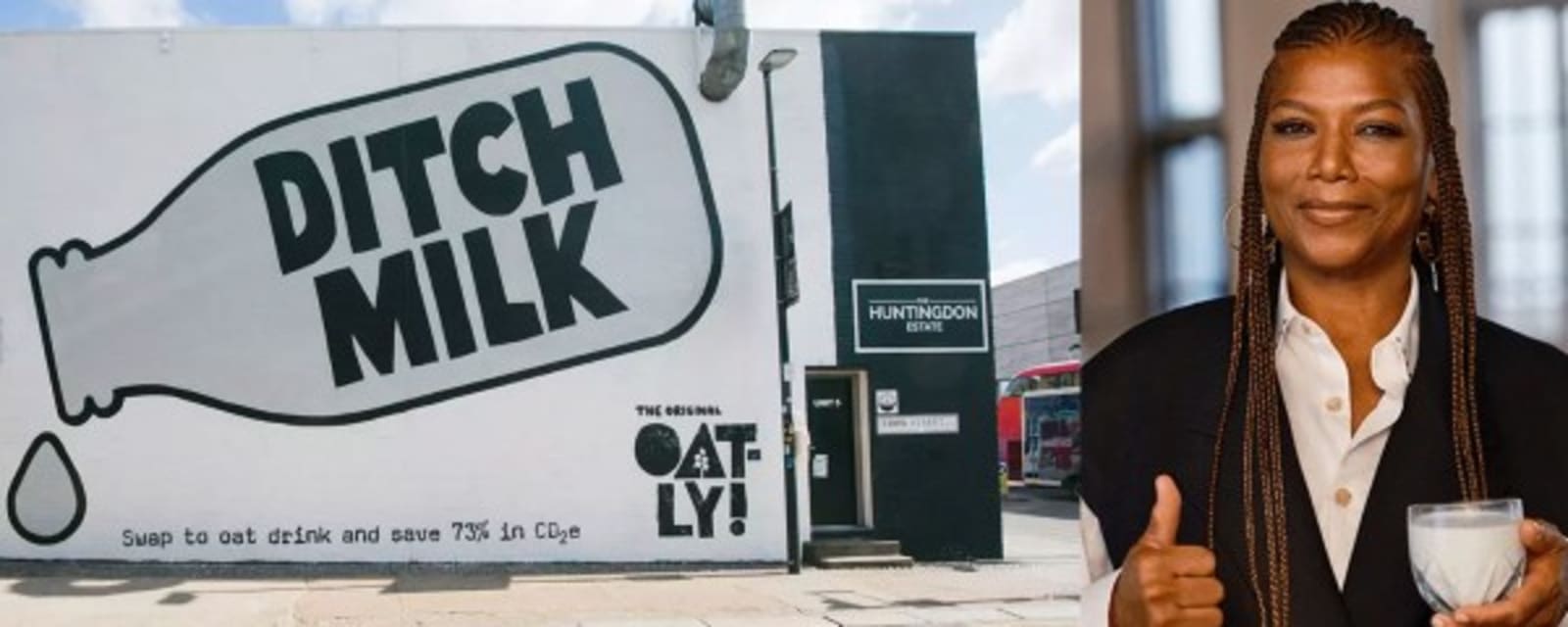
- • Positioning of marketing as climate solution is being tested in real-time: The milk wars have evolved from product differentiation campaigns (including symbolic efforts like billboards urging consumers to eliminate dairy for climate reasons) into a broader test case for whether marketing interventions can drive demand shifts toward lower-carbon alternatives when incumbent industries possess superior financial and political resources.
Summary
The competitive battle between plant-based and animal-based milk producers has emerged as a critical case study in whether marketing can effectively drive consumer behavior toward climate-friendly products. The dairy industry, facing increasing consumer awareness of animal agriculture's environmental footprint—which represents 75 percent of diet-related emissions—has responded with aggressive counter-marketing campaigns rather than substantive operational changes to reduce carbon intensity.
The structural imbalance in this competitive dynamic reflects a fundamental challenge to the thesis that marketing alone can shift demand toward greener alternatives. Legacy dairy producers benefit from deeper financial resources, more established lobbying apparatus, and decades of brand equity that plant-based competitors lack. These advantages enable the dairy industry to mount sustained counter-campaigns that can overwhelm plant-based marketing efforts in terms of reach, frequency, and credibility signals. The industry's response—which includes both direct defense of dairy labeling and satirical attacks on plant-based products—demonstrates that incumbent, higher-carbon industries will leverage their structural advantages to maintain market share.
According to CB Bhattacharya, H.J. Zoffer chair in sustainability and ethics at the University of Pittsburgh, the dairy industry's current marketing strategy is fundamentally flawed given evolving consumer consciousness. Bhattacharya stated: "What the milk industry is doing … it's old fashioned. With increasing consumer awareness of the impact of animals on climate change, I don't think it's going to stick." This assessment suggests that while the dairy industry retains near-term competitive advantages through superior marketing resources and political influence, its reliance on traditional advertising and lobbying tactics may prove inadequate against longer-term secular trends in environmental consciousness and consumer preferences.
The milk wars thus represent a critical test of marketing's efficacy as a climate solution mechanism. The preliminary evidence suggests that marketing's power is constrained when deployed by resource-disadvantaged actors (plant-based producers) against well-capitalized incumbents with entrenched political relationships. Without regulatory or structural interventions beyond marketing—such as carbon pricing, subsidy realignment, or labeling requirements that account for environmental externalities—the ability of greener producers to shift demand through advertising alone appears limited.
Go deeper than the headline
Research every firm in this story, track the ones that matter and get the daily briefing — free for 7 days.