
Key Takeaways
- • Bitcoin rallied above $69,000 on Monday following reports of a potential U.S.-Iran ceasefire, demonstrating cryptocurrency's sensitivity to geopolitical risk sentiment and broader market risk appetite.
- • The ceasefire narrative triggered a broad-based rally across altcoins alongside Bitcoin, indicating coordinated movement across digital asset markets tied to macroeconomic risk dynamics.
- • Bitcoin subsequently declined below $67,000 on Thursday after President Donald Trump signaled threats toward Iran, establishing a clear inverse correlation between escalating geopolitical tensions and crypto valuations.
- • The price volatility underscores cryptocurrency markets' function as risk-on/risk-off indicators, with institutional investors using digital assets as proxies for broader appetite for risky assets.
Summary
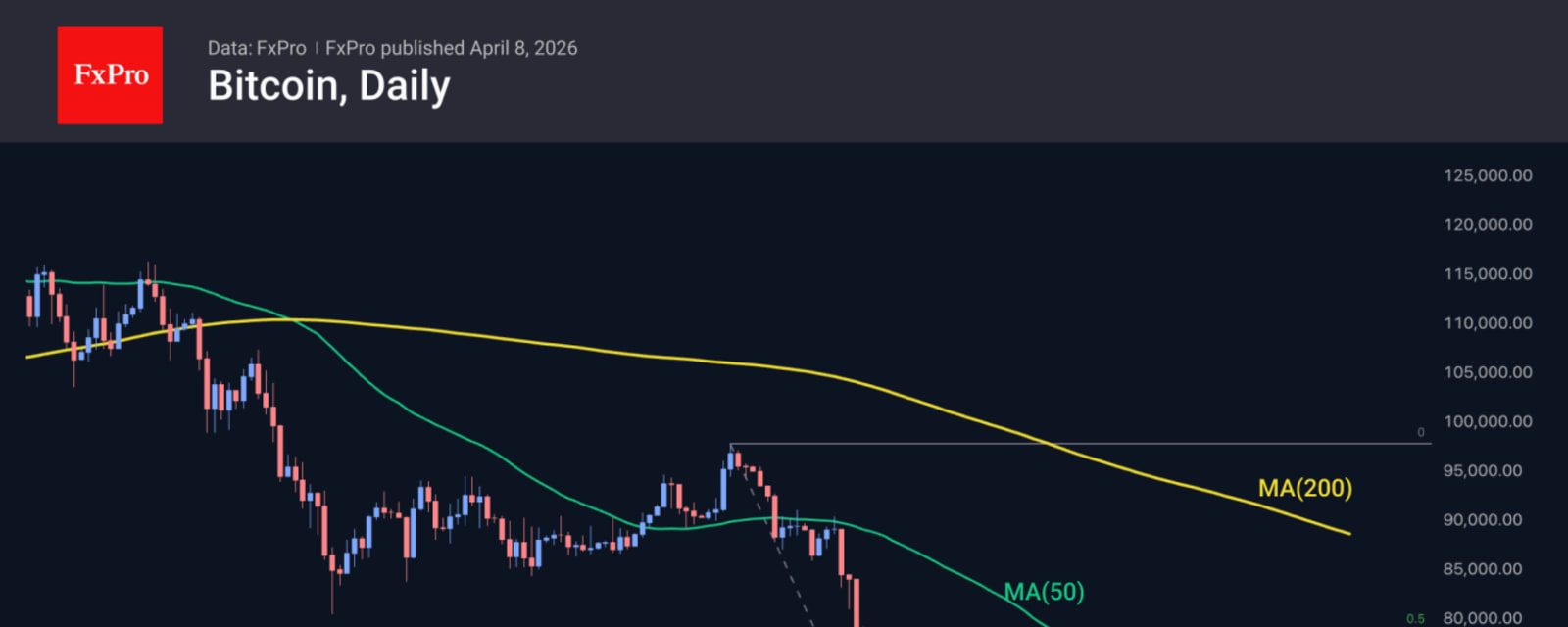
Bitcoin exhibited pronounced volatility during the first two weeks of April 2026, trading in a $5,000+ range as geopolitical developments between the United States and Iran drove market sentiment. The cryptocurrency initially rallied to nearly $72,000 as market participants responded positively to ceasefire negotiations between the two nations. This upward movement reflected a classic risk-on environment, in which investors increased exposure to higher-yielding and more volatile asset classes amid reduced geopolitical tail risks.
The initial rally above $69,000 on Monday demonstrated the maturation of cryptocurrency markets as macroeconomic indicators. Rather than trading in isolation, Bitcoin moved in lockstep with traditional risk assets, suggesting that institutional capital has increasingly integrated digital assets into broader portfolio risk management frameworks. The altcoin market followed Bitcoin's directional bias, with secondary cryptocurrencies recording gains proportional to the shift in risk appetite.
However, the ceasefire-driven momentum reversed sharply on Thursday when President Trump threatened escalatory action against Iran. Bitcoin declined below $67,000 as market participants repriced geopolitical risk, establishing a clear risk-off dynamic. The sharp reversal—representing a $5,000+ swing in four trading days—highlights the sensitivity of cryptocurrency valuations to headline risk and the absence of fundamental anchoring mechanisms. For institutional investors, the episode underscores both the utility of crypto as a real-time risk sentiment gauge and the concentrated tail risks inherent in digital asset valuations during periods of elevated geopolitical uncertainty.
The trading pattern observed during this period reflects cryptocurrency markets' continued function as beta-driven instruments highly correlated with risk appetite rather than idiosyncratic value propositions. Investors should monitor geopolitical developments as primary drivers of near-term Bitcoin and altcoin valuations.
Go deeper than the headline
Research every firm in this story, track the ones that matter and get the daily briefing — free for 7 days.