
Key Takeaways
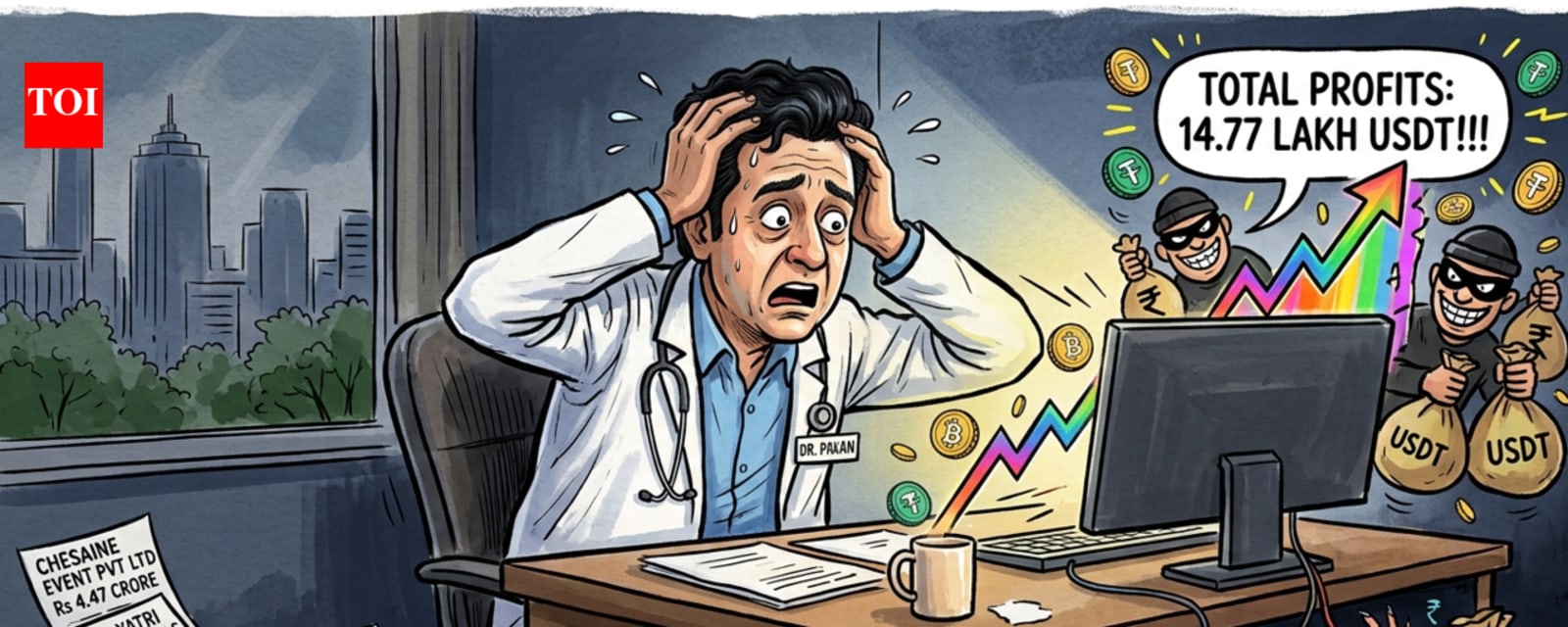
- • A 34-year-old doctor in Bengaluru lost over Rs 4 crore (approximately $480,000 USD) after being recruited through social media groups and presented with fabricated profit statements on a fake trading platform.
- • Scammers employed confidence-building tactics by displaying fake returns of Rs 4.6 crore on the fraudulent platform while blocking withdrawal attempts, a hallmark technique in investment app fraud schemes operating across India.
- • The fraud was facilitated through messaging platforms (Telegram and WhatsApp) where perpetrators recruited victims via social media, directing them to download counterfeit trading applications designed to simulate legitimate stock and crypto trading environments.
- • Multiple similar cases indicate a systematic pattern: a Pune doctor lost Rs 12.31 crore, a Hyderabad techie transferred Rs 2.9 crore to a fake crypto app, and a Bengaluru doctor lost Rs 73 lakh to comparable schemes, suggesting an organized fraud operation targeting medical professionals and high-income earners.
Summary
A 34-year-old doctor in Bengaluru has become the latest victim of an increasingly sophisticated investment fraud scheme that leverages fake trading platforms and social engineering tactics to extract large sums from affluent professionals. The victim was initially recruited through social media groups with promises of high returns, then directed to download a counterfeit trading application that displayed fabricated profit statements. According to available reports, the doctor lost over Rs 4 crore in the scheme, though some sources cite figures around Rs 1.5 crore for related cases in the region.
The fraud mechanism follows a consistent playbook: perpetrators build credibility by displaying substantial paper gains on fake platforms—in this case, showing Rs 4.6 crore in returns—before blocking all withdrawal requests. This confidence-building phase is critical to the scam's success, as it encourages victims to deposit additional funds believing they have profitable positions. Communication occurs exclusively through encrypted messaging applications (Telegram and WhatsApp), creating additional opacity and reducing the victim's ability to verify legitimacy through traditional channels.
The Bengaluru case is part of a broader pattern of similar frauds targeting India's professional class. A 75-year-old Pune doctor lost Rs 12.31 crore through an analogous scheme involving a fake app and WhatsApp group recruitment. A Hyderabad techie transferred Rs 2.9 crore to a fraudulent crypto application after meeting the perpetrator on Facebook, only to discover the entire platform was counterfeit when attempting withdrawals. These incidents suggest organized, scalable fraud operations with sophisticated app development capabilities targeting high-net-worth individuals in the medical and technology sectors.
The schemes exploit the gap between digital literacy and investment expertise among affluent professionals, who may be comfortable with technology but lack familiarity with verification mechanisms for investment platforms and regulatory oversight. Victims often realize the fraud only after attempting to withdraw gains, at which point funds have been transferred to untraceable accounts. These cases underscore the need for institutional awareness regarding social engineering tactics deployed against high-income earners and the risks posed by unverified investment applications.
Go deeper than the headline
Research every firm in this story, track the ones that matter and get the daily briefing — free for 7 days.