
Key Takeaways
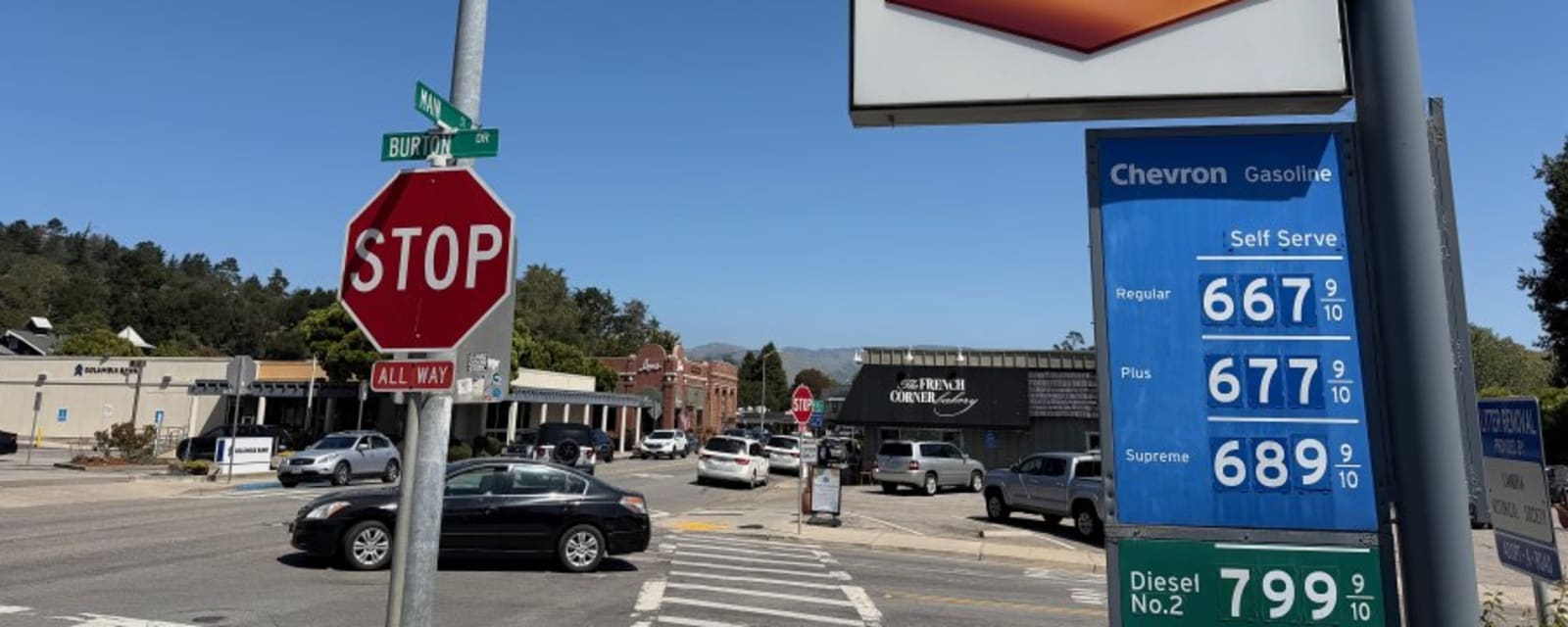
- • National gasoline prices reached $4.10 per gallon in August 2026, marking the most expensive August on record, with further upside risk to $6 per gallon or higher depending on geopolitical outcomes.
- • U.S. Strategic Petroleum Reserve has fallen to its lowest level since 1982 due to coordinated drawdowns by the U.S. and allies in response to reduced Strait of Hormuz shipping traffic (from 100+ daily vessels to approximately 5), creating structural supply constraints.
- • The U.S. economy faces a trilemma: sustained AI investment without job displacement requires elevated energy prices; AI-driven employment losses trigger demand destruction that suppresses gas prices but risks recession via reduced consumer spending (which represents 70% of GDP); or AI investment fails, creating an 8% GDP gap that independently triggers recession.
- • Demand destruction is currently the primary brake on oil price acceleration, with consumption declines concentrated in Middle East and Asia-Pacific regions—but American consumers will need to curtail fuel usage significantly to prevent $6+ gasoline, which directly reduces aggregate consumer spending and recession risk.
- • AI sector investments now represent over 25% of GDP growth and 8% of total GDP, but lack profitability; continued drawdowns without profitable returns would remove a material growth component and intensify recessionary pressure.
Summary
The U.S. energy market faces acute near-term supply pressure and systemic longer-term economic constraints, with gasoline prices averaging $4.10 per gallon in August 2026—the highest monthly average on record. The primary driver is geopolitical disruption in the Strait of Hormuz, where daily vessel transit has collapsed from over 100 ships to approximately 5 following military conflict. In response, the U.S. and allied nations have drawn Strategic Petroleum Reserve stocks to their lowest levels since 1982, a consumption rate that is fundamentally unsustainable.
The base case for oil price trajectories reveals an uncomfortable economic paradox. Falling global oil demand is currently the primary mechanism preventing prices from surging to $6 per gallon or higher, yet demand destruction is a classical signal of economic weakness. Demand reductions have thus far concentrated in the Middle East and Asia-Pacific, but maintaining lower prices will require material curtailment of American fuel consumption. Since consumer spending represents approximately 70% of U.S. GDP, any significant reduction in consumer outlays to suppress energy costs creates direct recessionary pressure through reduced aggregate demand.
The second layer of economic stress originates from the artificial intelligence sector, which currently absorbs over 25% of incremental GDP growth and represents 8% of total GDP—an unusually concentrated allocation for an unproven, structurally unprofitable industry. The sector faces dual risks: if AI deployment succeeds at scale in displacing workers, consumer spending faces severe headwinds, triggering recession via employment and income destruction; if AI investment fails to generate profitable returns, the immediate loss of this 8% GDP contribution independently triggers recession. A third path—maintaining consumer spending via continued AI investment alongside elevated energy prices due to supply constraints—assumes geopolitical de-escalation and persistent consumer demand despite cost pressures, a scenario carrying significant execution risk.
The Strategic Petroleum Reserve drawdowns cannot continue indefinitely, and refilling reserves requires stable or declining oil prices, which typically correlate with weak economic conditions. Even an optimistic resolution of Strait of Hormuz tensions would leave reserve replenishment as a years-long project. The convergence of constrained energy supply, concentrated AI sector exposure with no proven business model, and the structural reliance on consumer spending creates a narrow path for sustained economic stability, with recession appearing the modal outcome under most feasible scenarios.
Go deeper than the headline
Research every firm in this story, track the ones that matter and get the daily briefing — free for 7 days.