
Key Takeaways
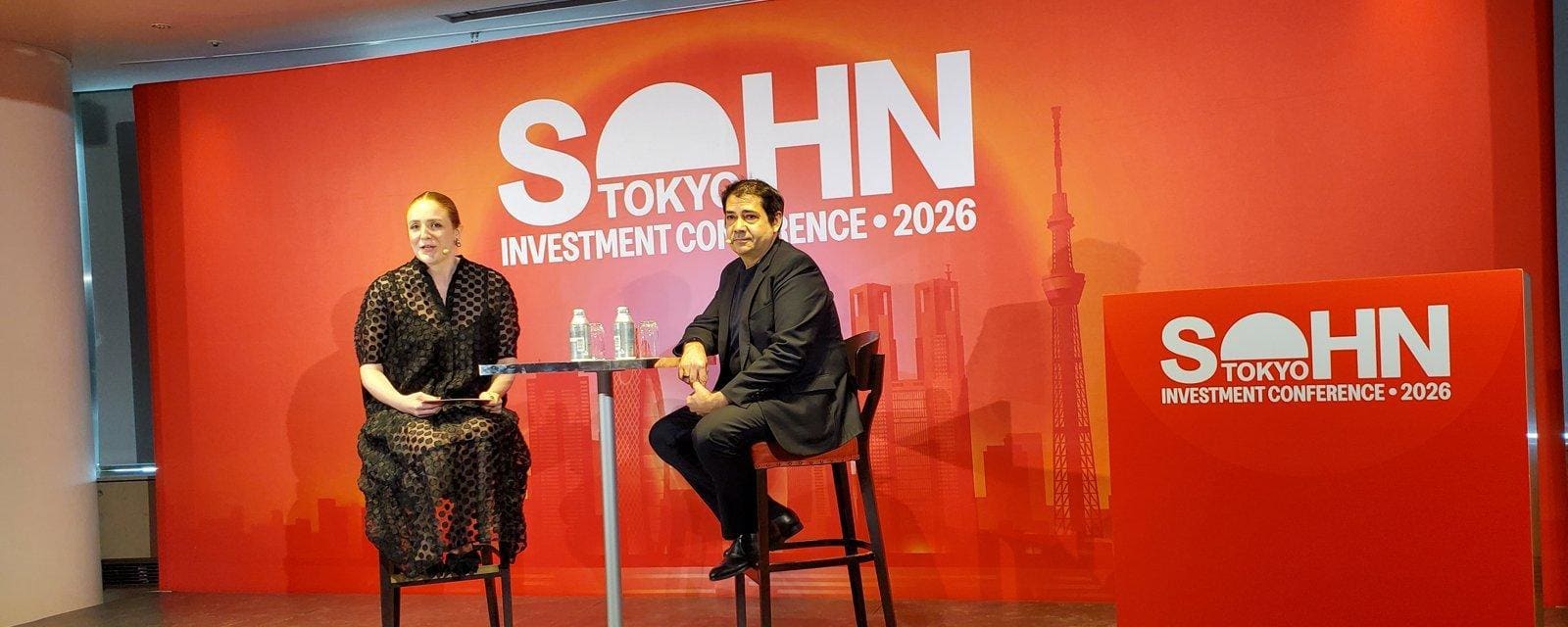
- • Michel Mommejat, president and chief innovation officer of Tokyo genomics company A.D.A.M. Innovations, argued at Sohn Tokyo 2026 that genetic test results should be treated as a living dataset rather than a one-time reading, since what DNA can reveal changes with age, habits and new health data.
- • Mommejat positioned genomics as a tool for early cancer detection and treatment selection, framing the value of repeated, updated analysis as the core opportunity in the field.
- • The article identifies the one-time testing model as the unsolved business problem for consumer genomics, citing 23andMe, formerly listed on Nasdaq, as an example of the challenge.
- • The headline references 2.9 million genetic tests and the reasons drug makers pay for access to Japan's DNA data, though the available text does not provide the underlying figures or deal terms.
Summary
Michel Mommejat, president and chief innovation officer of Tokyo-based genomics company A.D.A.M. Innovations, used his appearance at Sohn Tokyo 2026 to challenge a common assumption in consumer genetics: that a person takes a genetic test once and files the results away. According to the Hedge Fund Alpha account, Mommejat argued that while a person's DNA is fixed, the information it can yield is not. Age, changing habits and the accumulation of new health data alongside genomic information all alter what the results can tell an individual.
On that basis, Mommejat contended that genomics can serve as an ongoing tool for detecting cancer and other conditions at an early stage, and for guiding treatment selection once a condition has been diagnosed. The article notes that this repeated-use model addresses a business problem consumer genomics has not yet solved, pointing to 23andMe, which was then listed on Nasdaq, as an example of a company whose one-time testing model faced that constraint.
The article's headline references 2.9 million genetic tests and the reasons drug makers pay for access to Japan's DNA data. The publicly visible text, however, is limited to the opening portion of the piece, and the full article is behind a login. Accordingly, specific figures on the test volume, pricing, or pharmaceutical licensing arrangements cannot be confirmed from the available material.
Go deeper than the headline
Research every firm in this story, track the ones that matter and get the daily briefing — free for 7 days.