
Key Takeaways
- • Arminio Fraga, a prominent Brazilian hedge-fund manager, has transferred his funds to Brazil's fourth-largest bank, signaling a significant shift in the country's asset management landscape.
- • Brazil's hedge-fund industry is experiencing a contraction as double-digit economic pressures and market volatility reduce investor demand, forcing talented fund managers to seek alternative employment opportunities with institutional banking players.
- • The migration of hedge-fund talent to traditional banks reflects a broader industry consolidation trend, as smaller independent managers face headwinds in raising capital and competing with larger, bank-backed platforms.
- • This development underscores the cyclical challenges facing Brazil's alternative asset management sector, where boom-and-bust cycles have historically pressured fund retention and management continuity.
Summary
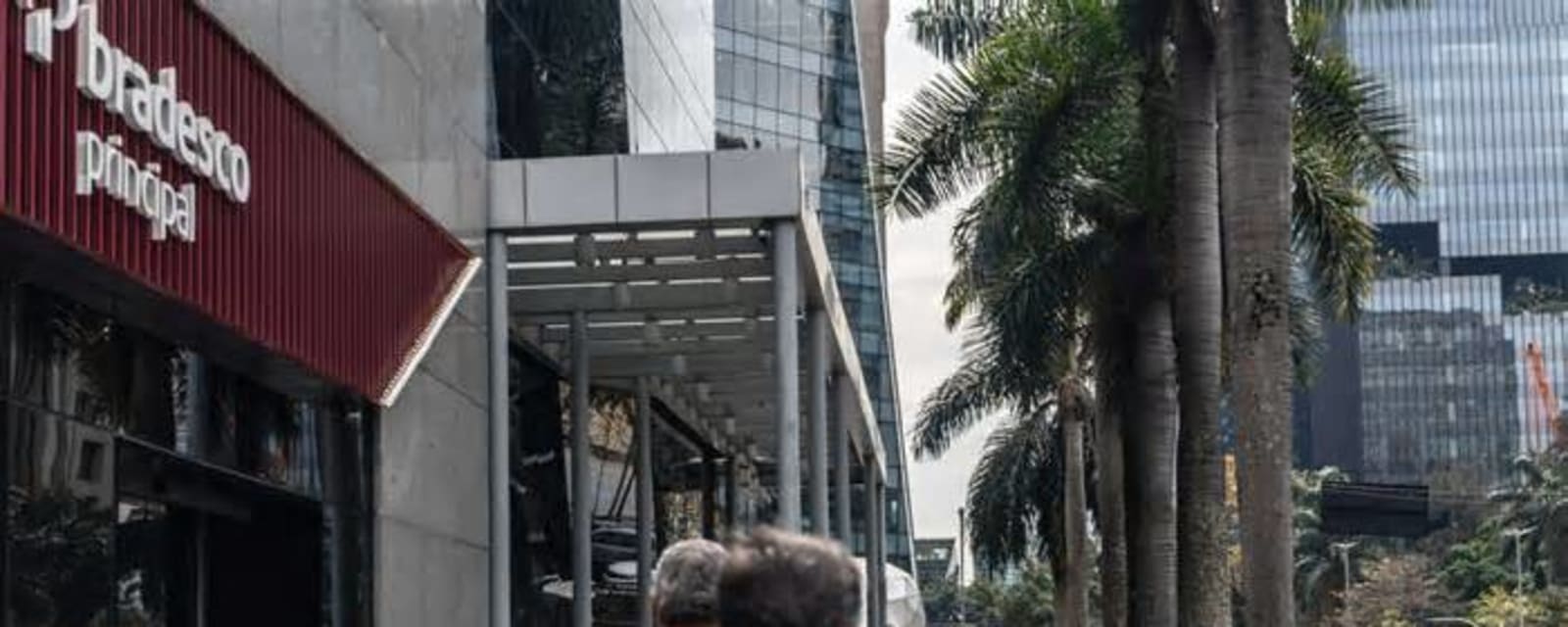
Brazil's alternative asset management landscape is undergoing a significant transformation as hedge-fund industry conditions deteriorate, prompting top-tier managers to seek refuge within traditional banking institutions. Arminio Fraga, one of Brazil's most respected hedge-fund investors, announced earlier in August 2026 that he was transitioning his fund operations to the country's fourth-largest bank, marking a notable departure from the independent hedge-fund model that has characterized his career.
The move reflects mounting pressures on Brazil's hedge-fund ecosystem, where double-digit economic headwinds and volatile market conditions have compressed investor appetite for alternative strategies. Fund managers across the sector face a challenging environment characterized by reduced capital inflows, pressure on asset valuations, and intensifying competition for institutional allocations. The shift toward bank employment represents a pragmatic response to these industry-wide constraints, offering managers stable compensation structures and access to the capital and distribution networks that independent firms struggle to maintain during cyclical downturns.
Fraga's decision is emblematic of a broader talent migration within Brazilian asset management, where hedge-fund stars are increasingly being recruited by commercial banks seeking to enhance their alternative investment capabilities and compete for institutional mandates. This consolidation trend suggests that the independent hedge-fund model in Brazil faces structural challenges, with traditional banks positioned as the dominant platforms for managing alternative strategies going forward. The dynamic carries significant implications for institutional investors and family offices previously reliant on independent managers, as asset management increasingly concentrates within banking conglomerates with greater stability but potentially different organizational cultures and investment philosophies.
Go deeper than the headline
Research every firm in this story, track the ones that matter and get the daily briefing — free for 7 days.