
Key Takeaways
- • Disney offered 13-year-old Jason Weaver $2 million to voice young Simba in *The Lion King*. His mother and manager, Marilyn "Kitty" Haywood, declined the lump sum and negotiated about $100,000 upfront plus royalties.
- • Weaver, now 47, says the royalty structure has since paid him more than the $2 million he turned down, and he has continued to receive payments more than three decades later.
- • Haywood's decision rested on Disney's pattern of re-releasing classic films over decades, which suggested the film would generate long-term revenue.
- • Weaver's comments came from a 2019 VladTV interview that resurfaced on social media, where he called the royalty deal "one of the biggest" decisions of his career had his mother accepted the offer.
Summary
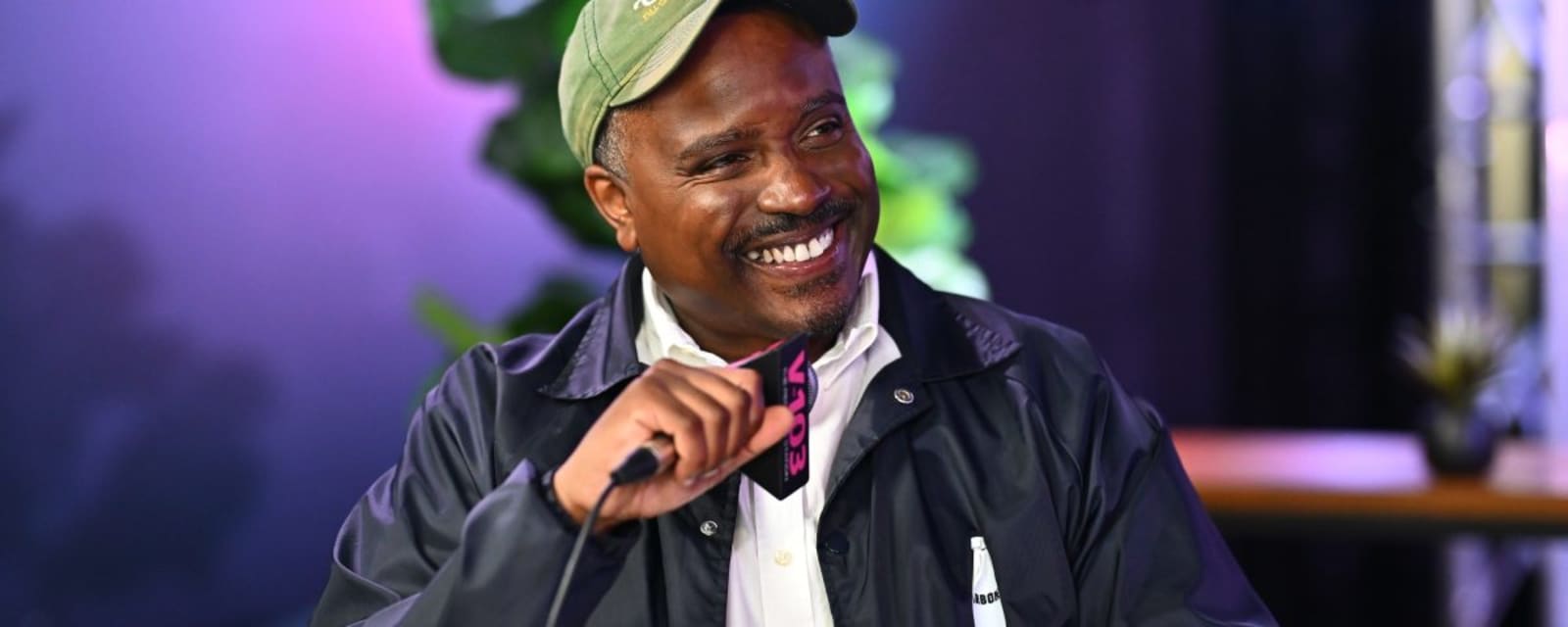
Disney offered 13-year-old Jason Weaver $2 million to sing as young Simba in *The Lion King*. His mother and manager, Marilyn "Kitty" Haywood, rejected the lump-sum offer. Instead, she negotiated for about $100,000 upfront and royalties. According to the article, the arrangement has since paid Weaver more than the $2 million he gave up, and he continues to receive payments. Weaver, now 47 and known for the song "I Just Can't Wait to Be King," has described the negotiation in past interviews. In a 2019 conversation with VladTV, which recently resurfaced on social media, he said the cash offer was "really just to take this money and go," adding that Disney "knew and forecasted that they were gonna make a s–t ton of money."
The offer was large for a Chicago family in the early 1990s. Weaver said his biggest earlier paycheck had been about $80,000 for playing a young Michael Jackson. He described the $2 million figure as significant for an average middle-class household in the city at that time.
Haywood's reasoning centered on the film's likely long-term earning power. She noted that Disney repeatedly re-released its classic animated features across decades, a practice that dates to the 1944 reissue of *Snow White and the Seven Dwarfs*. She also saw that *The Lion King* casting followed the commercial success of *Aladdin* and *Beauty and the Beast*. As the article quotes her reasoning, a one-time payment might be the last money Weaver ever received from the film, and royalties would keep paying as the film continued to earn over time.
Weaver credited that decision with shaping his financial future. "If she hadn't done that, that would have been one of the biggest mistakes of my career," he said in the 2019 interview. The article's central lesson is that a deferred, royalty-based structure can outperform a larger upfront payment when a property has durable, recurring revenue.
Go deeper than the headline
Research every firm in this story, track the ones that matter and get the daily briefing — free for 7 days.