
Key Takeaways
- • Harvard's $53 billion endowment has significantly underperformed peer institutions over the past two decades, eroding its historical position as the nation's premier university investment fund.
- • The endowment's performance deteriorated following major personnel changes and strategic shifts, including an increased allocation to private equity with mixed results.
- • Harvard's investment timing has been consistently poor, with the fund increasing risk exposure before major market downturns and reducing exposure immediately before market recoveries.
- • The endowment's declining returns have placed its status as the largest university endowment at risk, with other institutions gaining ground competitively.
- • Despite poor investment performance, compensation for Harvard's money managers has remained elevated, creating a disconnect between pay and outcomes.
Summary
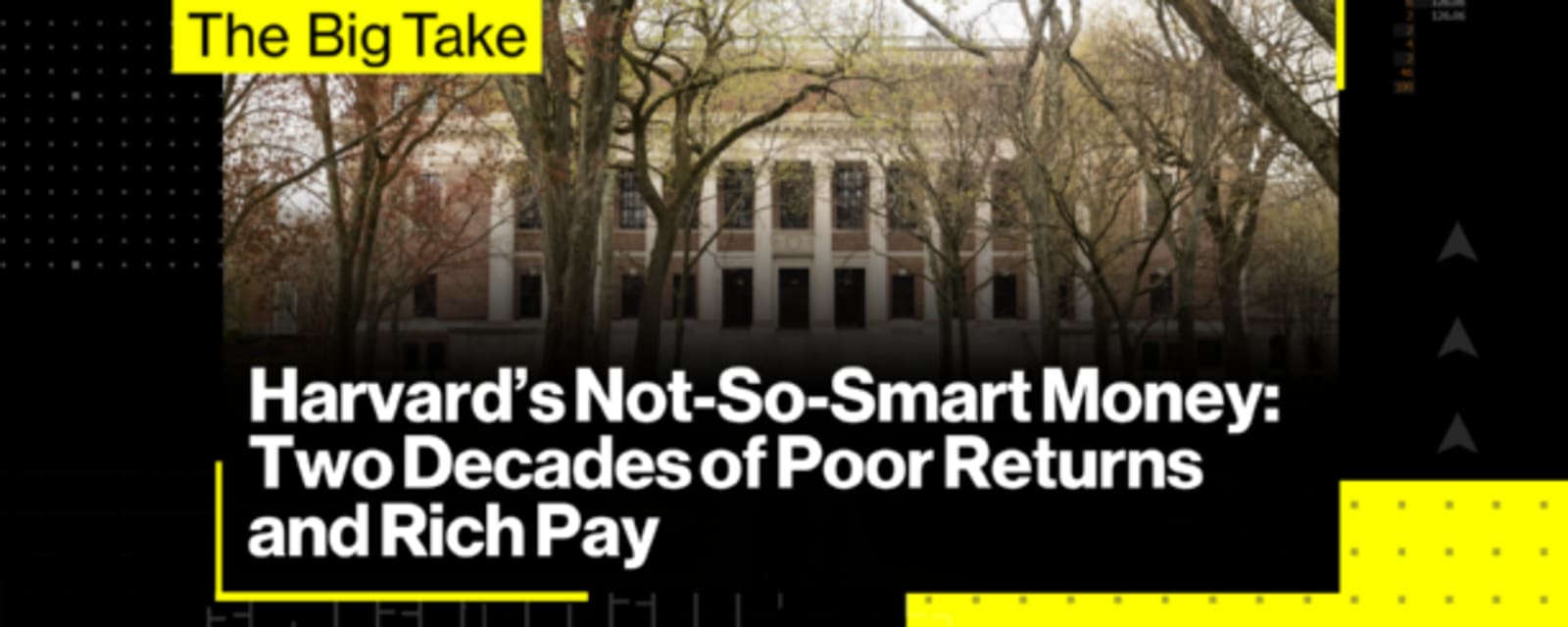
Harvard University's $53 billion endowment, once regarded as a gold standard of institutional investment management, has fallen significantly behind peer endowments over a two-decade period, according to reporting from Bloomberg. The fund's historical prominence as an investment leader has eroded, with sustained underperformance across multiple market cycles leaving it in a weakened competitive position relative to other major university endowments.
The deterioration in returns has coincided with major structural changes at the endowment. Harvard implemented significant personnel transitions and pivoted its investment strategy to include a renewed emphasis on private equity. However, these strategic shifts have failed to deliver the returns necessary to maintain the endowment's historical performance edge. The timing of these strategic moves has proven particularly costly, as the fund systematically increased its risk exposure before major market downturns and subsequently reduced exposure immediately before market recoveries—a pattern that has compounded losses across multiple cycles.
The performance challenges have created a notable divergence between results and compensation. Despite two decades of lagging returns relative to competitors, the endowment's investment professionals have maintained elevated compensation levels, raising governance questions about the alignment of pay with investment performance. This compensation structure stands in contrast to the fund's inability to generate alpha or maintain its historical performance leadership.
The sustained underperformance has begun to threaten Harvard's long-standing position as the largest endowment among U.S. universities. As rival institutions have achieved stronger returns, the competitive gap has widened, putting the endowment's crown status at material risk. The combination of poor timing decisions, leadership transitions, and strategic missteps has created a multi-year headwind that the current investment approach has not yet reversed.
Go deeper than the headline
Research every firm in this story, track the ones that matter and get the daily briefing — free for 7 days.