
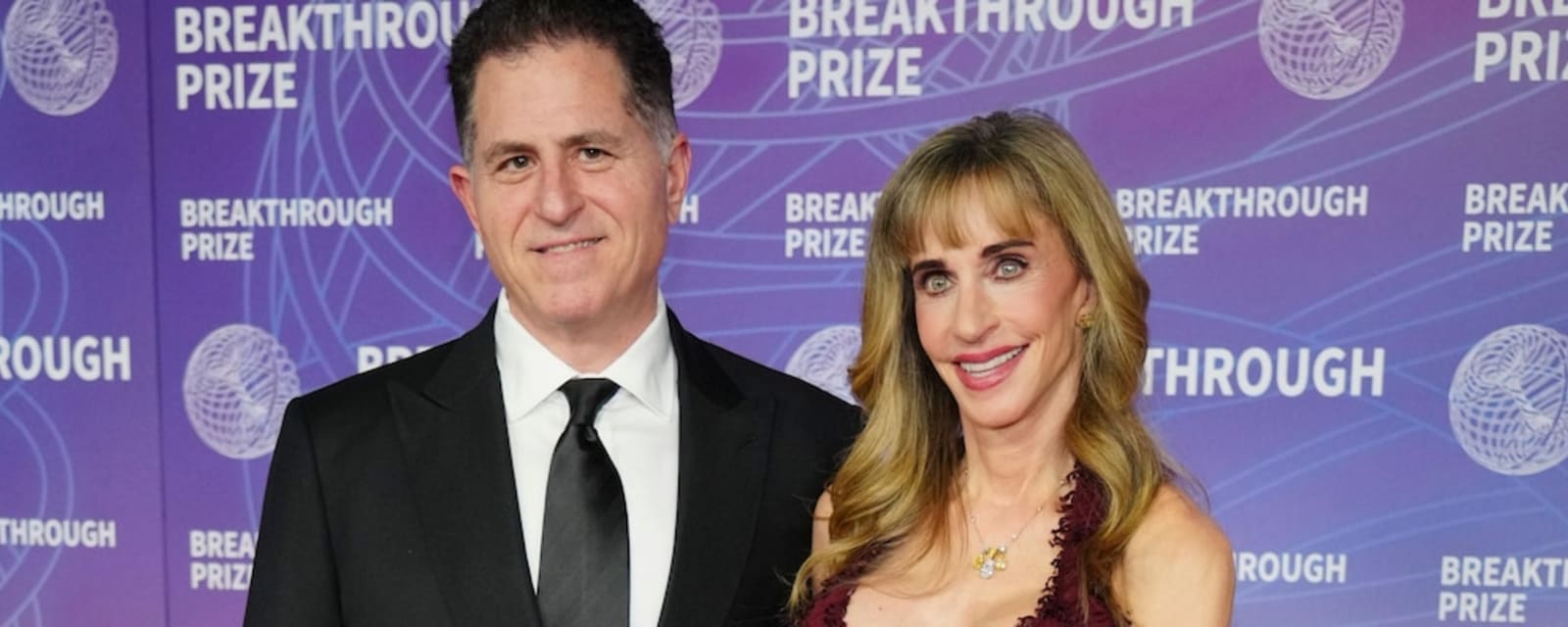
Key Takeaways
- • Michael and Susan Dell committed $750 million to establish an AI-native medical center at the University of Texas at Austin, projected to open in 2030 as part of a 300-plus-acre advanced research campus.
- • The UT Dell Medical Center represents the couple's first combined donation exceeding $1 billion to the University of Texas system, positioning them as the institution's largest donors after two decades of incremental support for computer science, medical education, and scholarships.
- • The hospital is positioned as the nation's first "AI-native" facility, designed to integrate artificial intelligence into diagnostics, patient care delivery, and medical research at scale.
- • The gift ranks among the largest philanthropic contributions to higher education in recent years, comparable to Phil Knight's $2 billion pledge to Oregon Health & Science University's cancer center and Michael Bloomberg's $1.8 billion Johns Hopkins medical tuition endowment.
- • The investment reflects Dell's strategic focus on Central Texas infrastructure expansion, driven by the region's population growth and his foundational connection to the University of Texas, where he founded Dell Technologies in 1984 as a freshman entrepreneur.
Summary
Billionaires Michael and Susan Dell have pledged $750 million toward the development of an AI-driven medical research facility at the University of Texas at Austin, marking a significant expansion of their philanthropic footprint in higher education and healthcare innovation. The gift, announced in April 2026, will fund the UT Dell Medical Center, positioned as the nation's first "AI-native" hospital, scheduled to open in 2030 as the centerpiece of a new 300-plus-acre advanced research campus. The university broke ground on the facility in fall 2026.
The donation elevates Michael and Susan Dell to the top tier of University of Texas benefactors, making them the system's first donors to collectively contribute more than $1 billion. This commitment builds on two decades of prior support directed toward computer science education, medical school development, and need-based student scholarships. For Michael Dell—founder and CEO of Dell Technologies with a Forbes-estimated net worth of approximately $170 billion—the investment represents a convergence of his entrepreneurial roots and long-term vision for regional healthcare infrastructure. Dell founded Dell Technologies in 1984 as a University of Texas pre-med student, launching the business from his dormitory room.
Michael Dell cited regional population dynamics and personal attachment to Central Texas as drivers of the initiative. "I was born in Texas. My wife was born in Texas. This is our home," he stated, emphasizing the importance of "building a stronger health system here, more innovation and helping to support the growth and stability of the region." The Austin metropolitan area's population has approximately doubled in recent decades, creating both opportunity and infrastructure demand.
The $750 million gift situates the Dells within an elite cohort of contemporary education philanthropists. Recent comparable commitments include Phil Knight's $2 billion pledge to Oregon Health & Science University's cancer center and Michael Bloomberg's $1.8 billion endowment covering tuition for Johns Hopkins University medical students. The UT Dell Medical Center's AI-native architecture is designed to advance diagnostic capabilities and patient care delivery through integrated artificial intelligence systems, representing a strategic positioning at the intersection of computational technology and healthcare delivery innovation.
Go deeper than the headline
Research every firm in this story, track the ones that matter and get the daily briefing — free for 7 days.