
Key Takeaways
- • A historic $124 trillion wealth transfer is projected to occur by 2048, with younger heirs actively pressuring older billionaire family members to accelerate philanthropic giving rather than preserve wealth for legacy purposes.
- • Katherine Lorenz, leader of The Giving Pledge's Next Gen group, confirms that younger generations are pushing parents to give more aggressively, take greater risks in grant-making, and place increased trust in community-led solutions.
- • A Milken Institute report on shifting philanthropy dynamics identifies growing tension between traditional long-term giving models and younger heirs' demands for faster wealth distribution, setting the stage for a "reckoning" in the philanthropic sector.
- • Ultra-wealth scrutiny has intensified inequality concerns, raising stakeholder expectations for immediate impact and challenging the decades-long philanthropic practice of legacy-building and multi-generational fund distribution.
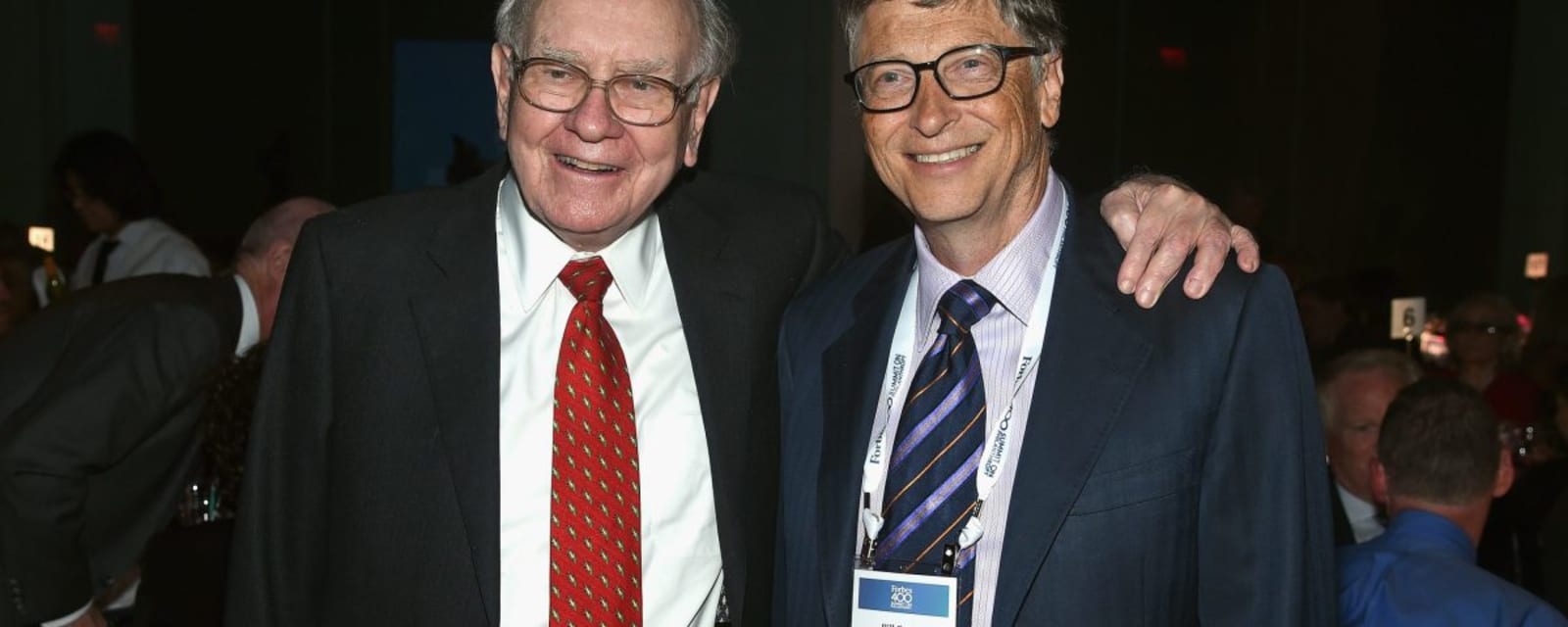
- • The Giving Pledge, launched in 2010 by Warren Buffett and Bill Gates, faces pressure to demonstrate accelerated commitment fulfillment as generational wealth transfer dynamics fundamentally reshape family governance and philanthropic strategy.
Summary
A historic $124 trillion wealth transfer is underway between now and 2048, catalyzing fundamental shifts in how ultra-high-net-worth families approach philanthropy and wealth distribution. According to a Milken Institute report on evolving philanthropic dynamics, this intergenerational transition is creating friction between traditional wealth-preservation models and younger heirs' demands for faster, more aggressive giving strategies.
Katherine Lorenz, leader of The Giving Pledge's Next Gen group—a network of heirs and family members with influence over philanthropic strategy—confirmed the emerging trend in conversations with Fortune. "I see more younger generation folks pushing on their parents to give more," Lorenz stated. Rather than accepting the historical philanthropic model of multi-decade wealth distribution, millennials and Gen X heirs are urging their parents and grandparents to accelerate capital deployment, embrace greater risk-taking in grantmaking, and cede more control to community-led initiatives.
Melissa Stevens, executive vice president of Milken Institute Strategic Philanthropy and co-author of the report, characterized the sector dynamic as entering a critical moment. "Wealth inequalities have never been greater than they are right now, and we have this sharper eye on the wealthy," Stevens said. "It has raised the stakes." The concentration of ultra-wealth alongside record inequality has intensified public scrutiny of billionaire families, compelling younger stakeholders to view accelerated giving as both a moral imperative and a legitimacy necessity.
The Giving Pledge, co-founded in 2010 by Warren Buffett and Bill Gates (later including Melinda French Gates), represents a foundational commitment to distribute significant wealth to philanthropic causes. However, the multi-decade gap between pledge and execution has become a focal point for generational critique. Younger heirs are now leveraging their emerging influence over family capital to challenge the legacy-focused, long-term giving frameworks that have dominated high-net-worth philanthropy for decades, signaling a potential watershed moment in how billionaire families steward and deploy capital across generations.
Go deeper than the headline
Research every firm in this story, track the ones that matter and get the daily briefing — free for 7 days.