
Key Takeaways
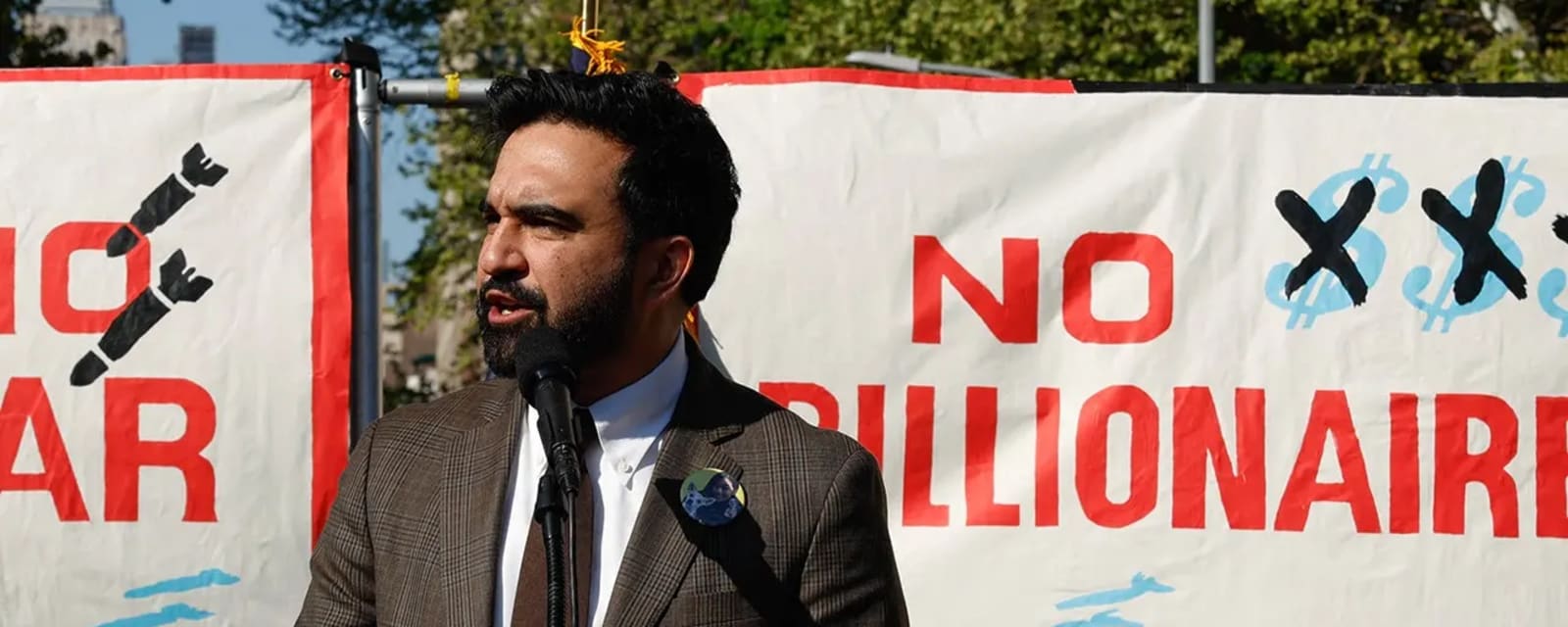
- • New York City Mayor Zohran Mamdani released a video on April 15 highlighting billionaire Ken Griffin's penthouse while announcing a new pied-à-terre tax, drawing criticism from The Washington Post editorial board and Griffin himself as an attack on wealth and success.
- • Citadel founder and CEO Ken Griffin characterized the video as "creepy and weird," arguing that New York City does not welcome success and that the mayor's implicit criticism was based solely on Griffin's ownership of high-value property rather than any legal or tax violation.
- • The Washington Post editorial board criticized Mamdani's fiscal strategy as rooted in "politics of envy," stating the approach targets successful individuals rather than addressing structural budget challenges and describing the campaign as "already a moral failure."
- • Mamdani defended the initiative by framing it as addressing a tax system that "rewards extreme wealth while working people are pushed to the brink," while simultaneously affirming his support for Griffin as a major employer in New York City.
- • The controversy highlights tension between municipal revenue-raising strategies targeting high-net-worth residents and criticism from prominent business figures and editorial institutions regarding the ethical and political implications of such campaigns.
Summary
New York City Mayor Zohran Mamdani faced significant backlash following the release of a video on April 15 that featured billionaire Ken Griffin's residential property while announcing a proposed pied-à-terre tax. The initiative, designed to generate revenue for city government expansion, drew sharp criticism from both Griffin and editorial institutions, centering on the appropriateness and framing of the campaign.
Citadel founder and CEO Ken Griffin publicly responded to the video, describing it as "creepy and weird" and characterizing it as a political attack on personal success. Griffin stated that New York City does not welcome success, emphasizing that his ownership of a penthouse apartment constitutes no legal or tax violation. The Washington Post editorial board supported this characterization, noting that "the mayor didn't accuse Griffin of violating any laws or even dodging taxes," and argued that the video constituted an "unethical" attack predicated solely on Griffin's wealth rather than wrongdoing.
The Post's editorial analysis framed Mamdani's broader fiscal strategy as rooted in "politics of envy," suggesting that the approach represents a "fiscal failure" and "moral failure" in addressing the city's budgetary challenges. The characterization positions the mayor's revenue-raising campaign as philosophically misaligned with market-oriented governance rather than as a legitimate tax policy adjustment.
Mamdani defended his position by articulating a systemic argument: that the current tax structure "rewards extreme wealth while working people are pushed to the brink." Notably, the mayor also acknowledged Griffin's economic contributions, stating he wants "all New Yorkers to succeed," including Griffin, and recognizing Griffin as a major employer in the city. This framing suggests Mamdani sought to distinguish between criticism of wealth concentration and animus toward successful individuals or businesses.
The controversy reflects broader tensions in major financial centers regarding municipal revenue strategies targeting high-net-worth individuals and their assets, particularly as cities face budget pressures and rising wealth inequality.
Go deeper than the headline
Research every firm in this story, track the ones that matter and get the daily briefing — free for 7 days.