
Key Takeaways
- • Managed futures strategies generate returns with minimal or zero correlation to traditional stocks and bonds, making them an effective diversification tool for institutional portfolios seeking non-traditional exposures.
- • Alternative investments reached $13 trillion in assets under management by 2021, nearly doubling from 2015 levels, reflecting sustained institutional demand for uncorrelated return sources.
- • Investor flows increasingly favor alternative and commodity exposures that offer diversification benefits independent of equity and fixed-income market movements.
- • Common uncorrelated asset classes include private equity, private credit, venture capital, real estate, precious metals, and collectibles, each offering distinct risk-return profiles outside traditional markets.
- • Managed futures strategies function as portfolio insurance during market stress in equities, though this defensive benefit carries associated costs that investors must evaluate.
Summary
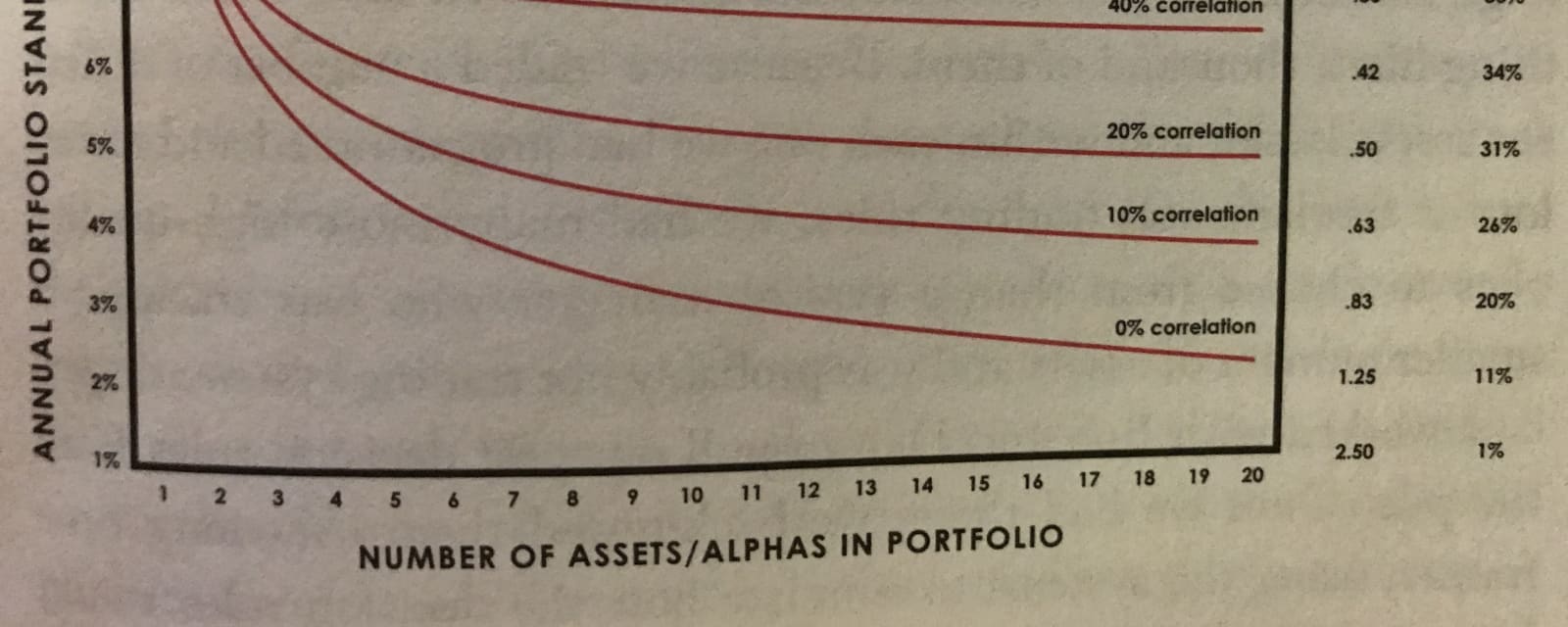
The institutional investment community continues to prioritize diversification through uncorrelated return strategies as a core portfolio construction principle. Managed futures represent a prominent vehicle within this framework, generating returns that exhibit little to no correlation with traditional equity and bond markets. This characteristic addresses a fundamental challenge in portfolio management: the tendency for conventional assets to move together during market dislocations, limiting the protective benefits of traditional diversification.
The alternative investment sector has experienced substantial growth reflecting this strategic shift. Alternative investments reached $13 trillion in assets under management by 2021, nearly doubling from approximately $6.5 trillion in 2015. This expansion underscores sustained institutional appetite for return sources decoupled from public market cycles. BlackRock's 2025 Fall Investment Directions research indicates that capital flows have continued to favor exposures offering uncorrelated returns, with alternative and commodity allocations expanding relative to traditional assets.
Beyond managed futures, the universe of uncorrelated strategies encompasses multiple asset classes. Private equity, private credit, venture capital, real estate, precious metals, and collectibles each offer return profiles with low or negligible correlation to public stocks and bonds. This diversification of uncorrelated sources allows institutional investors—including family offices, university endowments, and hedge funds—to construct portfolios with reduced systematic risk and improved risk-adjusted returns across market cycles.
The trade-off inherent in managed futures and similar strategies merits institutional consideration. While these approaches provide insurance-like protection during equity market stress, this defensive positioning carries explicit and implicit costs. Investors must assess whether the diversification benefits justify the fee structures and potential drag during strong equity bull markets when uncorrelated strategies may underperform traditional allocations.
Go deeper than the headline
Research every firm in this story, track the ones that matter and get the daily briefing — free for 7 days.