
Key Takeaways
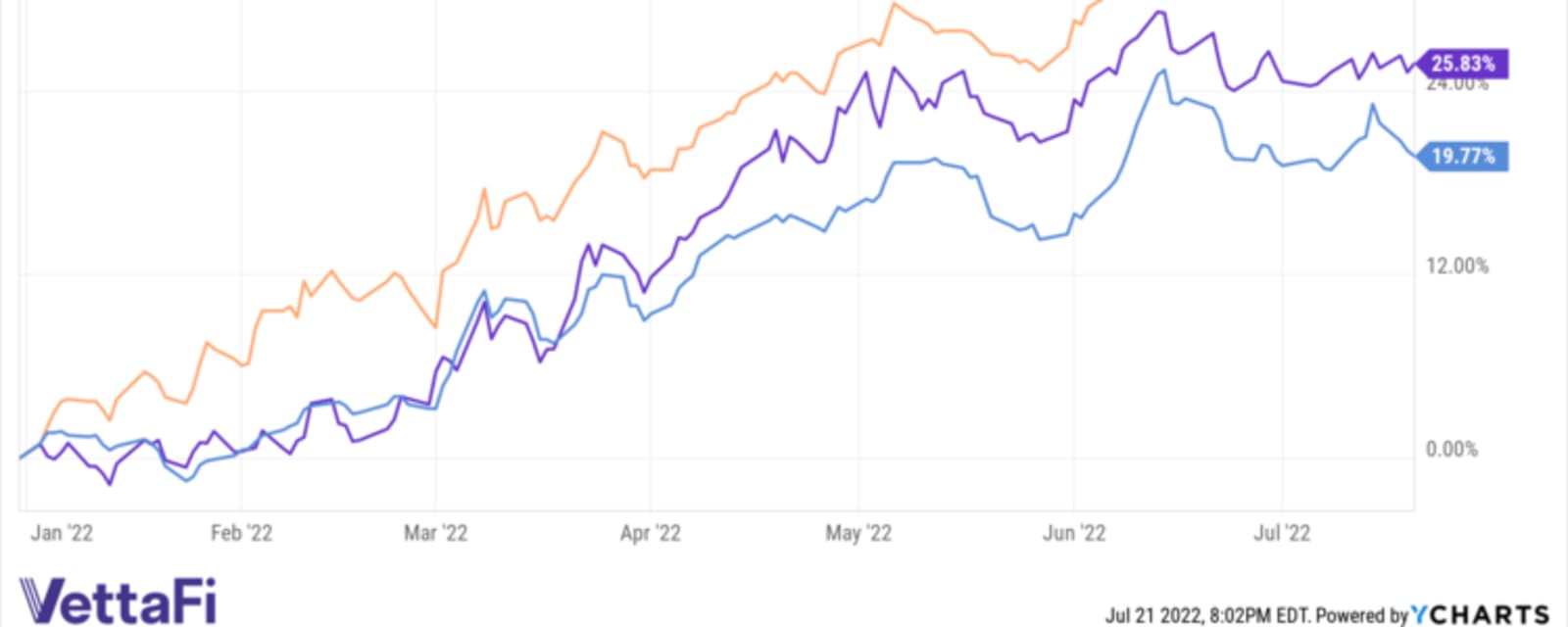
- • DBMF delivered 26.99% returns as of July 20, 2022, capturing significant crisis alpha during a period when traditional equities and bonds faced headwinds, while accumulating over $300 million in year-to-date flows.
- • Cost efficiency is DBMF's structural advantage: the ETF charges 0.85% in management fees plus 10 bps in other expenses, materially undercutting mutual fund alternatives like AQR's AQMIX, which carries a 1.25% net expense ratio and requires a $5 million minimum investment.
- • DBMF employs a CTA-replicating strategy using long and short positions across derivatives—primarily futures and forward contracts spanning equities, fixed income, currencies, and commodities—designed to maintain 8–10% annual volatility under normal market conditions.
- • Structural accessibility favors the ETF format: DBMF operates as a liquid, platform-independent vehicle with lower barriers to entry, whereas comparable managed futures mutual funds like AQMIX are often platform-dependent and restricted to institutional share classes with substantial minimums.
- • DBMF seeks to replicate the performance of the 20 largest CTA hedge funds while eliminating single-manager risk, positioning managed futures as an accessible liquid alternative for portfolios seeking non-correlated returns to traditional asset classes.
Summary
The iMGP DBi Managed Futures Strategy ETF (DBMF) has emerged as a cost-effective vehicle for accessing managed futures strategies, a liquid alternatives approach historically dominated by hedge funds and high-minimum mutual funds. As of July 20, 2022, DBMF delivered returns of 26.99% year-to-date while attracting over $300 million in flows, demonstrating institutional and retail demand for strategies offering crisis alpha during periods when bonds and equities move in tandem.
DBMF is an actively managed ETF that constructs exposure through long and short derivative positions—predominantly futures and forward contracts—across domestic equities, fixed income, currencies, and commodities via a Cayman Islands subsidiary structure. The fund takes long positions in derivatives anticipated to appreciate and short positions in those expected to decline, effectively replicating the strategy profile of the 20 largest commodity trading advisor (CTA) hedge funds. Under normal market conditions, the fund maintains a volatility target of 8–10% annually, aligning with institutional risk parameters for alternative strategies.
Cost structure represents a significant competitive advantage for DBMF relative to mutual fund alternatives. The ETF charges 0.85% in management fees and an additional 10 basis points in other prospectus expenses, totaling 0.95% net. This stands in stark contrast to AQR's AQR Managed Futures Strategy Fund (AQMIX), the institutional-grade mutual fund equivalent, which carries a 1.25% net expense ratio while imposing a $5 million minimum investment requirement and remaining subject to platform dependencies. For institutional investors seeking managed futures exposure without such constraints, DBMF's liquidity and accessibility through standard brokerage platforms represent meaningful structural advantages.
The liquidity and democratization offered by the ETF wrapper address persistent frictions in alternative asset allocation. Unlike mutual funds that often require platform-specific access and substantial minimums, DBMF trades continuously, enabling seamless portfolio integration and tactical adjustments. This positioning reflects a broader shift in alternatives distribution, where fee compression and accessibility have become competitive necessities as institutional capital increasingly demands both performance and operational efficiency in liquid strategies.
Go deeper than the headline
Research every firm in this story, track the ones that matter and get the daily briefing — free for 7 days.