
Key Takeaways
- • Managed futures assets under management grew 8.4x in 14 years, expanding from $37.9 billion in 2000 to $316.8 billion in 2014, reflecting institutional adoption of the strategy as a portfolio diversifier.
- • Commodities Trading Advisers (CTAs)—National Futures Association-registered money managers—employ systematic, computerized trading strategies that eliminate human discretion and apply strict risk management to leveraged futures positions across global markets.
- • Academic evidence from 1983 showed managed futures reduce portfolio variance when combined with stocks and bonds at every level of expected return, a finding validated empirically during the 2008 financial crisis when traditional diversification failed.
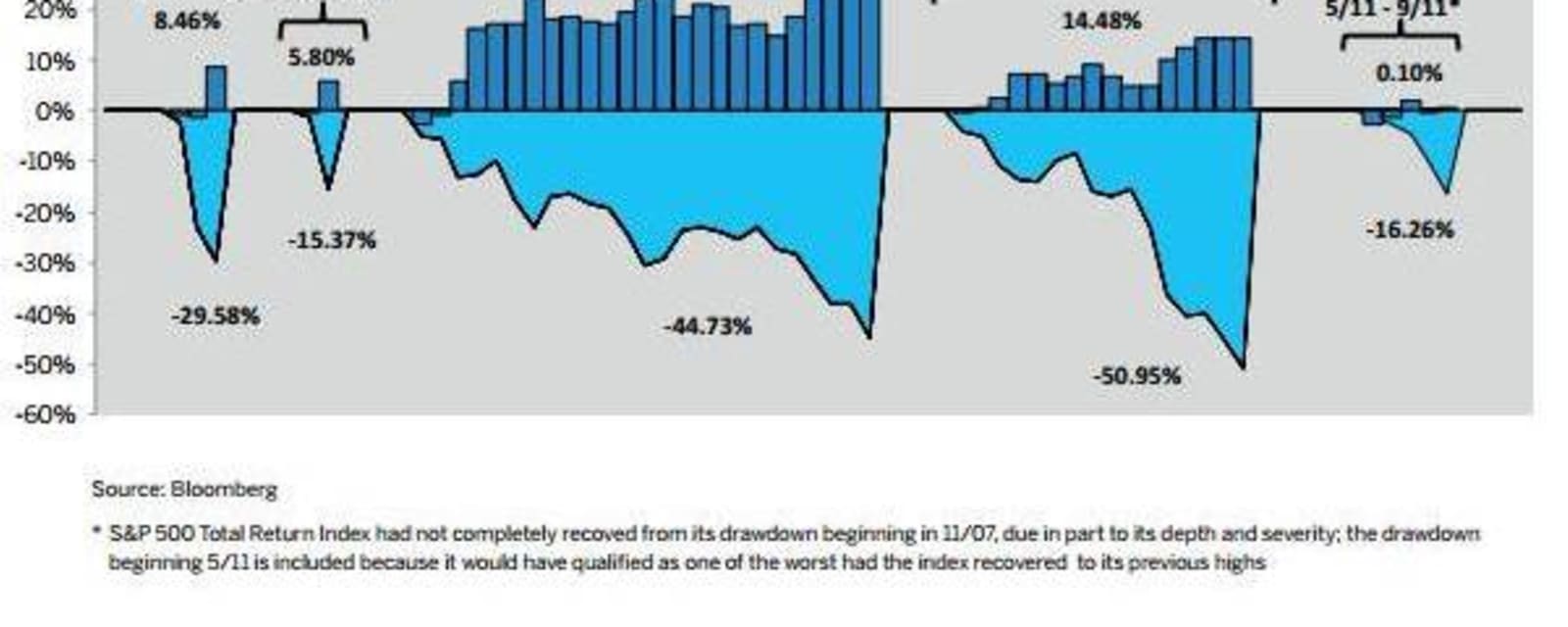
- • The 2008 equity crash exposed critical portfolio weaknesses: supposedly diversified holdings offered no risk reduction, liquid assets became illiquid, and simple portfolios proved structurally complex—problems addressable through managed futures inclusion.
- • Managed futures strategies offer four core benefits: risk reduction, simplicity, liquidity, and transparency, with portfolios ranging from broad diversification across commodities, currencies, and financial indices to narrow sector-specific focus.
Summary
The managed futures industry has emerged as a significant alternative investment class offering institutional and high-net-worth investors a mechanism to address fundamental portfolio construction failures exposed during the 2008 financial crisis. According to BarclayHedge data cited in the primary source, assets under management in managed futures strategies grew from $37.9 billion in 2000 to $316.8 billion by 2014, representing an eightfold expansion driven by renewed focus on diversification and risk management.
Managed futures strategies are implemented through Commodities Trading Advisers (CTAs)—money managers registered with the National Futures Association who trade portfolios across global futures markets. The structure varies by mandate: some CTAs offer broadly diversified exposure across commodities, currencies, and financial indices, while others employ narrow, sector-specific strategies such as agricultural or currency-focused trading. Critically, the majority of CTA portfolios operate on a systematic basis, relying on computerized rule sets that enforce discipline by excluding human interpretation. Given that futures contracts are inherently leveraged instruments, CTAs employ tight money management protocols to control risk exposure.
The strategic case for managed futures rests on empirical academic research and real-world portfolio performance during market stress. Harvard Professor Dr. John Lintner demonstrated in 1983 that portfolios combining stocks and bonds with managed futures exhibited substantially lower variance at every level of expected return compared to traditional two-asset allocations. This finding, though documented decades earlier, gained institutional credibility only after 2008, when the theory proved operational. The crisis revealed that diversified portfolios failed to deliver expected risk reduction, that marketed liquidity evaporated under stress, and that ostensibly simple allocations concealed structural complexity. Managed futures addressed these failures through four core attributes: documented risk reduction through non-correlated return streams, simplified portfolio composition, maintained liquidity during market dislocations, and transparent, rules-based execution free from discretionary decision-making.
Go deeper than the headline
Research every firm in this story, track the ones that matter and get the daily briefing — free for 7 days.