
Key Takeaways
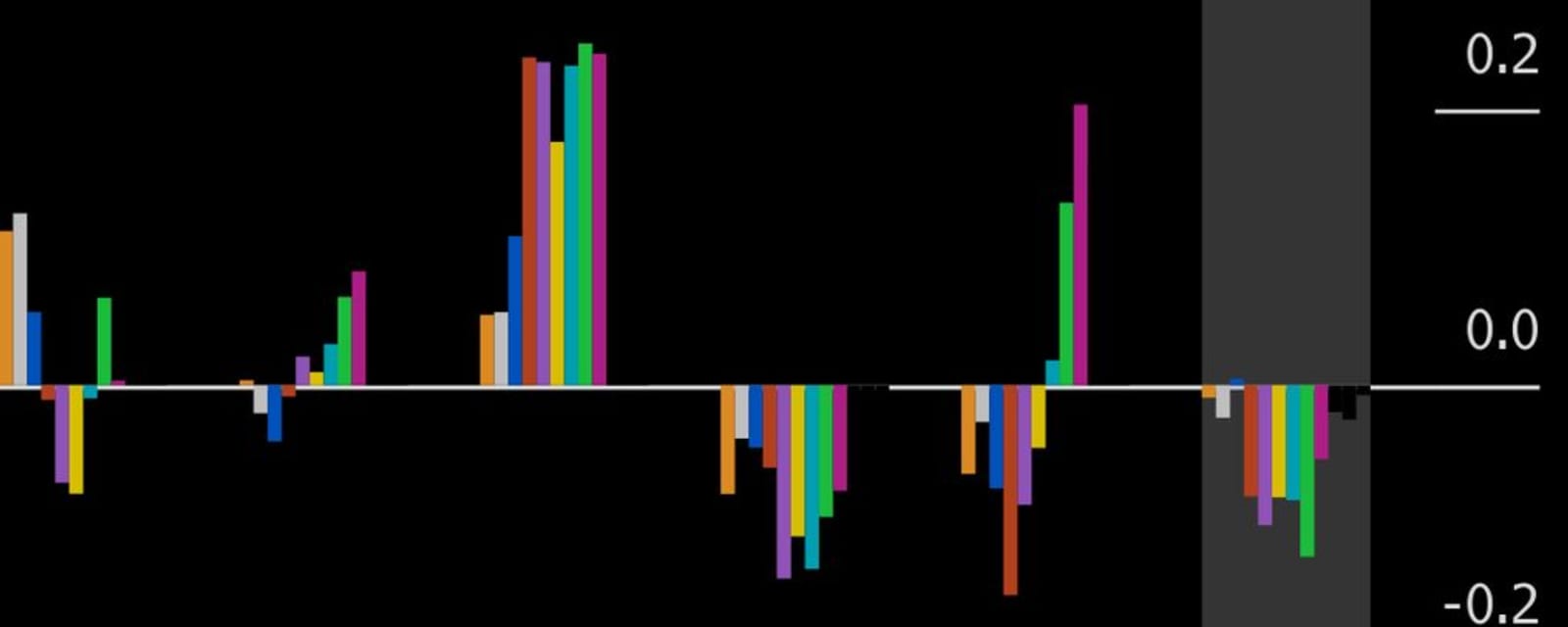
- • Trend-following funds opened 2026 with a sharp rebound, with the Societe Generale index tracking major trend-following strategies climbing nearly 4% in the opening weeks—the second-strongest start on record since 2000, driven by rallies in metals, yen weakness, and resilient global equities.
- • Recent market volatility, including a Tuesday selloff triggered by US-Europe tensions over Greenland and Japanese bond stress that rapidly reversed following President Trump's deal framework signal, exemplifies the whipsaw risk momentum strategies face in modern markets.
- • Trend-following strategies underperformed a basic 60/40 stock-bond portfolio by double digits for three consecutive years—an unprecedented streak in the Societe Generale index's two-decade history—raising structural questions about the viability of momentum-driven approaches in current market conditions.
- • Industry participants, including Andrew Beer of Dynamic Beta Investments (which manages the largest managed futures ETF), acknowledge growing debate over how to evolve momentum portfolios to capture sustained trends while mitigating sharp reversals, balancing edge preservation against model degradation.
Summary
Trend-following funds are beginning 2026 with renewed vigor after a prolonged period of underperformance. According to Bloomberg News, the Societe Generale index tracking major trend-following funds has climbed approximately 4% in the opening weeks of the year, marking the second-strongest start in the index's 26-year history dating back to 2000. This rebound follows a challenging 2025, during which these systematically-driven strategies experienced multiple false starts and faced intensifying scrutiny from allocators.
The recent performance reflects a market environment primed for momentum-driven strategies. A rally in precious metals, sustained weakness in the Japanese yen, and resilient global equity performance have provided the sustained directional price moves that trend-following algorithms require to generate returns. However, the fragility of these trends became apparent on January 21, when a sharp market selloff triggered by geopolitical tension over Greenland and stress in Japanese bond markets reversed course within hours following President Trump's signaling of a potential deal framework. This type of rapid whipsaw—characteristic of the Trump-era volatility in tariff-driven markets—represents precisely the challenge that has undermined momentum strategies in recent years.
The broader context reveals structural challenges in the trend-following space. For three consecutive years preceding 2026, the Societe Generale index trailed a basic stock-bond portfolio by double-digit margins—a performance drought unprecedented in the gauge's 26-year history. This extended underperformance has sparked industry-wide debate about model evolution and sustainability. Andrew Beer, managing member of Dynamic Beta Investments and operator of the largest managed futures ETF, framed the tension candidly: momentum managers must identify "a number of very strong trends" capable of delivering meaningful annual returns while avoiding the sharp reversals that plagued 2025. The core challenge remains unresolved—how to preserve the edge that once defined the strategy while adapting to modern market microstructure and elevated volatility regimes.
The 2026 rebound signals renewed opportunity, yet industry participants recognize that early-year performance cannot mask fundamental questions about whether momentum strategies can maintain relevance in markets characterized by rapid regime shifts and compressed holding periods.
Go deeper than the headline
Research every firm in this story, track the ones that matter and get the daily briefing — free for 7 days.