
Key Takeaways
- • Bodycote, a FTSE 250 industrial firm and world's largest heat treatment and specialist metallurgical technologies provider, is being acquired by US private equity firm Veritas for £1.65bn (940p per share) or £1.85bn including debt, with European rival CVC potentially bidding higher.
- • The valuation appears modest by historical standards—only 25% above pre-bid levels with implied earnings multiples in line with Bodycote's 10-year average, according to RBC analysts, despite the company's strong operational trajectory.
- • Bodycote's board recommended the sale despite significant operational momentum: the company adopted an "optimise, perform, grow" strategy in late 2024 targeting 20%-plus operating margins and 15-20% return on capital employed, while maintaining a 38-year dividend growth record and executing £120m in share buybacks.
- • The deal exemplifies a broader pattern of foreign private equity acquiring UK-listed industrial firms, creating tension with the government's stated "reindustrialisation" agenda as increasing portions of UK industrial capacity shift to overseas ownership.
Summary
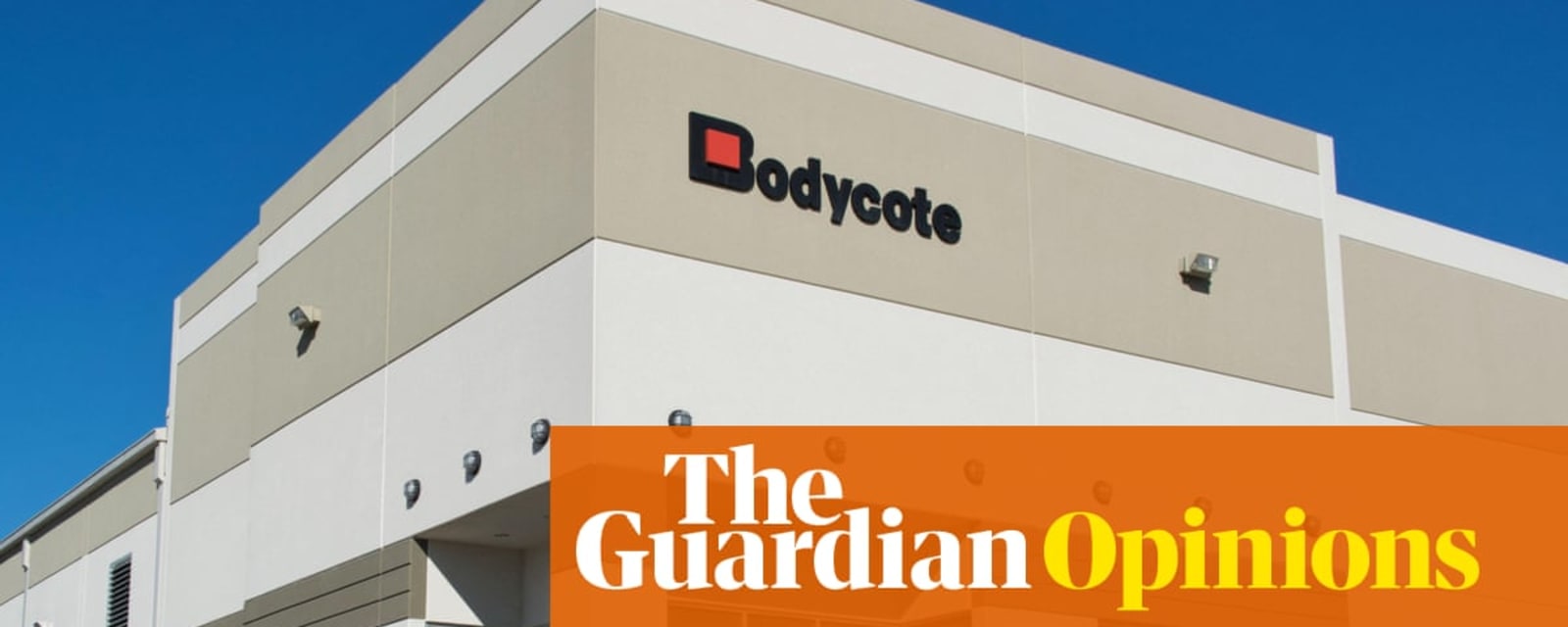
Bodycote, the Macclesfield-based specialist in heat treatment and metallurgical technologies for aerospace and defence applications, has agreed to be acquired by US private equity firm Veritas for £1.65bn at 940p per share, or £1.85bn including net debt. The transaction represents the latest in a series of foreign private equity acquisitions of UK-listed industrial companies, a pattern that contrasts sharply with Westminster's stated commitment to reindustrialisation.
The valuation, however, has drawn scrutiny from financial analysts. RBC noted the offer appears "not particularly generous on a take-out basis," representing only a 25% premium to pre-bid trading levels. The implied earnings multiple sits merely in line with Bodycote's 10-year historical average, suggesting limited upside recognition for investors. Market pricing reflected the possibility of a competitive process, with shares closing at 955p, above the Veritas offer, indicating expectations that rival bidder CVC may submit a higher proposal.
Bodycote's board recommendation appears counterintuitive given the company's operational performance and strategic positioning. The directors highlighted strong execution of the company's late-2024 "optimise, perform, grow" strategy, which targets 20%-plus operating margins and 15-20% returns on capital employed through the business cycle. The company has simultaneously maintained a 38-year track record of growing or maintaining dividends while deploying £120m in share buybacks, demonstrating robust cash generation and financial health.
The transaction underscores a structural challenge for UK-listed industrial companies: despite improving operational trajectories and clear strategic momentum toward higher-margin aerospace and defence end-markets, ownership remains vulnerable to acquisition by foreign capital at valuations that do not reflect long-term value creation potential. The regularity of such transactions suggests UK industrial capacity increasingly will be owned and controlled by foreign financial sponsors, a development that sits uneasily with policy objectives around domestic industrial revival.
Go deeper than the headline
Research every firm in this story, track the ones that matter and get the daily briefing — free for 7 days.