
Key Takeaways
- • The Big 12 Conference closed a five-year private capital partnership with RedBird Capital Partners and Weatherford Capital, providing an immediate $12.5 million capital infusion to the conference with an additional $12.5 million available within one year.
- • Individual Big 12 member schools gain access to up to $30 million each in credit facilities at borrowing rates believed to be below 10%, sourced from a $500 million capital pool—the first conference-level private capital deal of its kind in college sports.
- • BYU Cougars rejected participation in the private capital offer, citing institutional preference against private equity involvement, despite the deal's structure explicitly excluding equity stakes, ownership positions, or operational control for RedBird Capital.
- • The partnership targets commercial revenue generation through sponsorships and investment opportunities, positioning the Big 12 to compete financially during ongoing media rights negotiations; the deal includes no governance rights for outside investors.
- • Big 12 Commissioner Brett Yormark secured board approval from all 16 university presidents and chancellors, with financial advisory firm Moelis & Co. facilitating the transaction structure.
Summary
The Big 12 Conference finalized a landmark capital partnership with RedBird Capital Partners and Weatherford Capital, marking the first conference-level private capital arrangement in college sports. The five-year agreement was formally approved by the Big 12 board of presidents and chancellors and closed following initial public disclosure in December 2025. The structure delivers immediate liquidity of $12.5 million to the conference, with an additional $12.5 million available within twelve months, drawn from a $500 million total capital pool underwritten by the investor consortium.
The deal's architecture distinguishes it from traditional private equity arrangements by explicitly excluding equity stakes, revenue-sharing agreements, or operational governance for RedBird Capital or its partners. Individual member schools retain independent authority to access up to $30 million each in credit facilities at borrowing rates estimated below 10%, providing meaningful financial flexibility without diluting institutional control. This structure proved critical to board approval, as Big 12 presidents had previously rejected equity-based private equity proposals. Moelis & Co. served as financial advisor on the transaction.
RedBird Capital, an investment management firm overseeing $14 billion in assets with substantial sports investments including international soccer and Formula One operations, will collaborate with the Big 12 on commercial development initiatives targeting new revenue streams. Conference capital will fund revenue-generating projects including sponsorship expansion and selective investment opportunities. The partnership directly supports the Big 12's positioning ahead of critical media rights negotiations, addressing competitive financial pressures within the collegiate athletics landscape.
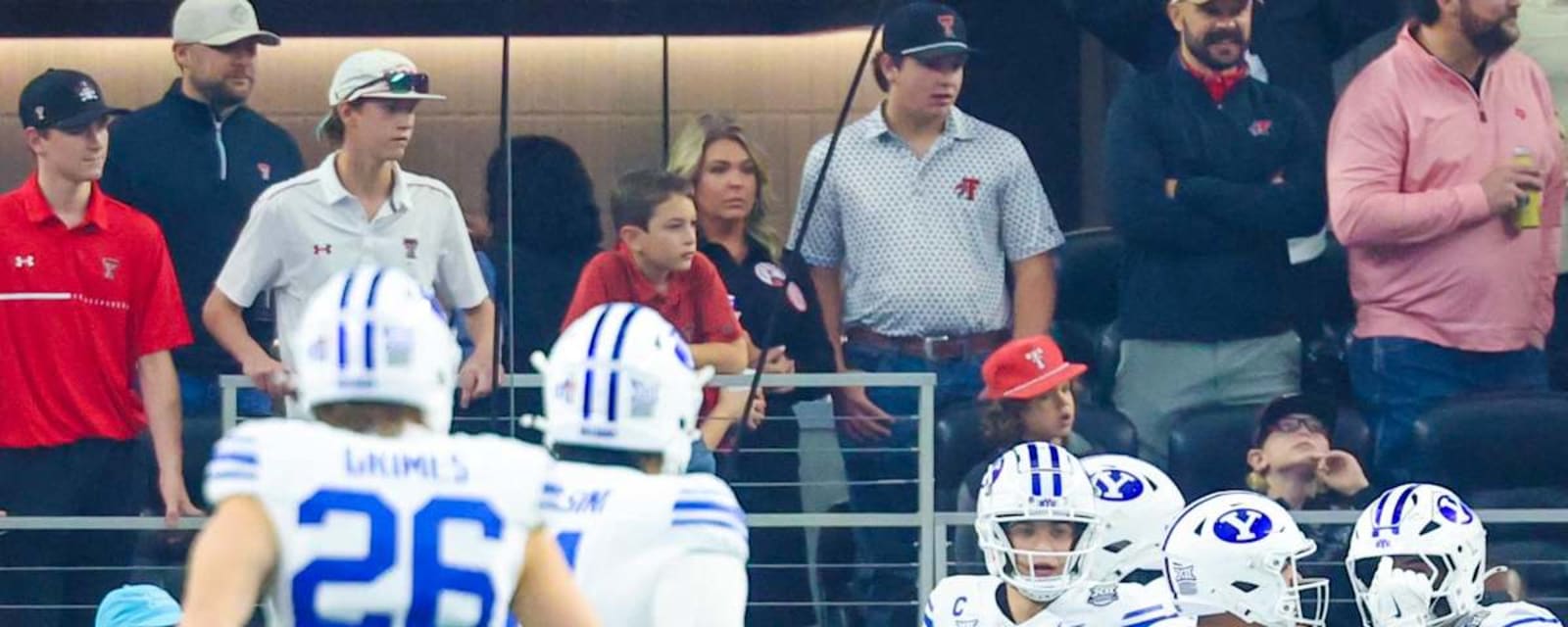
BYU Cougars, joining the Big 12 in 2024, notably declined participation in both the conference-level capital arrangement and individual school borrowing options, maintaining institutional policy against private equity involvement. Despite the non-equity structure, BYU leadership determined private capital partnerships misaligned with organizational strategy. This refusal reflects broader institutional positioning as the Cougars compete in their first full Big 12 season, having received $18 million in conference revenue distributions during the 2023-24 period.
Big 12 Commissioner Brett Yormark characterized the partnership as establishing "a strong bench" during uncertain competitive and financial conditions in collegiate sports. The deal reflects accelerating capital innovation within conferences as traditional broadcasting models face disruption, with other institutions including Utah exploring parallel private investment partnerships separately.
Go deeper than the headline
Research every firm in this story, track the ones that matter and get the daily briefing — free for 7 days.