
Key Takeaways
- • Mirae Asset's US real estate fund (Maps Frontier US Private Real Estate Trust No. 5) posted a loss of 70.2% as of its May 26, 2023 maturity date, with the flagship asset—1750 K Street Northwest in Washington, D.C.—valued at approximately 25% of its $115 million 2015 purchase price.
- • The fund's core holding, a 12-story office tower acquired in 2015, has been devastated by pandemic-era office market collapse, oversupply of commercial real estate, and sustained remote work trends that eroded occupancy and valuations.
- • Key institutional investors in the fund include a unit of Jones Lang LaSalle IP Inc., Shinhan Life Insurance Co. (which invested 24.8 billion won), and Korea Scientists & Engineers Mutual Aid Association (SEMA, which invested 8.5 billion won), with JLL and other creditors providing debt financing.
- • Mirae Asset extended the fund's maturity twice (2020 and 2022) in response to deteriorating valuations; the fund may now face termination with investor declaration of default, according to market sources.
- • The fund was structured with an original target of annualized returns exceeding 8%, reflecting 2015 investor appetite for US real estate exposure when Korean institutional capital was aggressively deployed overseas.
Summary
Mirae Asset Global Investments' US real estate fund has suffered severe losses totaling 70.2% as of May 26, 2023, coinciding with the fund's maturity date. The fund, formally named Mirae Asset Maps Frontier US Private Real Estate Trust No. 5, was established in 2015 and anchored by the acquisition of 1750 K Street Northwest, an office tower located blocks from the White House in Washington, D.C., for $115 million. The property's current valuation represents approximately 25% of its original purchase price, according to investment banking sources cited in the disclosure.
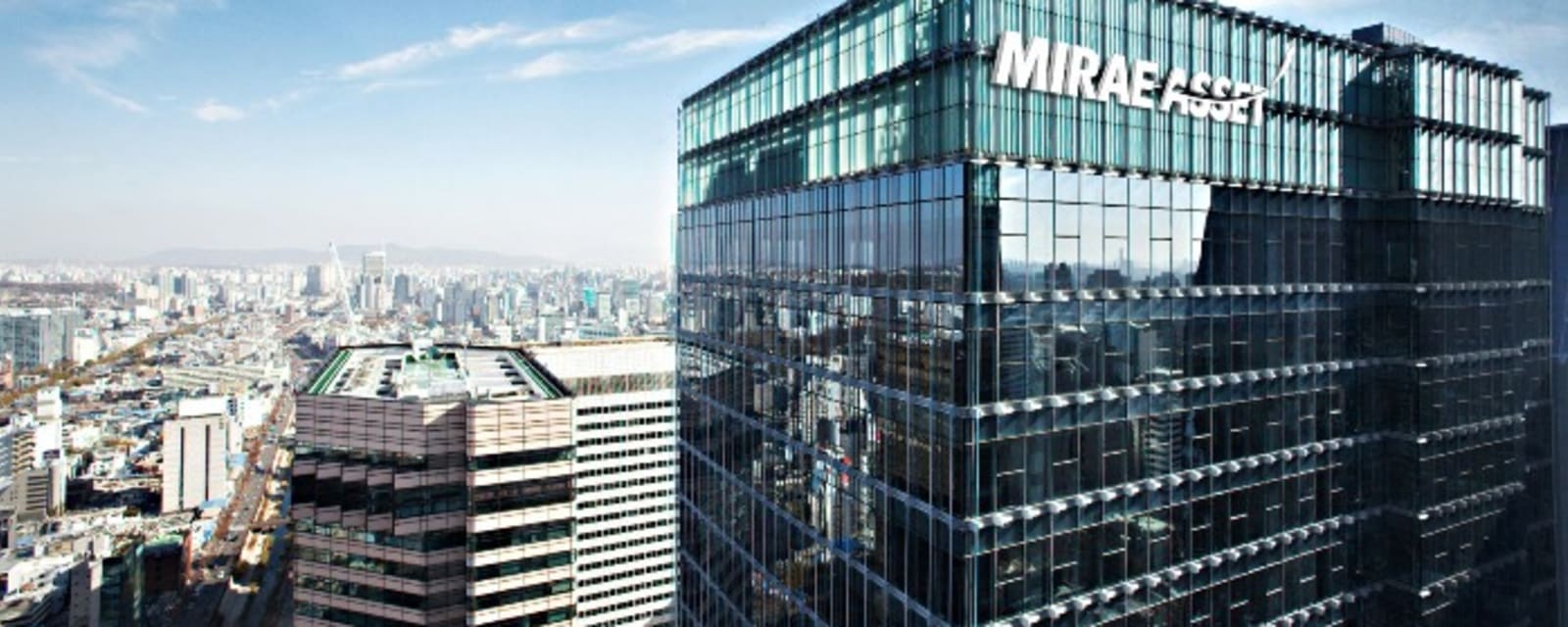
The 12-story office building with four underground levels and 165,604 square feet of total floor area has become emblematic of the broader collapse in US commercial real estate valuations. Built in 1970 and renovated in 2010, the asset was acquired during a period of aggressive capital deployment by Korean institutional investors seeking overseas real estate exposure. The fund's original investment thesis targeted annualized returns exceeding 8%, a projection that proved unrealistic given the subsequent pandemic-driven office market deterioration, oversupply of commercial properties, and structural shifts toward remote work arrangements.
The fund's investor base comprises sophisticated institutional capital. Shinhan Life Insurance Co. invested 24.8 billion won ($18.7 million) in equity, while Korea Scientists & Engineers Mutual Aid Association (SEMA) contributed 8.5 billion won. A unit of Jones Lang LaSalle IP Inc. also holds a stake in the vehicle, with JLL and other creditors providing debt financing for the original acquisition. Mirae Asset, seeking to preserve value amid deteriorating market conditions, extended the fund's maturity dates in both 2020 and 2022 rather than accept immediate realization of losses.
As of the maturity date, market insiders indicate the fund faces potential termination through investor declaration of default. The collapse of this vehicle underscores the structural challenges facing value-add office real estate strategies launched during the pre-pandemic cycle, particularly for offshore investors who lack operational control mechanisms to reposition assets or execute adaptive-use conversions. The outcome carries implications for Korean institutional investors' future appetite for US real estate commitments and broader asset allocation decisions within emerging market pension funds and insurance reserves.
Go deeper than the headline
Research every firm in this story, track the ones that matter and get the daily briefing — free for 7 days.