
Key Takeaways
- • Prologis projects data centers will represent 40% of its $4 billion to $5 billion in new development starts this year, a dramatic increase from 10% in the prior year, reflecting aggressive pivot toward AI infrastructure.
- • The company is exploring a new co-investment fund structure to tap institutional capital pools for data center development, leveraging its $104 billion in assets under management and Strategic Capital business.
- • Prologis has outlined a $25 billion push into data centers to support AI infrastructure, signaling a fundamental strategic expansion beyond its traditional logistics real estate focus.
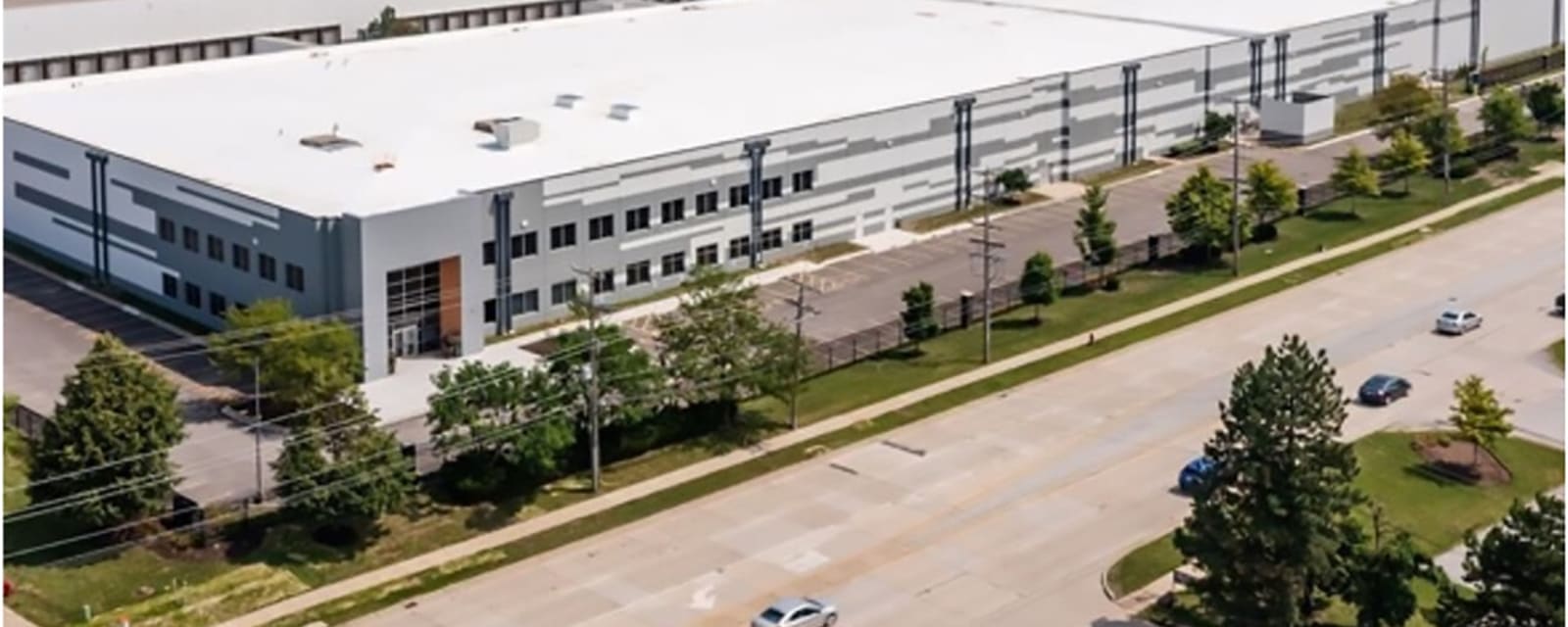
- • The company has demonstrated execution capability by converting a Chicago-area warehouse into a high-capacity, turnkey data center with 50 megawatts of available power, establishing operational proof of concept.
- • Data center margins are projected at 25%-50%, substantially higher than traditional logistics real estate, presenting significant upside to earnings and return on invested capital.
Summary
Prologis is executing a strategic pivot toward data center development, with the industrial real estate platform preparing to launch a new co-investment fund to access institutional capital for AI-driven infrastructure projects. Data centers are projected to account for 40% of the company's $4 billion to $5 billion in anticipated new development starts this year—a sharp acceleration from just 10% allocation in the prior year. This reallocation reflects broader market demand for compute capacity tied to artificial intelligence deployment.
The company has outlined a $25 billion expansion plan focused on data center development, underscoring the materiality of this strategic shift. Rather than funding this expansion entirely through its balance sheet, Prologis is exploring a co-investment fund structure that would allow it to tap its existing base of institutional investors and capital partners through its Strategic Capital business division, which currently manages $104 billion in assets under management. This capital-light approach enables Prologis to deploy capital more efficiently while aligning long-term interests with institutional investors seeking direct exposure to AI infrastructure plays.
Prologis has already demonstrated operational execution in this space. The company converted a Chicago-area warehouse into a high-capacity, turnkey data center equipped with 50 megawatts of available power, establishing a functional prototype of its data center conversion strategy. The margin profile for data center assets is substantially more attractive than traditional logistics warehousing, with projections ranging from 25% to 50%, compared to lower returns on conventional industrial real estate. This economic advantage, combined with secular demand tailwinds from AI infrastructure buildout, provides clear strategic rationale for the reallocation of development capital and investor focus.
The new fund structure aligns with broader institutional demand for alternative assets with exposure to secular technology trends while leveraging Prologis's existing platform, land portfolio, and operational infrastructure in logistics real estate. By positioning data centers as a core pillar of its business rather than a peripheral play, Prologis is signaling confidence in sustained AI-driven demand and positioning itself as a primary vehicle for institutional capital seeking real estate exposure to technology infrastructure.
Go deeper than the headline
Research every firm in this story, track the ones that matter and get the daily briefing — free for 7 days.