
Key Takeaways
- • Biossil Inc., founded in 2023 by Toronto entrepreneurs Anthony Mouchantaf and Dr. Alexander Mosa, has secured backing from Peter Thiel and OpenAI to repurpose failed pharmaceutical molecules using AI-driven algorithms, addressing a market gap where traditional AI drug discovery startups have yet to deliver approved therapies.
- • The company has acquired or licensed 10 molecules over three years, with two currently in advanced clinical trials and a target of securing conditional regulatory approval for three resuscitated drugs to reach market, potentially bypassing years of early-stage research and hundreds of millions in development costs.
- • Biossil's approach leverages OpenAI's large language models to identify viable candidates from the "pharmaceutical discard pile"—molecules that failed human trials at advanced stages—and has established partnerships with over 20 universities and research hospitals across Canada and the U.S.
- • The business model targets a structural inefficiency in drug development: while several well-funded biotech companies have pursued AI-generated molecules without market success, Biossil's strategy of licensing failed assets from existing patent holders reduces time-to-market and capital requirements compared to de novo drug discovery.
Summary
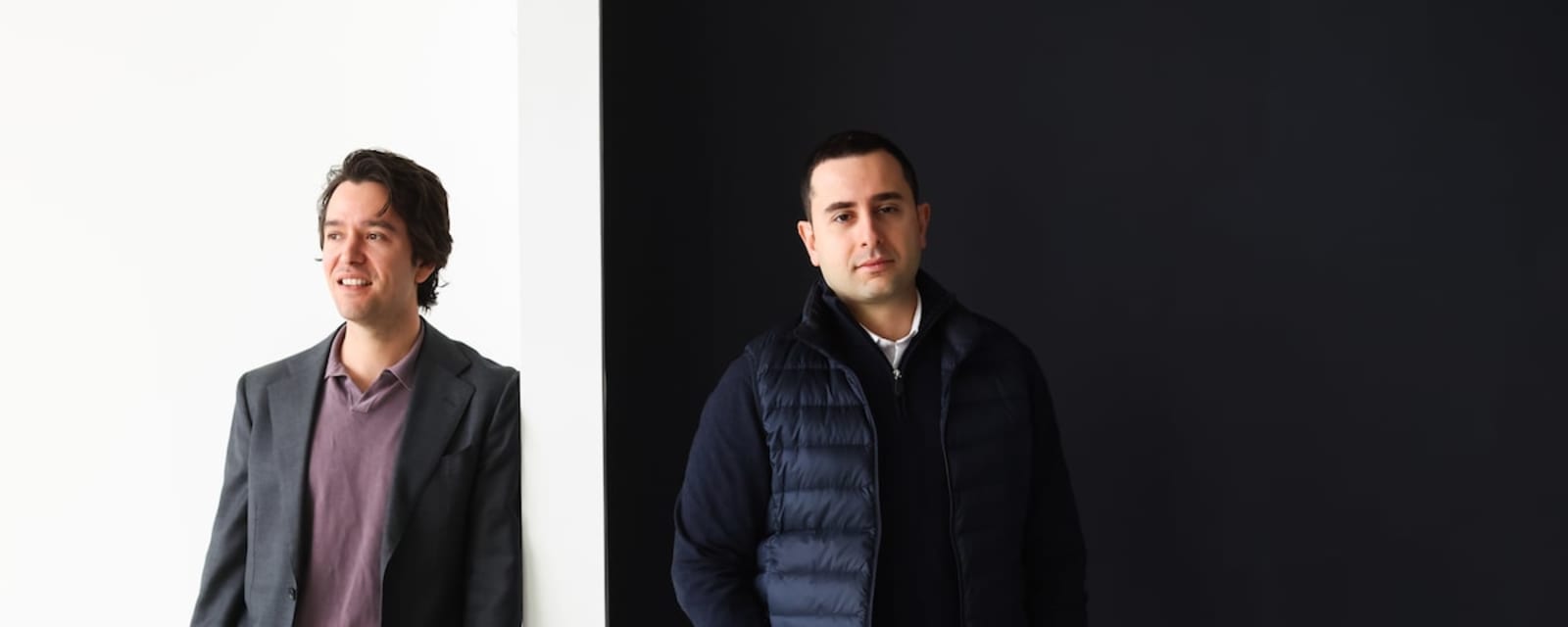
Biossil Inc., a Toronto-based startup operating until recently in stealth mode, is pursuing a pragmatic alternative to the well-publicized but commercially unproven approach of using artificial intelligence to create entirely new drug molecules. Founded in 2023 by Anthony Mouchantaf, a lawyer and former head of Royal Bank of Canada's venture capital strategy, and Dr. Alexander Mosa, a trained internal medicine specialist, the company has attracted backing from prominent venture investors including Peter Thiel and OpenAI.
The company's core thesis challenges the prevailing narrative in AI-driven drug discovery. While numerous well-capitalized biotechnology firms have invested heavily in AI platforms to design novel molecular compounds with blockbuster pharmaceutical potential, none have successfully brought such drugs to market as of April 2026. Biossil's differentiated strategy sidesteps this bottleneck by mining the repository of drug candidates that failed human trials at advanced clinical stages. Using OpenAI's large language models, the company identifies molecules with potential for repurposing or repositioning as therapies for different indications. Rather than conjuring molecules from computational models, Biossil acquires or licenses these rejected assets from their original patent holders, a capital-efficient path that foregoes years of early-stage research and hundreds of millions in development costs.
Over the past three years, Biossil has built a proprietary software platform and assembled a portfolio of 10 acquired or licensed molecules. Two candidates are currently progressing through advanced clinical trials, and the company targets conditional regulatory approval for three resuscitated drugs, according to an exclusive interview with co-founder Mouchantaf. The company has established clinical and research partnerships with more than 20 universities and research hospitals across Canada and the U.S., providing infrastructure for trial execution and validation.
This model represents a structural arbitrage opportunity within pharmaceutical development: large incumbents and smaller biotech firms often abandon compounds at advanced trial stages due to strategic shifts, capital constraints, or clinical results in their original indication that may not preclude efficacy in alternative therapeutic areas. By systematizing the identification and re-evaluation of these assets through machine learning, Biossil captures optionality that traditional pharma has already written off, potentially creating significant value while reducing execution risk relative to traditional de novo drug discovery.
Go deeper than the headline
Research every firm in this story, track the ones that matter and get the daily briefing — free for 7 days.