
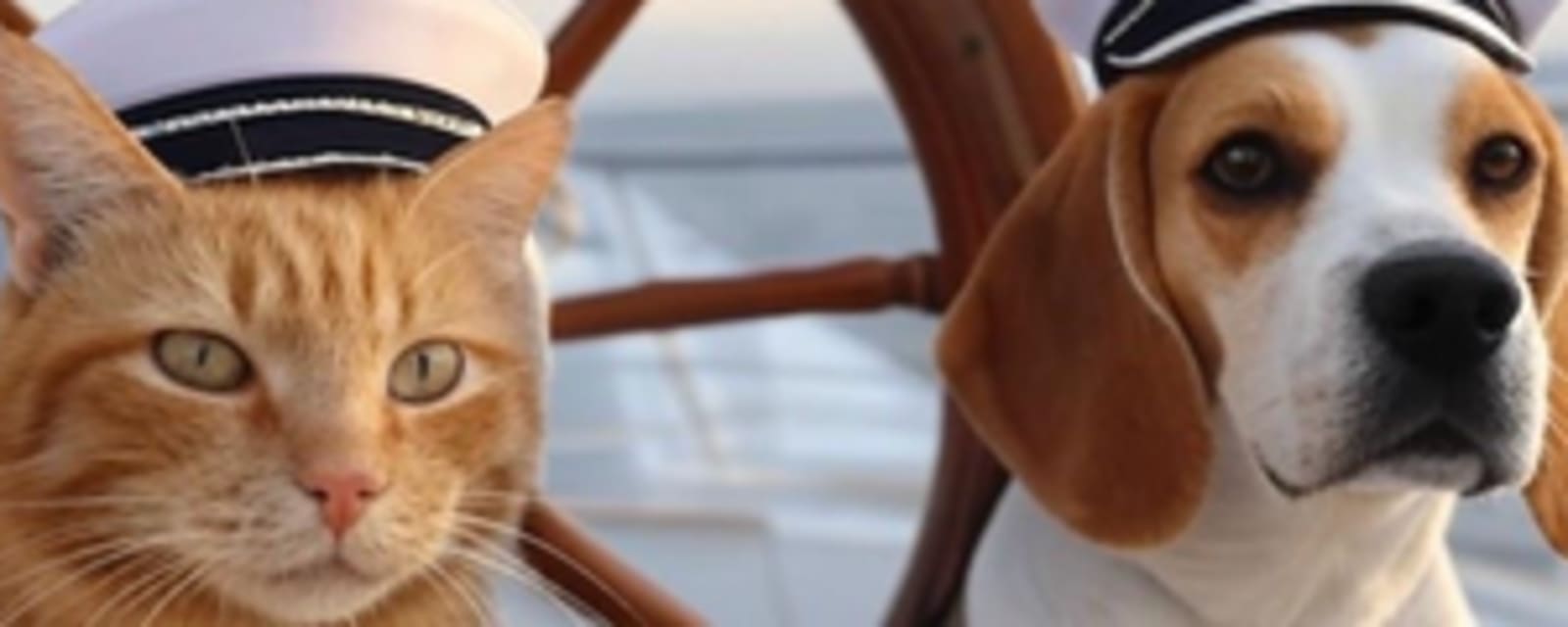
Key Takeaways
- • The cruise industry lacks pet-friendly accommodations despite strong post-COVID demand growth, with Disney alone ordering eight new cruise liners and the broader sector expanding capacity significantly.
- • Current market options are severely limited: only service dogs are permitted on standard cruise ships, while Storylines charges $2 million for a condominium cabin with onboard veterinary services, and Queen Elizabeth 2 and Queen Mary 2 offer kennel facilities that prohibit cabin stays.
- • A proposed business model would dedicate pet-friendly staterooms on new ships with structured safeguards: pets limited to airline-seat-sized carriers, maximum two to three animals per cabin, no common-area access, and RF electronic tagging for tracking—creating a revenue opportunity through premium cabin pricing.
- • The unmet market demonstrates significant willingness-to-pay among cruise passengers for pet accommodation, representing a differentiation opportunity for cruise operators expanding their fleet capacity.
Summary
The cruise industry is experiencing robust post-COVID growth, with Disney ordering eight new cruise liners as part of a broader fleet expansion across the sector. However, this expansion overlooks a notable market gap: the absence of pet-friendly accommodations on standard cruise ships. Currently, only service animals are permitted aboard regular cruise vessels, creating a constraint for the substantial segment of travelers unwilling to leave companion pets behind.
The limited existing options underscore the premium pricing the market would bear for pet-inclusive cruising. Storylines currently offers the only dedicated pet-friendly option through a $2 million condominium cabin that includes onboard veterinary services. Queen Elizabeth 2 and Queen Mary 2 provide kennel facilities, though pets cannot remain in passenger cabins. These pricing points and restrictions indicate that cruise operators have largely ceded the pet-travel segment rather than systematically addressing it.
A structured approach to pet-friendly staterooms could capture this underserved demand without compromising operational integrity or passenger safety. The proposed framework would restrict pets to those fitting in airline-seat-sized carriers—effectively excluding large breeds—with limits of two to three animals per cabin. Pets would remain in carriers during transport to and from staterooms and would have no access to common areas or deck spaces. Implementation of RF electronic tagging technology, similar to Princess Medallion systems already in use for passenger tracking, would enable real-time location monitoring and mitigate loss-and-liability concerns.
This model aligns with cruise operators' existing infrastructure capabilities and represents a natural revenue expansion for fleet additions. As cruise lines deploy new capacity to meet surging leisure demand, dedicated pet-friendly cabins would command premium positioning while requiring minimal operational complexity relative to the willingness-to-pay demonstrated by cruise passengers seeking to travel with their animals.
Go deeper than the headline
Research every firm in this story, track the ones that matter and get the daily briefing — free for 7 days.