
Key Takeaways
- • Key1 Capital has raised $320 million in the first closing of its second fund, with roughly 95% of initial commitments coming from returning investors including institutional investors, family offices and technology entrepreneurs.
- • The firm targets late-growth Israeli technology companies, a segment it says is underserved: only four of approximately 210 Israeli venture capital funds are primarily focused on late-growth investment, according to Key1's analysis.
- • Key1's first fund ($300 million) has posted a net IRR of 20.6% as of June 2026 and ranks among the top 5% of its vintage by DPI, with an average holding period of under two years.
- • Annual growth-stage investment in Israel has nearly quadrupled, from $2.7 billion in 2015 to nearly $10 billion in 2025.
Summary
Key1 Capital, an investment firm specializing in late-growth technology companies, has closed the first tranche of its second fund at $320 million. According to the firm, approximately 95% of commitments in the initial closing came from returning investors, including institutional investors, family offices and technology entrepreneurs.
Key1 concentrates on established technology companies that have already proven their products in the market and achieved meaningful commercial traction. The firm provides capital and strategic guidance to help these companies expand and become global leaders in their markets. Its portfolio includes WEKA, FundGuard, Xsight Labs, CHEQ, Sentra, Lyte, Healthee and Holidu, spanning AI infrastructure, cybersecurity and specialized software. The firm says it often tracks companies for years before investing and works closely with management on acquisitions, financing and other major strategic decisions.
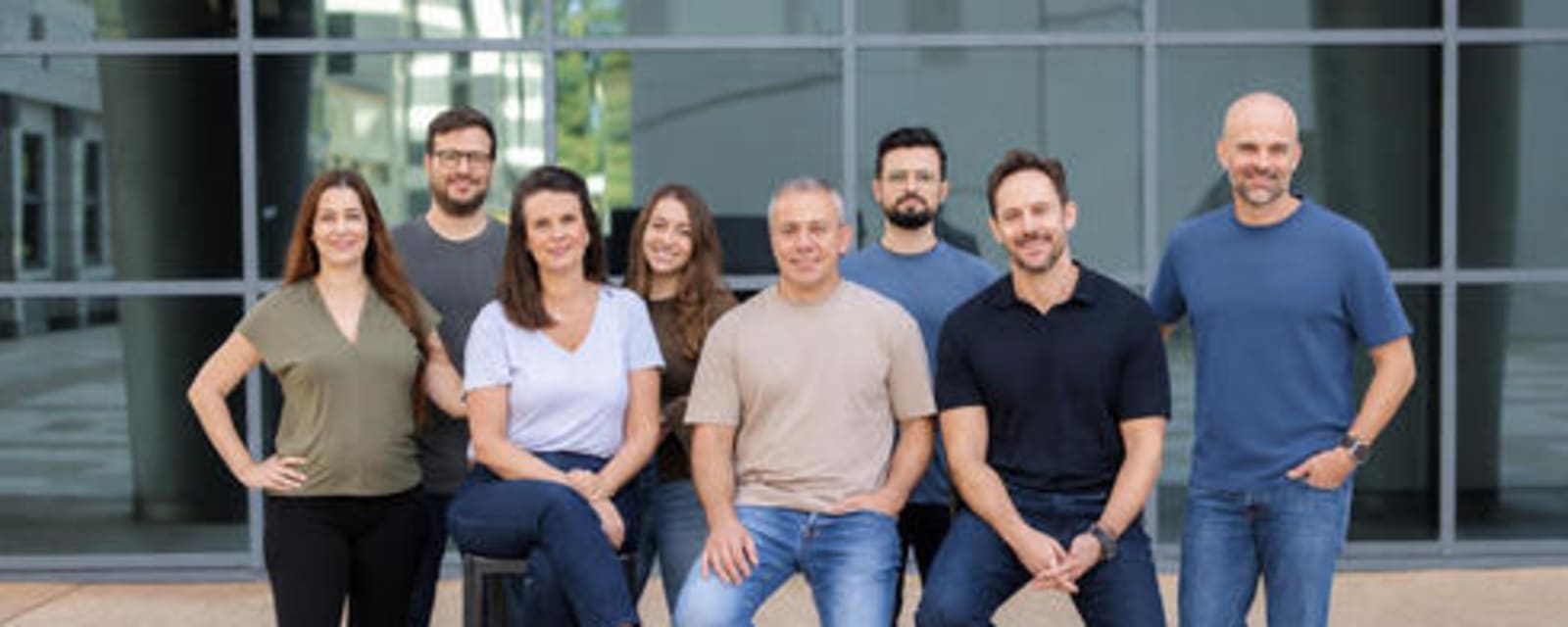
The firm was founded in 2022 by three former Goldman Sachs executives who had worked together for nearly two decades: Danny Akerman, former head of Technology Investment Banking in Israel; Sarel Eldor, former CEO of Goldman Sachs Israel; and Amit Pilowsky, former head of Consumer and Retail for the EMEA region within the Cross Markets group.
The first fund, totaling $300 million, has recorded two major exits: the sale of SuperPlay to Playtika in 2024 and the sale of DustPhotonics to Credo Technology in 2026. As of June 2026, the fund had generated a net IRR of 20.6% and ranked among the top 5% of funds from its vintage in distributions to paid-in capital (DPI), with an average holding period of less than two years.
Key1 argues that late-growth investment is becoming increasingly important in Israel, where annual growth-stage investment has nearly quadrupled over the past decade, from $2.7 billion in 2015 to nearly $10 billion in 2025. Per Key1's analysis, the local market remains heavily concentrated in early-stage companies, with only four of approximately 210 Israeli venture capital funds primarily dedicated to late-growth investing, the gap the firm is positioning to fill.
Go deeper than the headline
Research every firm in this story, track the ones that matter and get the daily briefing — free for 7 days.