
Key Takeaways
- • Scott Fox, speaking at the Freedom250 Alumni Innovation Summit in Bulgaria (organized by the USBG Alumni Community with the U.S. Embassy Sofia), argues that Central and Eastern European founders often fall short of American investors' expectations in tactical execution when entering the US market.
- • US venture investors typically require US governance, meaning Delaware incorporation, and foreign companies without it face what investors call a valuation discount.
- • Physical relocation to the US is not strictly required from day one; regularly scheduled founder visits and local representation are presented as practical alternatives, with dollar-denominated cash flow in US time zones helping startups appear American.
- • Venture funds operate on six-to-twelve-year timelines and expect high failure rates, so founders must pursue hyper-growth and treat failure as a calculated risk.
- • Founders should research investors' stage, industry and strategic focus before outreach, as blanket fundraising is a common misstep.
Summary
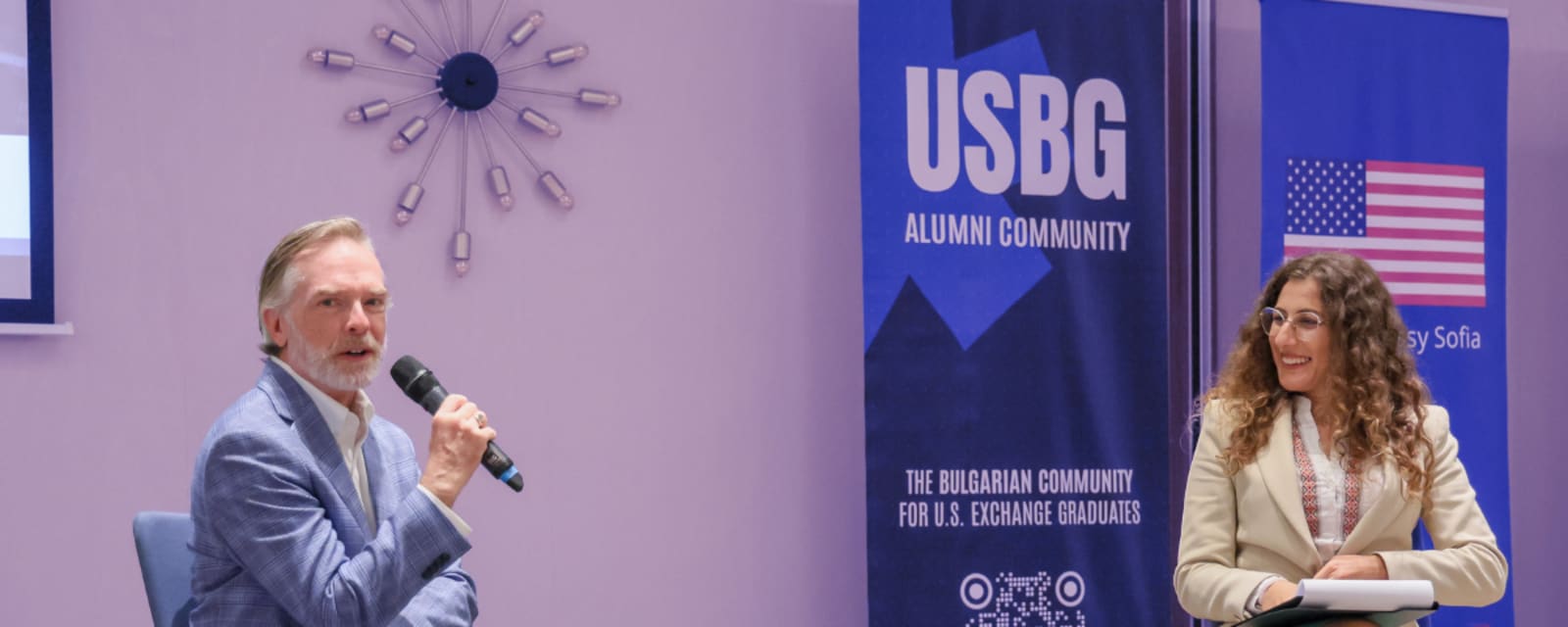
At the Freedom250 Alumni Innovation Summit in Bulgaria, organized by the USBG Alumni Community in partnership with the U.S. Embassy Sofia, Scott Fox discussed the realities of US market entry for non-US companies. According to Fox, ambition among founders in Central and Eastern Europe is strong, but tactical execution often falls short of what American investors expect.
Legal structure is one of the most immediate hurdles. US venture capitalists typically require governance they understand and trust, which for a non-US startup usually means incorporating in Delaware. Fox noted that US investors "require US governance these days." Without that alignment, foreign companies face what investors call a valuation discount, since US attorneys are rarely familiar with local or regional corporate law, creating an unacceptable level of risk for venture funds. Congruent legal systems are also described as essential for business-to-business partnerships or acquisitions.
On physical presence, Fox advised that founders need not relocate immediately, but must be present when it matters, ideally where customers are and as often as customers want to see them. Regularly scheduled visits that allow investors to anticipate the founder's arrival help build the personal trust that drives business, with Zoom bridging gaps in between. Local representation is highly valuable; Fox cited an Australian startup he invested in that hired him as an advisor to cover for its CEO abroad. Whether a company raises from US investors first or builds dollar cash flow first, the goal is credibility, as one dollar-denominated cash flow in US time zones and markets makes a company look American.
Fox also highlighted a cultural gap in risk tolerance. European founders are historically more risk-averse, which can clash with the Silicon Valley portfolio model, in which venture funds with six-to-twelve-year lifespans must invest and return capital quickly. Fox said investors may back ten companies expecting nine to fail, relying on one runaway success. Founders must therefore treat failure as a learning opportunity rather than a permanent stain, since a founder too afraid to fail is likely too afraid to pursue the hyper-growth venture capital requires.
Finally, Fox warned against blanket fundraising. The US is a large and varied market with highly specialized venture capitalists, and a pre-seed software investor will have no interest in a late-stage aerospace company. Founders should research alignment in stage, industry and strategic goals before outreach. The article notes that the Freedom 250 Alumni Innovation Summit, held 28–29 September 2026 in Sofia with more than 40 U.S. Government exchange alumni from Bulgaria, Greece, Hungary and Slovakia, provides a platform for such knowledge exchange, though Fox stressed that founders must apply it to build scalable, legally sound and strategically targeted companies.
Go deeper than the headline
Research every firm in this story, track the ones that matter and get the daily briefing — free for 7 days.