
Key Takeaways
- • Drexel University's combined endowments with the Academy of Natural Sciences reached $1 billion for the first time last year, according to the university's Investment Office.
- • Drexel's spend rate, set by the Board of Trustees within a 2% to 7% range mandated by Pennsylvania, has returned over $260 million to the university and the Academy over the past eight years.
- • The endowment's portfolio has delivered an annualized return of approximately +8.3% over 32 years, and gifts have averaged $13 million per year over the last eight years.
- • The student-run Dragon Fund, a $4 million U.S. mid-cap equity portfolio, posted an annualized return of +12.3% since its September 2007 launch and was the endowment's best-performing manager last year.
- • Restrictions from state government, the Board of Trustees and donors limit how the endowment's funds can be withdrawn, and pooled structure complicates separating restricted and unrestricted assets.
Summary
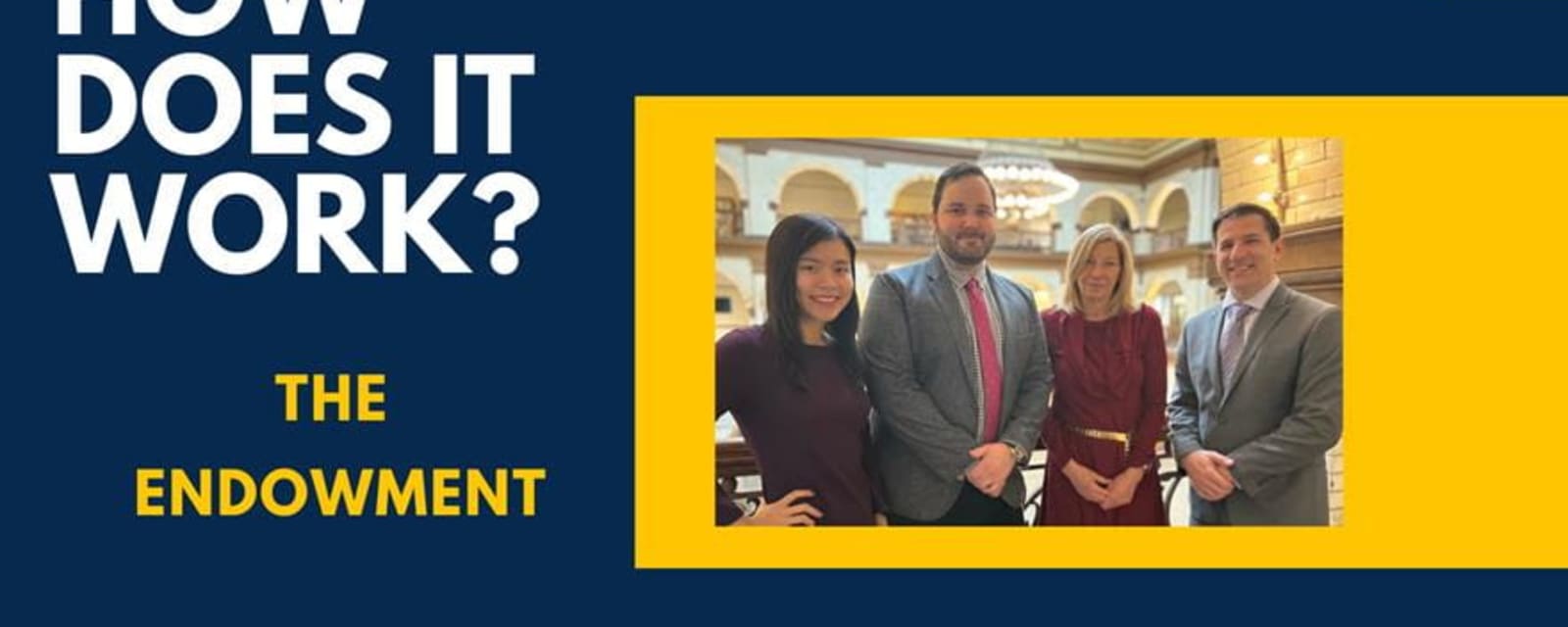
Drexel University's endowment, the largest asset on its balance sheet, is managed by the Investment Office under guidance from the Investment Committee of the Board of Trustees. In an installment of the university's "How Does It Work?" series, Chief Investment Officer Cathy Ulozas, Managing Director and Deputy CIO Matt DeAngelo, Senior Investment Analyst Chi Nguyen and Investment Analyst Stephen Chase explained the structure and purpose of the endowment. Last year the combined endowments for Drexel and the Academy of Natural Sciences reached $1 billion for the first time.
The Investment Office manages two endowments, one for the university and one for the Academy, with similar portfolio construction and risk/return profiles. Annual distributions are governed by a spend rate set by the Board of Trustees, which must fall between the 2% minimum and 7% maximum established by the Commonwealth of Pennsylvania. Non-pooled trusts and annuities are included in the endowment figures but are managed by donors or their designees rather than the Investment Office. Gifts to the Drexel endowment have averaged $13 million per year over the past eight years, though restricted gifts limit the amount available for withdrawal.
According to the Investment Office, the portfolio is divided into three buckets. Growth assets include global equities, private equity, venture capital and high yield. Safety assets, including fixed income, cash and marketable alternatives such as traded loans, are intended to cushion the portfolio during downturns. Inflation-sensitive assets include real estate, commodities and infrastructure. The total portfolio has grown since the Drexel endowment was formalized in 1991 and the Academy was added in 2012, with an annualized return of approximately +8.3% across 32 years.
The Investment Office addressed a common misconception that the university can withdraw any amount at any time, noting that restrictions originate from state government, the Board of Trustees and donors. Because the endowment is pooled, separating restricted and unrestricted funds is challenging during withdrawals. The office said diversification across asset classes, liquidity profiles, sectors and countries is used to mitigate exposure to economic and geopolitical volatility.
The endowment has also supported major university expenditures, including the purchase of St. Christopher's Hospital for Children and the refurbishment of residence halls, including Kelly Hall. The Dragon Fund, a $4 million mid-cap equity portfolio run by undergraduates at the Bennett S. LeBow College of Business, began in September 2007 with a $250,000 investment and has an annualized return of +12.3%. The article noted its early picks included Netflix and NVIDIA, and that it was the endowment's best-performing manager last year.
Go deeper than the headline
Research every firm in this story, track the ones that matter and get the daily briefing — free for 7 days.