
Key Takeaways
- • KPERS reported a 1.7% return for the fiscal year ending June 30, 2020, well short of the 7.75% assumed return, after an 11.7% loss in the third quarter and a 9.7% gain in the fourth quarter.
- • The system's portfolio fell by $951 million over the six months ending June 30, then recovered to $21.57 billion by August 31, above the $21.19 billion recorded on January 31.
- • The 25-year investment return stands at 7.8%, marginally above the 7.75% target.
- • KPERS carries an unfunded actuarial liability of $9 billion and covers roughly 315,000 active, inactive and retired members across three statewide defined-benefit plans.
- • CIO Elizabeth Miller and Meketa consultant Allan Emkin told trustees that volatility will persist, with stimulus policy, historically low rates and the November election as key variables.
Summary
The investment portfolio of the Kansas Public Employee Retirement System (KPERS) earned 1.7% in the fiscal year ending June 30, 2020, far below the 7.75% return projected for the period, according to officials who briefed the system's trustees in Topeka. The shortfall reflected pandemic-driven market turmoil: the portfolio lost 11.7% in the third quarter, before a 9.7% gain in the final quarter as markets began to recover.
The trust fund's asset value fell by $951 million over the six months ending June 30. It rebounded to $21.57 billion by August 31, surpassing the $21.19 billion recorded on January 31. Officials reported a 25-year investment return of 7.8%, slightly above the system's 7.75% target.
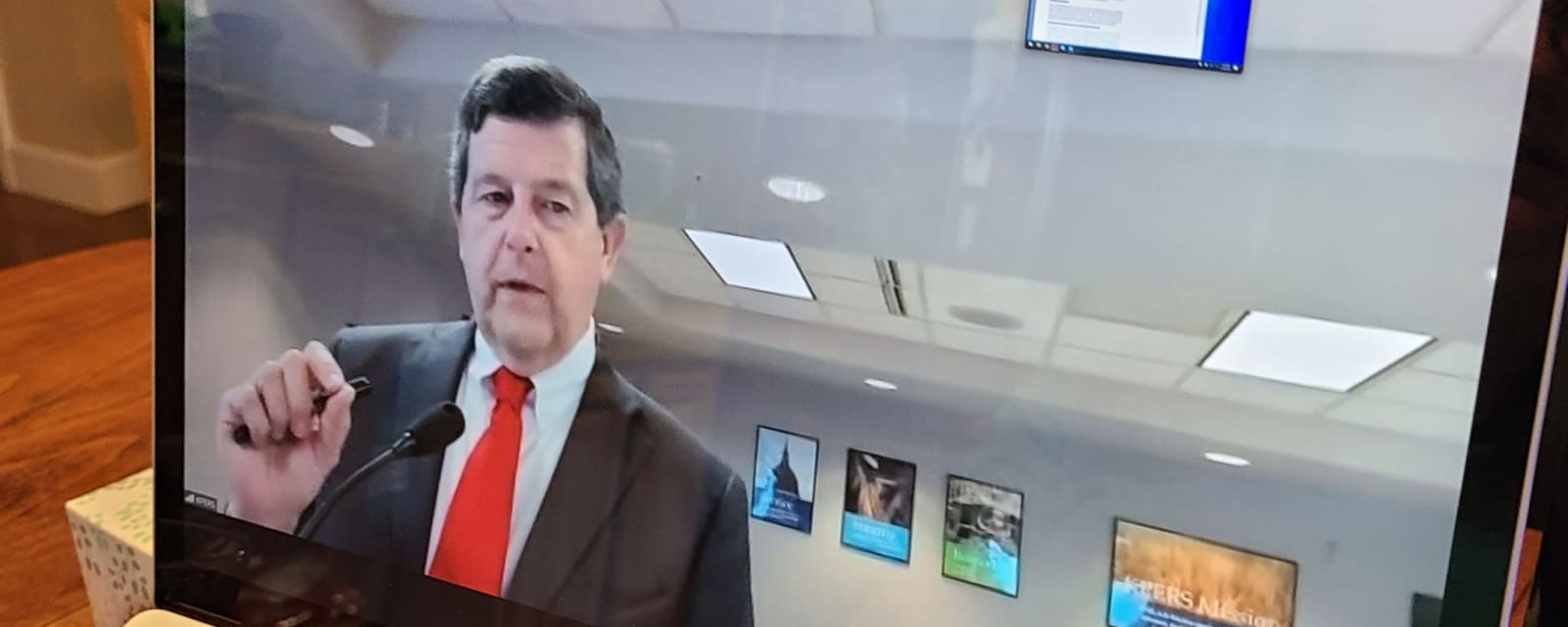
Chief Investment Officer Elizabeth Miller said uncertainty has defined the period, noting that the pandemic "really overwhelmed everything" and that significant risks remain both domestically and internationally. Allan Emkin, a consultant with Meketa Investment Group, described the prior fiscal year as containing the most rapid rise and decline in the equity market in modern history, with markets hit hard in March as businesses were paralyzed. He said volatility continues to be driven by nonfinancial factors and that "to say that there is uncertainty would be a gross understatement."
Miller identified several variables for KPERS investments: actions by the Federal Reserve and Congress on stimulus packages aimed at millions of newly unemployed Americans, where negotiations with the White House and Congress had stalled but pressure existed to reach a deal before the November elections. She also warned that continued historically low interest rates will reduce returns on assets, and cited the presidential election between Donald Trump and Democratic nominee Joe Biden as a contributing factor.
KPERS administers three statewide defined-benefit plans covering state and local employees, police and fire personnel, and judges. Employees, public employers and the state contribute to the system, and investment shortfalls must ultimately be offset through contributions. The system has an unfunded actuarial liability of $9 billion, attributed to two recessions and more than 25 years of employer contributions below the required level. In 2015, the Kansas Legislature authorized the sale of $1 billion in bonds to fund market investments intended to reduce that liability.
Go deeper than the headline
Research every firm in this story, track the ones that matter and get the daily briefing.