
Key Takeaways
- • A provision in the proposed Digital Asset Industry Innovation and User Protection Act (Article 75) would exempt the government and designated public asset managers from the 20 percent voting-share cap on cryptocurrency exchange ownership, with no separate upper limit on their stakes.
- • The Korea Investment Corporation (KIC) and the Korea Development Bank (KDB) are named as potential buyers of South Korean exchange stakes, though the eligible institutions will be set later by enforcement decree.
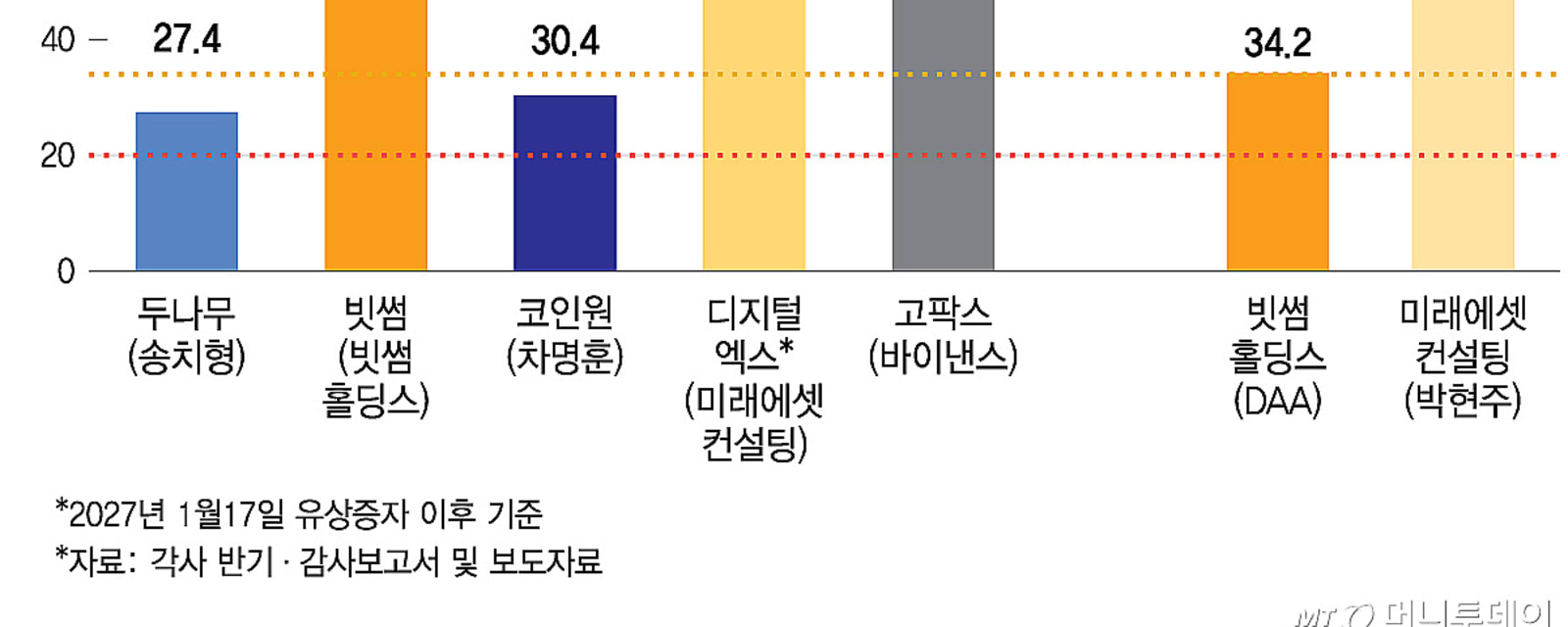
- • The bill was proposed on Nov. 27 by Rep. Yoo Dong-soo of the ruling Democratic Party of Korea, and it runs parallel to a separate proposal allowing up to 34 percent ownership with Financial Services Commission approval.
- • Critics warn that government shareholding combined with its licensing and supervisory role could compromise exchange management independence and create conflicts of interest.
- • The bill grants existing excess shareholders a three-year grace period, extendable by three years, but omits a Financial Services Commission power to order the sale of excess shares.
Summary
Sovereign wealth funds and state-owned financial institutions, including the Korea Investment Corporation (KIC), could become major shareholders in South Korean cryptocurrency exchanges under a proposed law, according to reporting by Money Today (머니투데이). The move stems from Article 75 of the Digital Asset Industry Innovation and User Protection Act, proposed on Nov. 27 by Rep. Yoo Dong-soo of the ruling Democratic Party of Korea. The article generally prohibits any shareholder from owning more than 20 percent of the voting shares of a cryptocurrency exchange, but carves out exceptions for the government and institutions designated by presidential decree that manage assets invested or entrusted by the government.
Unlike a separate proposal that would allow ownership of up to 34 percent with Financial Services Commission approval, the provision sets no separate upper limit on the stakes of exempted public institutions. The Korea Investment Corporation, a sovereign wealth fund being pursued by the government, and state-run lenders such as the Korea Development Bank are cited as potential buyers. The specific eligible institutions will be determined later through an enforcement decree.
The proposal has drawn concern from financial industry observers. One official questioned whether investing in exchange stakes aligns with the founding purpose of public institutions, stating that "granting an exemption from ownership restrictions and authorizing individual institutions to make investments are two separate issues." The official also noted that if purchases involve buying shares from existing shareholders, exchanges would receive no new operating capital, and any losses from a cryptocurrency market downturn would fall on the public sector. Critics further warn that a government that becomes a major shareholder, directly or indirectly, while also exercising licensing and supervisory authority over exchanges could undermine management independence and create conflicts of interest.
Enforcement of the ownership limits is also in question. The bill gives existing shareholders above the limit a three-year grace period, extendable by a further three years if conditions are met. After the grace period, voting rights on excess shares would be restricted, and holdings would have to be brought into compliance without delay. However, the bill does not authorize the Financial Services Commission to set a deadline and order the sale of excess shares, in contrast to Article 18 of the same bill, which explicitly allows disposal orders when shareholders fail to obtain approval for changes in major shareholdings.
Go deeper than the headline
Research every firm in this story, track the ones that matter and get the daily briefing.