
Key Takeaways
- • A National Assembly Finance and Economy Planning Committee budget review, led by chief expert member Lee Jeongeun, says KIC's planned strategic sovereign wealth fund may not be able to invest right away, with 2027 cash contributions at risk of sitting idle if legal and framework timelines slip.
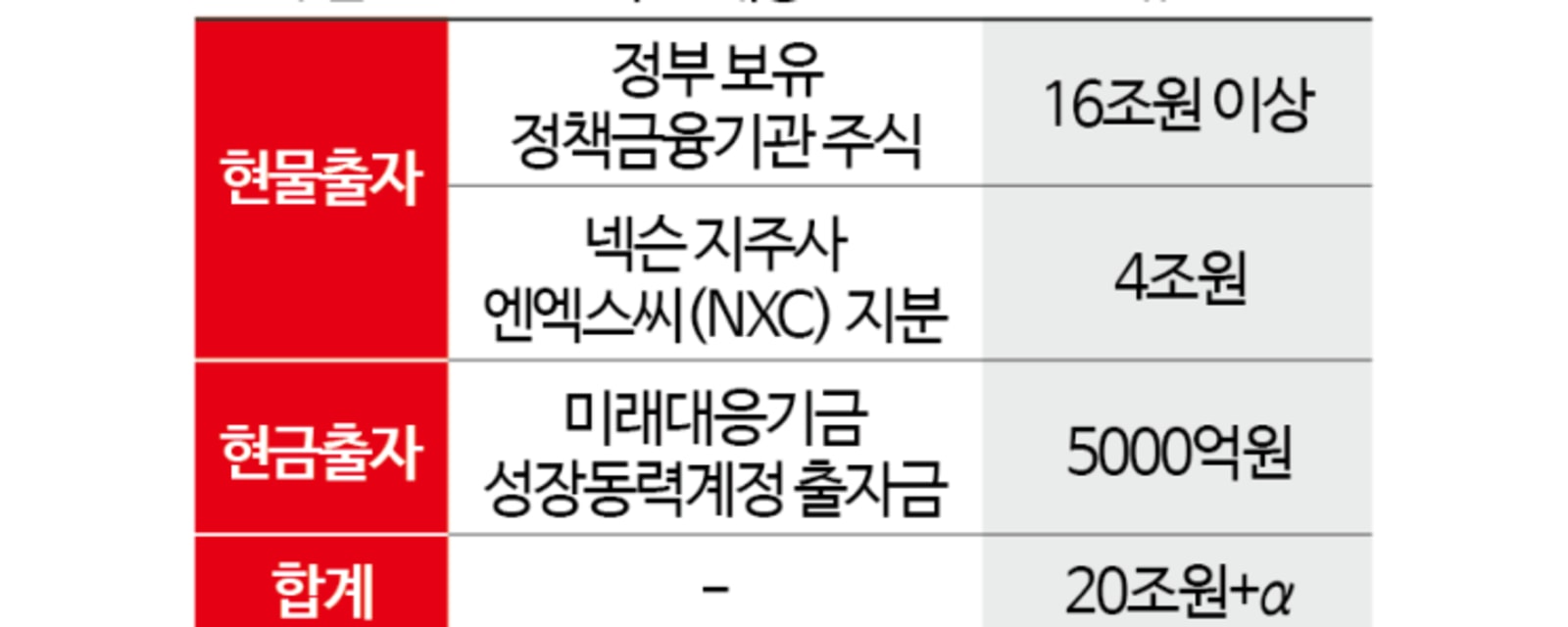
- • The fund's initial capital will total at least 20 trillion won, but only a 500 billion won cash contribution from the Future Response Fund is cash; the bulk consists of in-kind shares in Korea Development Bank, the Export-Import Bank of Korea, Industrial Bank of Korea and a 4 trillion won NXC stake, which generate dividends rather than investable liquidity.
- • KIC can currently invest only in overseas assets, so a separate legal basis is required before domestic strategic investment, and building the specialized personnel and capabilities will also take time.
- • Lee warned that the fund's targets, including semiconductors, AI and biotechnology, overlap substantially with existing policy-financing programs, and that contributing government-held shares could shift about existing dividend income to the fund without adding new national income.
- • KIC President Park Ilyoung told the committee on October 23 that the fund could immediately access 1 trillion won by combining the 500 billion won cash contribution with bank-share dividends.
Summary
A report by Lee Jeongeun, chief expert member of the National Assembly Finance and Economy Planning Committee, reviewing the preliminary examination of the committee's budget proposal, questions whether the scale and timing of cash capital contributions for 2027 are appropriate. According to the National Assembly and other sources, reported November 10, Lee argued that the fund may take considerable time to start investing even after it is established next year, because legal amendments and an investment management framework are still needed. She warned that if the schedule slips, contributions could be managed as idle cash.
The Korean-style strategic sovereign wealth fund is designed to extend KIC's existing overseas, foreign-currency-focused portfolio mandate into long-term direct investments in strategic domestic industries such as semiconductors and artificial intelligence. A separate strategic investment account will be created. The initial capital is at least 20 trillion won, comprising in-kind shares worth at least 16 trillion won in Korea Development Bank, the Export-Import Bank of Korea and Industrial Bank of Korea, a 4 trillion won stake in NXC, Nexon's holding company, received in lieu of taxes, and a 500 billion won cash contribution from the Future Response Fund. Lee noted that the policy-bank shares are held to secure dividend income, so their assessed value does not translate into immediately usable liquidity.
During the committee's state affairs audit on October 23, People Power Party lawmaker Kim Sanghoon questioned the funding, and KIC President Park Ilyoung responded that the fund could immediately access 1 trillion won by combining the cash contribution with dividends from bank shares. Park also acknowledged that KIC would need to hire more staff to address concerns about its domestic strategic investment expertise.
Lee also raised concerns about overlap with existing policy-financing programs. The fund is expected to target strategic and core industries, including semiconductors, AI, biotechnology and overseas supply-chain companies. The Ministry of Finance and Economy argues the fund is distinct because it will hold equity over the long term with no set maturity or liquidation date. Lee countered that differences limited to investment period and recovery method would not resolve overlap concerns, noting that the policy banks and the National Growth Fund and Advanced Strategic Industries Fund already support these sectors. She further argued that transferring government-held shares would move existing dividend income to the fund, reducing non-tax government revenue without creating new income for the economy as a whole.
Go deeper than the headline
Research every firm in this story, track the ones that matter and get the daily briefing — free for 7 days.