
Key Takeaways
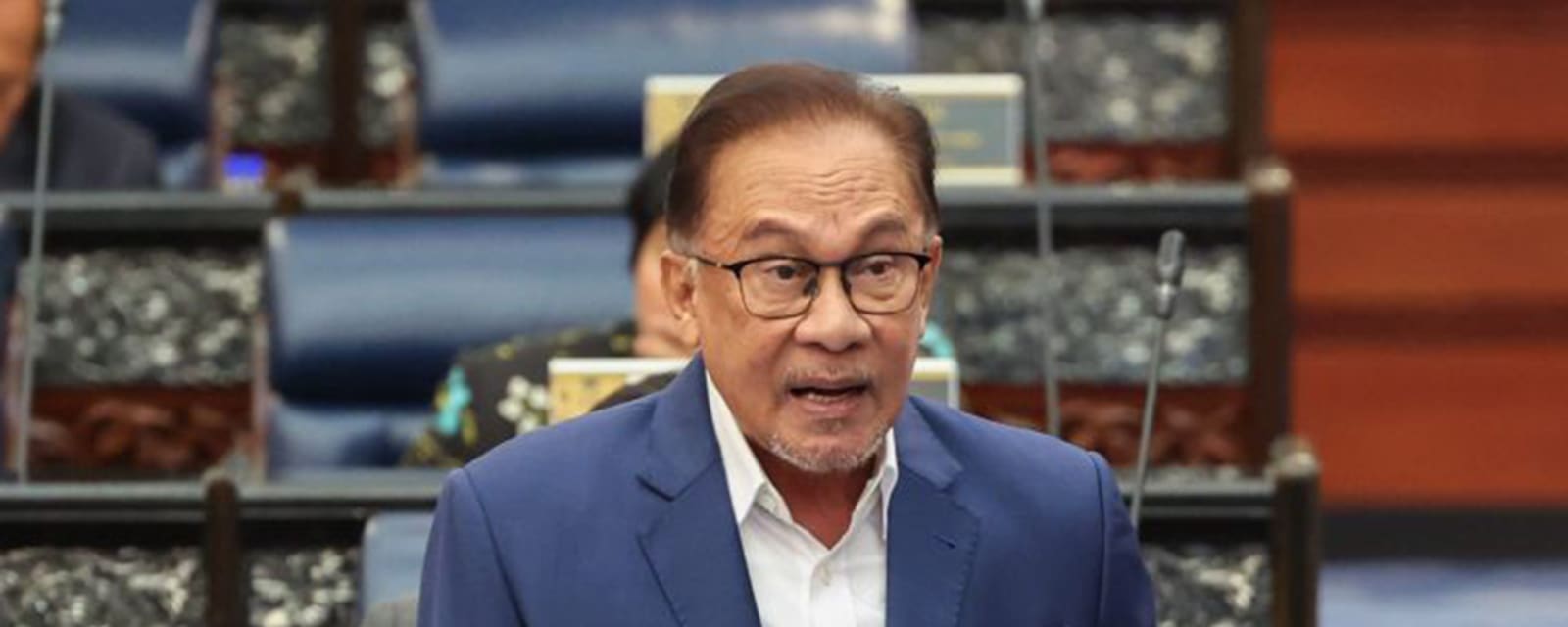
- • Malaysian Prime Minister Datuk Seri Anwar Ibrahim said on 25 November that the government will study an AI wealth fund to share artificial intelligence gains with Malaysians, per Bernama's report of his remarks on RTM's Dialog Negara programme.
- • Anwar asked the Communications and Digital ministries to study options, including US Senator Bernie Sanders' proposed American AI Sovereign Wealth Fund Act, and said he agrees with the idea in principle.
- • No design, funding structure, eligibility criteria, or payout mechanism has been announced for a Malaysian fund, and no timeline has been given.
- • Sanders' bill would impose a one-time 50 per cent tax, paid in shares, on companies with US$200 million or more in annual AI sales, and he estimates the resulting fund at nearly US$7 trillion with a 5 per cent annual dividend.
- • CJ.MY found no report that Congress has passed the Sanders bill, which AP described as the first legislative attempt at the concept.
Summary
Prime Minister Datuk Seri Anwar Ibrahim said on 25 November that the Malaysian government will study an AI wealth fund designed to share the gains from artificial intelligence with Malaysians. He made the remarks on RTM's Dialog Negara programme, as reported by Bernama. Anwar directed the Communications and Digital ministries to examine the options, including a proposal by US Senator Bernie Sanders for a fund that would pay dividends to Americans. Anwar said he agrees with the concept in principle and that discussions can begin before any legislation exists. No design has been announced, and reporting from Malay Mail provides no details on funding, structure, eligibility, or payouts.
Anwar argued that AI could deepen inequality, making the sharing of gains more urgent, and said the government wants to attract investment while keeping inequality in check. He pointed to the minimum wage as a precedent, noting that multinationals were required to comply when it was introduced, and said foreign firms' earlier objections based on low wages no longer hold as living standards have risen. He cited a US$15 billion Google investment whose conditions included RM600 million for water supply in Negeri Sembilan and advanced AI training for 1,000 young Malaysians, with Universiti Malaya as one partner. Anwar also warned that overly onerous conditions could drive investors away, a balance he said the government must strike.
The Sanders proposal, the American AI Sovereign Wealth Fund Act, was introduced in June. According to AP, it would impose a one-time 50 per cent tax on the stock of the largest AI companies, payable in shares rather than cash, applying to firms with US$200 million or more in annual AI sales. The shares would be placed in a sovereign wealth fund overseen by an independent seven-member commission, with members nominated by the president and confirmed by the Senate. The commission could use the fund's voting shares to block decisions it deems harmful to the public. Sanders estimates the fund at nearly US$7 trillion, paying a 5 per cent annual dividend. CJ.MY calculated this at about US$350 billion, or roughly US$1,030 per person across about 340 million Americans. Sanders also proposes spending on education, housing and health care. CJ.MY found no report that Congress has passed the bill.
For Malaysians, the benefits of any AI wealth fund would depend on its design, which has not been determined. A fund could pay direct dividends, finance schools, clinics and training, or combine both approaches. Anwar has not indicated a preference, and the ministries have not reported back. The idea has critics: Sanders contends taxpayers would not lose money if AI valuations fall, while Reason magazine argues the plan rests on shaky comparisons.
Go deeper than the headline
Research every firm in this story, track the ones that matter and get the daily briefing.