
Key Takeaways
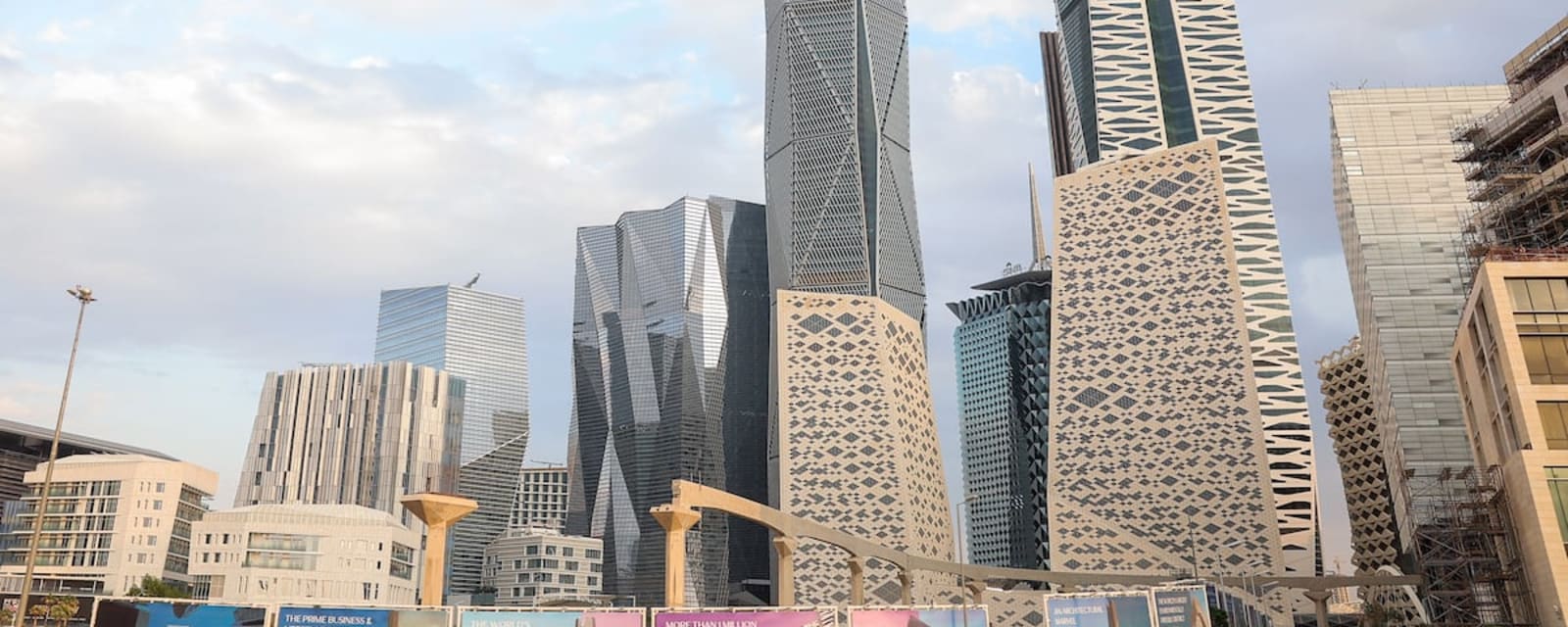
- • A strike on Riyadh's financial district damaged the Public Investment Fund (PIF) Tower, the headquarters of Saudi Arabia's sovereign wealth fund, on Thursday, according to Reuters, which cited three sources.
- • The extent of the damage and whether there were casualties were not immediately known, while the Saudi-led coalition said an initial assessment indicated falling debris caused material damage.
- • The Houthis had not claimed responsibility, and coalition spokesman Maj Gen Turki Al Malki said the damage was still being assessed without specifying whether the missile was intercepted.
- • The Houthis have intensified attacks on Saudi infrastructure, including airports, ports and oil sites, and the Asian Cup has been postponed from early 2027 to December 2027.
- • Renewed Houthi leverage near the Bab Al Mandeb strait could add pressure on maritime trade already affected by Iranian disruption in the Strait of Hormuz.
Summary
A strike on Riyadh's financial district damaged the headquarters of Saudi Arabia's sovereign wealth fund on Thursday, November 19, 2026, as Houthi rebels in Yemen launched a series of missile attacks toward the kingdom. Reuters, quoting three sources, reported that the Public Investment Fund Tower was damaged. The extent of the damage and any casualties were not immediately known.
The Saudi-led coalition fighting the Iran-aligned Houthis said it had dealt with a missile threat aimed at Riyadh, with an initial assessment indicating that falling debris caused material damage. A loud explosion was heard across the capital shortly after the Saudi Civil Defence issued a mobile phone alert warning of a potential aerial threat before dawn, and an all-clear followed. Coalition spokesman Maj Gen Turki Al Malki said in a statement on X that the damage was being assessed but did not say whether the missile had been intercepted. The Houthis had not yet claimed responsibility. Separately, the Houthi-run Saba news agency reported Saudi air strikes on Sanaa, without further detail. The coalition also said its air defences intercepted a cruise missile aimed at the southern region, destroyed four ballistic missiles fired toward the south, and struck a missile launch platform in Yemen's Saada province.
The attacks come as the Houthis have intensified strikes on Saudi infrastructure, including airports, ports and oil sites. King Khalid International Airport in Riyadh was previously hit, causing significant disruption. Riyadh's international airport partially resumed operations in late October but is not yet fully back to normal. The Asian Cup, which the Asian Football Confederation postponed this month from early 2027 to December 2027, is among several high-profile events cancelled or postponed in recent weeks.
On the diplomatic front, Crown Prince Mohammed bin Salman met Admiral Brad Cooper, commander of US Central Command, in Riyadh on Thursday to discuss military ties and regional developments, according to the Saudi Press Agency. Defence Minister Prince Khalid bin Salman held separate talks with Cooper on defence co-operation. Foreign Minister Prince Faisal bin Farhan also spoke by telephone with Jordanian Deputy Prime Minister and Foreign Minister Ayman Safadi about easing tension and preventing further escalation.
The strikes also coincide with shifting front lines in Yemen. Government-aligned forces said on Sunday they were withdrawing from an area overlooking the Bab Al Mandeb strait, which could give the Houthis greater influence over a key passage linking the Red Sea and Gulf of Aden. Last month, those forces had recaptured Dhubab and the Red Sea port city of Mokha. The Southern Armed Forces said the redeployment aimed to prioritise the security of Aden and support efforts to break the Houthi siege of Taiz. Any increase in Houthi leverage over the strait could add to pressure on maritime trade, with Iran continuing to disrupt shipping through the Strait of Hormuz on the other side of the Arabian Peninsula.
Go deeper than the headline
Research every firm in this story, track the ones that matter and get the daily briefing — free for 7 days.