
Key Takeaways
- • Türkiye consolidated its three state-owned Islamic banks under the Türkiye Wealth Fund (TVF), with the initial phase finalized on November 10, 2026, after share transfer agreements signed October 7, 2026, moving Ziraat Katılım and Halk Katılım to TVF Katılım Finans Yatırımları A.Ş. ahead of a merger with Vakıf Katılım.
- • The restructuring aims to lift Islamic banking's share of Turkish financial assets from roughly 8 percent toward a 15 percent target and to attract Gulf Cooperation Council sovereign wealth capital.
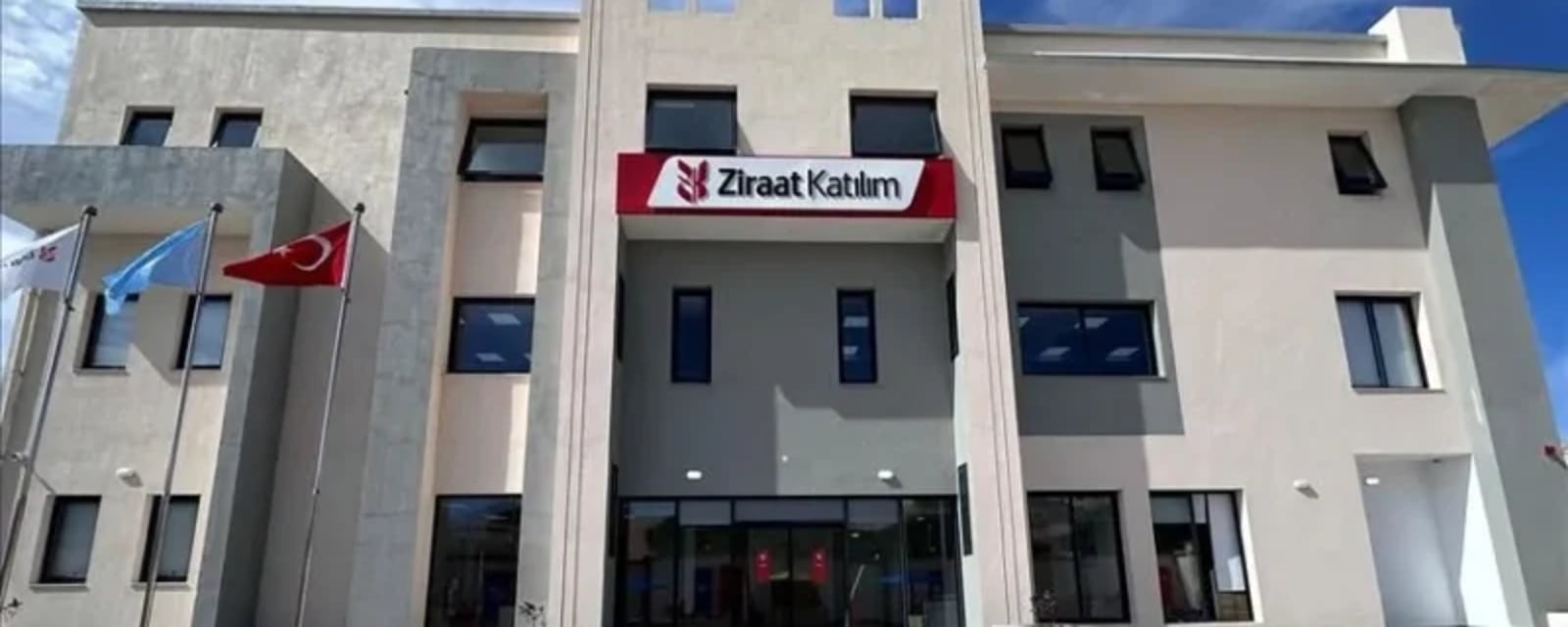
- • Ziraat Katılım is Somalia's only international bank branch, opened in October 2023 as the first foreign bank in over five decades, and its parent now sits inside Türkiye's sovereign wealth strategy.
- • Somalia's heavily dollarized economy faces heightened liquidity risk; the Central Bank of Somalia previously capped physical cash exports at $15 million per bank annually after IMF-backed intervention.
- • Auditor General findings show $34 million in concession fees unverified and earlier flagged $32 million in unverified port and airport revenues, raising concerns about supervision of a TVF-owned lender.
Summary
Türkiye's consolidation of its three state-owned Islamic banks under the Türkiye Wealth Fund (TVF) was finalized in its initial phase on November 10, 2026, according to the original report. Following share transfer agreements signed October 7, 2026, Ankara moved all shares of Ziraat Katılım and Halk Katılım to TVF Katılım Finans Yatırımları A.Ş., a dedicated sovereign holding subsidiary, ahead of merging them with Vakıf Katılım into a single state-backed institution. The plan was announced by President Recep Tayyip Erdoğan at the Istanbul World Islamic Economy Summit in June 2026. The restructuring seeks to eliminate overlapping infrastructure, lift Islamic banking's share of Turkish financial assets from roughly 8 percent toward 15 percent, and build a lender capable of underwriting major infrastructure and attracting institutional capital from Gulf Cooperation Council sovereign wealth funds.
For Somalia, the change matters because Ziraat Katılım operates there as the sole international bank branch. It opened in October 2023 as the first foreign bank in over five decades. The Mogadishu branch now sits within Türkiye's sovereign wealth strategy rather than under a conventional commercial parent. The original report argues this heightens liquidity risk in an economy where physical U.S. dollars are the primary medium of exchange and domestic lenders lack an active lender of last resort. Ziraat Katılım has previously faced regulatory reprimands and complaints from local commercial banks over collecting domestic dollar deposits and exporting bulk U.S. currency. The Central Bank of Somalia (CBS) responded with an annual ceiling of $15 million on physical cash exports per bank, following intervention from the International Monetary Fund. The report notes that only two foreign banks held CBS licenses at the time of reporting, and Egypt's Banque Misr was not operational.
The article's observers say the CBS has enforced compliance cautiously against the Turkish lender, reflecting the political sensitivity of Ankara's role in Mogadishu. They argue a larger, more commercially aggressive entity may have incentives to use Mogadishu as a low-cost dollar collection hub rather than reinvest liquidity locally. The consolidated bank could also capture high-value corporate accounts, including Turkish contractors, international agencies and major importers, depriving domestic Somali banks of transaction volume they need to secure independent correspondent banking relationships. Somalia already loses an estimated $210 million annually in costly aid and remittance transfer chains, and domestic banks have formed a national SWIFT user group to strengthen compliance.
The consolidation also coincides with expanded Turkish strategic, military and commercial control in Somalia, including offshore oil drilling, aerospace facilities, and management of Mogadishu's seaport and international airport. The Office of the Auditor General has reportedly been unable to compel Turkish concessionaires to submit mandatory independent audits, and has been unable to verify $34 million in concession fees after earlier flagging $32 million in unverified port and airport revenues. Proponents argue a sovereign-backed Islamic bank could syndicate large Sharia-compliant financing for energy, port and agribusiness projects, while critics warn that weak oversight could insulate a TVF-owned lender from effective central bank supervision. The original article concludes that enforceable caps on cash exports, local liquidity retention ratios and correspondent clearing support for domestic lenders would be needed to prevent further capital outflows.
Go deeper than the headline
Research every firm in this story, track the ones that matter and get the daily briefing — free for 7 days.