
Key Takeaways
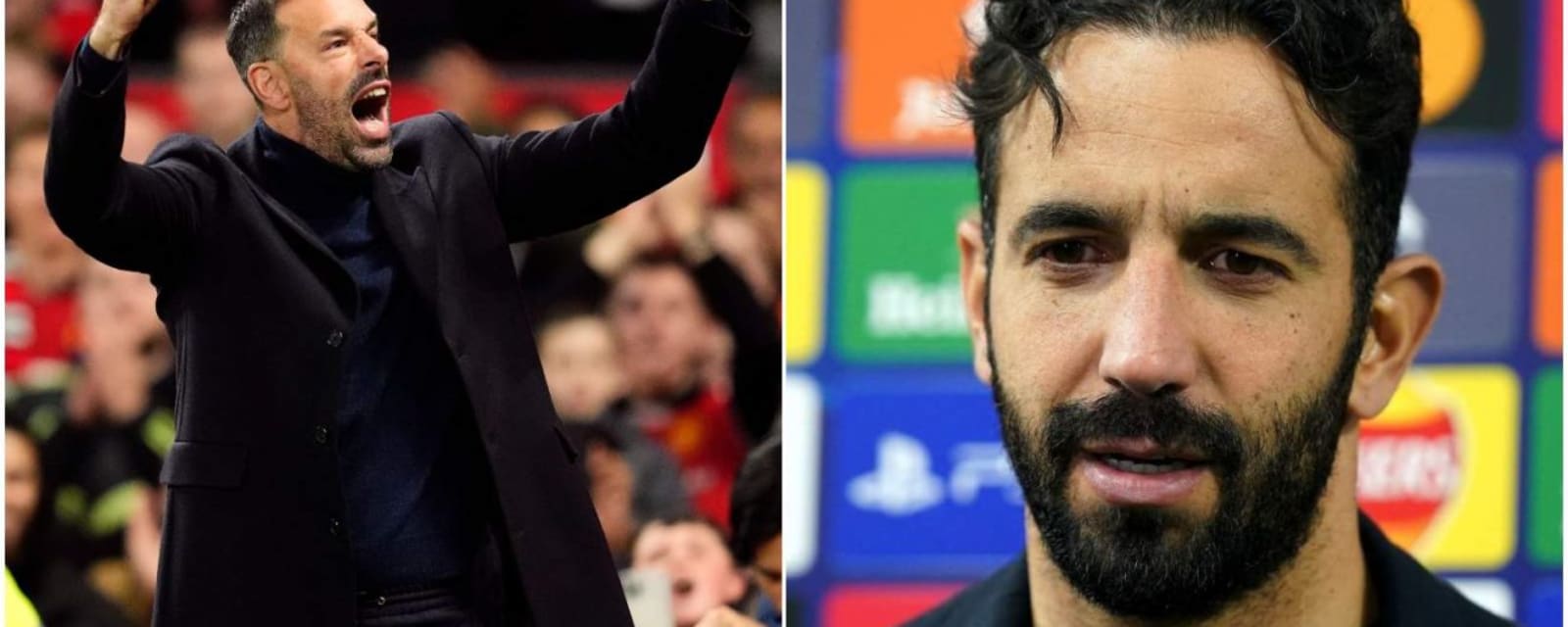
- • Manchester United appointed Rúben Amorim as head coach to replace Erik ten Hag, following Ten Hag's dismissal after a 2-1 loss to West Ham in early November 2024. Amorim, 39, officially joined the club the week of November 11.
- • Ruud van Nistelrooy served as interim manager during the transition period, overseeing Manchester United's match against Leicester City before Amorim's arrival, and previously managed PSV Eindhoven in the Eredivisie.
- • Former Manchester United player Kleberson publicly advocated for van Nistelrooy's permanent appointment rather than Amorim's, citing van Nistelrooy's deep understanding of the club's culture established under Sir Alex Ferguson and his demonstrated passion for the institution.
- • Amorim brings a strong track record at Sporting Lisbon, having won the Primeira Liga twice since 2020 and leading Sporting to a 4-1 Champions League victory over Manchester City prior to his departure, demonstrating tactical competence at the elite level.
- • The managerial decision reflects Manchester United's broader instability, with both Ten Hag and Amorim facing challenges adapting to the club's organizational structure and the scrutiny from prominent former players, signaling ongoing institutional tension at the organization.
Summary
Manchester United's ownership structure under INEOS executed a managerial change in early November 2024, terminating Erik ten Hag's tenure following disappointing league performance and appointing Rúben Amorim as his successor. Ten Hag was removed after a 2-1 defeat to West Ham, with Amorim officially commencing his role the week of November 11. Ruud van Nistelrooy, a club legend and former PSV Eindhoven manager, served as interim head coach during the transition, with his final match as temporary manager scheduled against Leicester City on Sunday before Amorim's arrival.
Amorim's appointment came with considerable institutional credibility derived from his success at Sporting Lisbon since 2020. During his tenure in Portugal, he secured two Primeira Liga titles and led Sporting to an impressive 4-1 Champions League group-stage victory against Manchester City, generating significant optimism among Manchester United stakeholders including high-profile former player Rio Ferdinand.
However, the appointment generated notable dissent from former Manchester United player Kleberson, who publicly advocated that van Nistelrooy should have retained the managerial position permanently. Kleberson emphasized that van Nistelrooy possessed a critical competitive advantage: deep institutional knowledge of Manchester United's culture and values established during Sir Alex Ferguson's tenure. According to Kleberson, "He has a passion for the club," and "The biggest thing is that Ruud knows the culture of the club, that Ferguson helped put in place." This perspective reflects a broader organizational tension, as both Ten Hag and Amorim have encountered friction navigating the club's structural complexities and managing scrutiny from legendary former players embedded in the institution's decision-making apparatus.
The managerial transition underscores Manchester United's ongoing institutional challenges, with organizational culture and alignment between management and executive stakeholders emerging as critical factors independent of tactical or technical competence.
Go deeper than the headline
Research every firm in this story, track the ones that matter and get the daily briefing — free for 7 days.