
Key Takeaways
- • South Korea's National Pension Service (NPS) is set to finalize its five-year asset-allocation strategy covering 2027 through 2031 on May 28, with domestic equity reduction the central question.
- • Domestic equities recently accounted for more than 27 percent of the fund's portfolio, well above the 2026 target of 14.9 percent and the 19.9 percent ceiling permitted under tactical and strategic allocation rules.
- • The committee reviewed four scenarios at its fourth meeting of 2026 but postponed a final decision, an unusual second convening within a single month.
- • The previous plan, approved in May 2025, set a 2030 target of 55 percent equities, 30 percent bonds and 15 percent alternatives.
- • Committee members are divided: some back gradual domestic equity reduction now, while others warn large-scale selling could pressure the KOSPI.
Summary
South Korea's National Pension Service (NPS) is scheduled to finalize its asset-allocation strategy for the next five years on May 28, according to Maeil Business News Korea. The decision carries weight for domestic markets because the fund's domestic equity exposure has grown well beyond policy targets following a sharp rally in the local stock market.
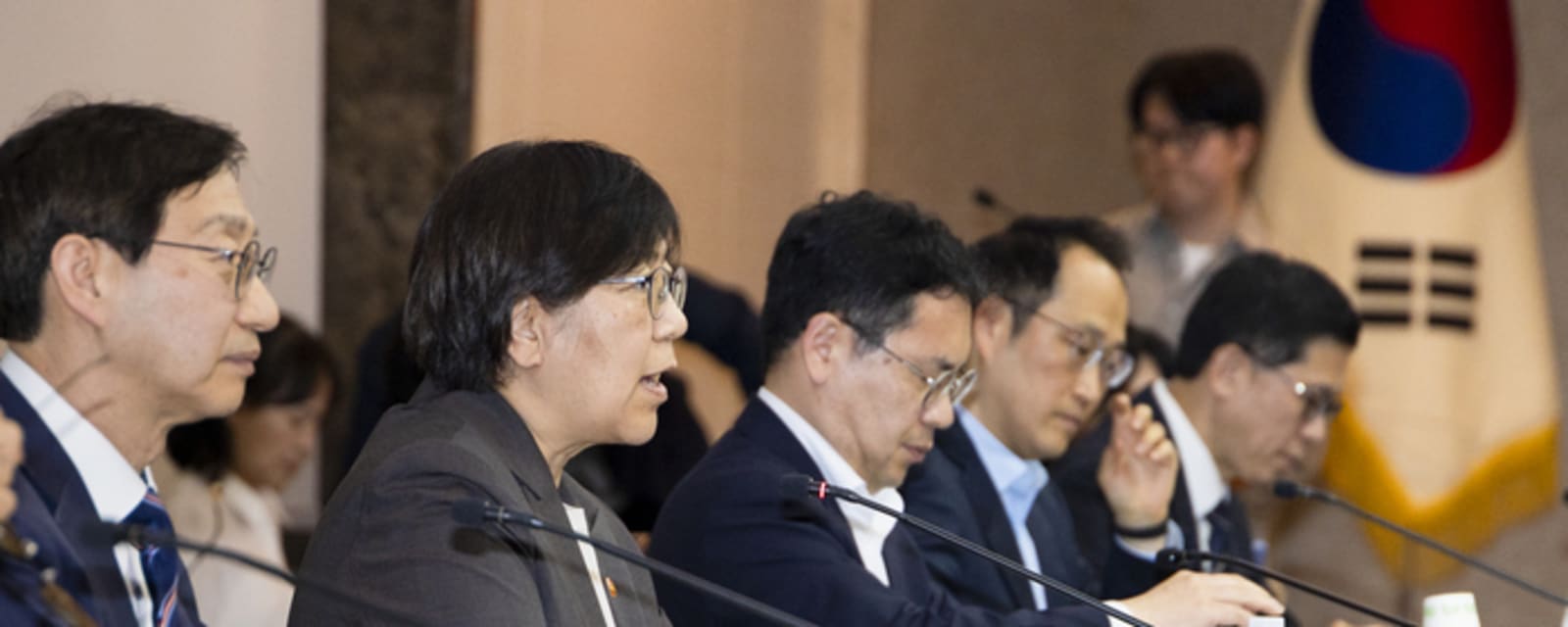
The National Pension Fund Management Committee held its fourth meeting of 2026 at the Government Complex Seoul and received an interim report on the midterm plan covering 2027 through 2031. The plan sets target allocations across stocks, bonds and alternative investments with the aim of improving long-term profitability and stability. Under the plan approved in May last year, the fund targeted a 2030 allocation of 55 percent equities, 30 percent bonds and 15 percent alternatives, with a gradual reduction in domestic stock exposure and expansion of alternatives.
According to government ministries and investment banking industry sources, domestic equities recently made up more than 27 percent of the portfolio, compared with this year's target of 14.9 percent. Even allowing for the permitted tactical and strategic ranges, the ceiling is 19.9 percent. The gap widened after the committee earlier this year decided to temporarily delay rebalancing until June. The committee reviewed four scenarios on Friday but deferred a final decision to the May 28 session, a move observers described as unusual given the sensitivity of the issue.
Debate has intensified as the KOSPI surged in recent months. Some committee members reportedly favor a gradual cut in domestic equities starting now. Others worry that large-scale selling to meet this year's target could significantly pressure the market. Concerns also center on the possibility that continued gains, partly driven by a recovery in the semiconductor sector, could leave the fund missing further upside if it sells too aggressively.
NPS Chairman and CEO Kim Sung-joo described the situation as one the fund had never faced before, stating: "The domestic equity weighting issue is a key task, but nothing has been decided yet." The committee also reviewed operational performance as of the end of February. Health and Welfare Minister Jeong Eun-kyeong said the fund has continued to post solid returns, driven by strong performance in major asset classes including domestic equities, and pledged support for the committee in establishing a reasonable plan.
Go deeper than the headline
Research every firm in this story, track the ones that matter and get the daily briefing — free for 7 days.