
Key Takeaways
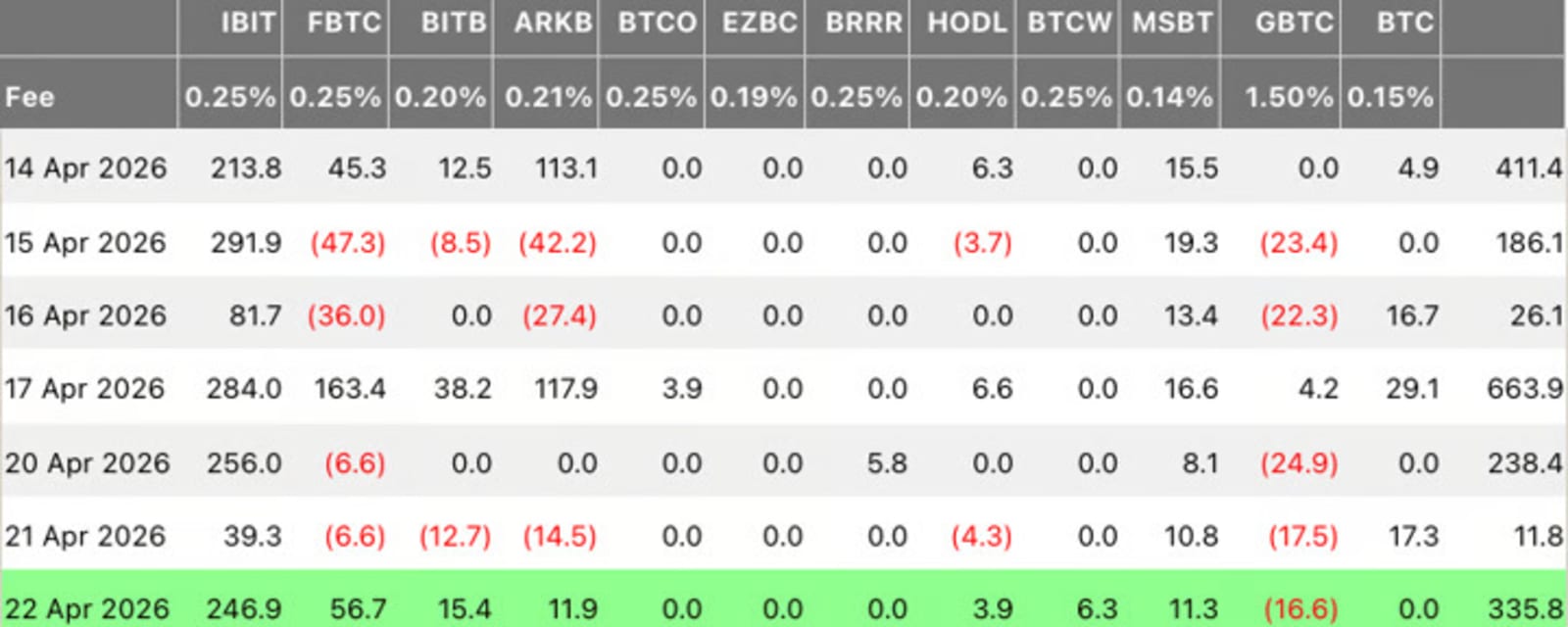
- • Bitcoin ETFs capture $1.32 billion in inflows during March 2026, reversing four consecutive months of net outflows and signaling institutional capital return, though cumulative quarterly flows remain negative after prior $6.3 billion redemptions.
- • Spot BTC ETFs recorded $561.9 million in net inflows on February 2, 2026, with Grayscale's FBTC ($153.3 million) and BlackRock's IBIT ($142 million) leading the surge as Bitcoin traded near $78,500.
- • Ethereum ETFs hemorrhage capital for five consecutive months, posting $46 million in outflows in March 2026 alone, while Bitcoin dominance strengthens and institutional capital rotates away from altcoin exposure toward core digital assets.
- • Michael Saylor's MicroStrategy now holds approximately 815,000 Bitcoin, exceeding BlackRock's 800,000 BTC held through its iShares Bitcoin Trust, concentrating significant supply among major accumulator entities.
- • On-chain whale activity reveals divergent investor sentiment: Bitcoin saw 3,220 BTC deposited to centralized exchanges ($252.6 million) while Ethereum registered 143,640 ETH outflows ($335 million), with BitMine and other institutional buyers aggressively accumulating ETH despite price weakness.
Summary
Bitcoin exchange-traded funds are experiencing renewed institutional demand in 2026, though the rally remains constrained and uneven across crypto asset classes. In March, US spot Bitcoin ETFs pulled in $1.32 billion in net inflows, reversing four consecutive months of redemptions and signaling a macro-driven return of institutional capital as inflation pressures and geopolitical risks eased. However, this inflow is modest relative to the $6.3 billion in cumulative outflows posted during the prior quarter, leaving Bitcoin ETF net flows still underwater for the period. The February surge was particularly pronounced, with spot BTC ETFs recording $561.9 million in inflows, driven by Grayscale's FBTC ($153.3 million) and BlackRock's IBIT ($142 million). Bitcoin ETFs have become among the most successful product launches in financial history, holding massive quantities of Bitcoin despite price depreciation of approximately 40% from recent highs.
The narrative around Bitcoin supply scarcity is intensifying as major accumulator entities concentrate holdings. MicroStrategy, led by Michael Saylor, now owns approximately 815,000 Bitcoin—exceeding BlackRock's 800,000 BTC held on behalf of ETF customers. When combined with Satoshi Nakamoto's estimated one million lost coins, approximately four million Bitcoin lost to history, and supplies locked within ETF vehicles, the available float for purchase is materially constrained. Continued institutional demand against declining available supply creates potential upside pressure on prices, though Bitcoin remains range-bound between approximately $67,000 and $74,000 as of late April 2026.
Ethereum presents a starkly different picture, experiencing significant capital outflows that underscore a clear rotation toward Bitcoin dominance. Ethereum ETFs posted $46 million in outflows during March 2026, extending their losing streak to five consecutive months. The asset has declined 26% over the prior 30-day period, trading near $2,300. Despite ETF weakness, on-chain data reveals institutional buyers accumulating at depressed prices: BitMine purchased 41,000 ETH on February 2 alone, bringing its total holdings to 4.285 million tokens (3.55% of circulating supply), with 2.873 million staked. An unidentified whale purchased 33,000 ETH worth $76.6 million plus $18.95 million in Coinbase Wrapped Bitcoin (CBWTC) during the same period, suggesting selective large-buyer conviction despite retail and ETF outflows.
The capital allocation dynamics reveal a bifurcated institutional response: flows favor Bitcoin as a core digital asset while altcoin exposure contracts sharply. Some capital is being diverted entirely from price speculation toward fixed-income crypto structures, with over $20 million committed to Varntix's 24% fixed-income plan following its announcement. This suggests a broader shift in institutional preferences toward predictable, stablecoin-denominated returns rather than leveraged altcoin exposure. For Bitcoin to sustain the rally beyond current range-bound trading, inflows must stabilize and turn consistent, as current momentum is insufficient to drive material price appreciation.
Go deeper than the headline
Research every firm in this story, track the ones that matter and get the daily briefing — free for 7 days.