
Key Takeaways
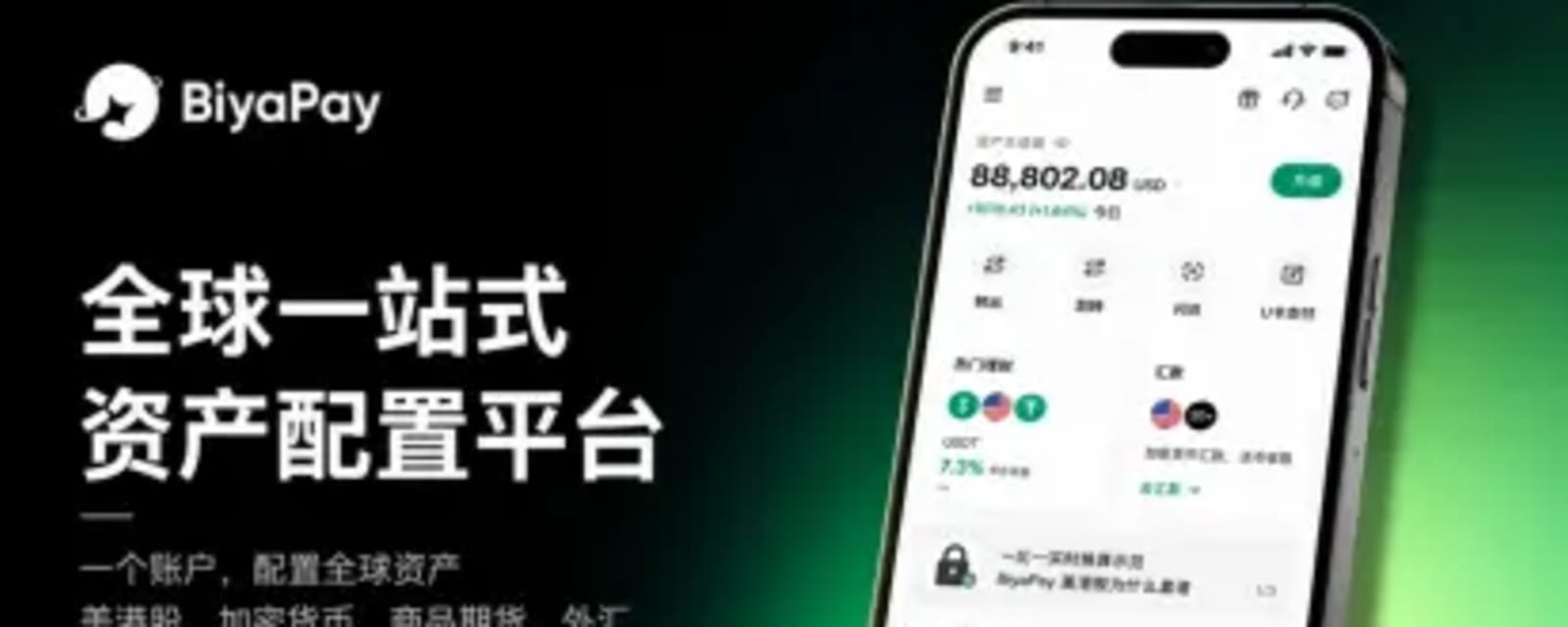
- • BiyaPay expands from payments to comprehensive asset management: The platform is broadening its service offerings beyond payment processing to include one-stop digital asset management capabilities, signaling a strategic shift toward full-service financial services for crypto and tokenized assets.
- • CME Group launches dual crypto benchmark indices: CME formally introduced two multi-asset cryptocurrency indices on Monday, including a broad market index and an "Emerging Crypto Index" specifically tracking large-cap digital assets beyond Bitcoin and Ethereum, expanding institutional benchmark infrastructure.
- • Brazil's Central Bank develops real-time cryptocurrency threat detection system: Brazilian monetary authorities have built an alert system for identifying cryptocurrency-related threats and are collaborating with digital asset service providers on compliance and monitoring frameworks.
- • On-chain asset management reduces traditional fund administration costs: Blockchain-based asset management eliminates the typical 1–1.5% annual fees charged by traditional fund administrators, presenting significant cost arbitrage for institutional asset managers transitioning to digital infrastructure.
- • Fogo network experiences critical infrastructure failure following security breach: The Fogo mainnet halted block production for 46 hours after attackers stole approximately 400 million FOGO tokens (10.3% of circulating supply), highlighting risks in validator-dependent blockchain architectures and prompting exchanges to suspend deposit/withdrawal functionality.
Summary
The cryptocurrency and digital asset infrastructure landscape is experiencing simultaneous expansion and instability as of late August 2026. BiyaPay is transitioning from a payments-focused platform into a diversified global financial services provider offering comprehensive asset management capabilities, reflecting broader industry consolidation toward full-service digital asset platforms.
Institutional adoption is gaining traction through infrastructure upgrades. CME Group's formal launch of two cryptocurrency benchmark indices—a broad multi-asset index and a specialized emerging crypto index tracking assets beyond Bitcoin and Ethereum—represents a critical step in standardizing valuation and price discovery mechanisms for institutional investors. This development follows traditional finance's gradual integration of digital asset classes into mainstream investment frameworks.
Regulatory engagement is intensifying globally. Brazil's Central Bank has developed a real-time threat detection system for cryptocurrency monitoring and is actively partnering with digital asset service providers to strengthen compliance infrastructure. This reflects regulatory authorities' shift from prohibition toward sophisticated monitoring and integration of cryptocurrency activity into broader financial surveillance systems.
The economic case for blockchain-based asset management continues to strengthen. On-chain asset management eliminates the 1–1.5% annual fees traditionally paid to fund administrators, creating significant operational cost advantages for institutional managers migrating to blockchain infrastructure. This structural cost advantage is likely to accelerate institutional adoption of digital asset custody and administration solutions.
Infrastructure vulnerabilities remain acute. The Fogo network's 46-hour shutdown following a 400 million token theft illustrates critical risks in validator-dependent architectures. The incident—in which attackers exploited the seven-validator council structure—resulted in network-wide pauses and address blacklisting implementations. Major exchanges including KuCoin and Gate suspended FOGO deposits and withdrawals while maintaining trading, with spot volume declining to approximately $2.3 million over 24 hours. The foundation has not disclosed attack details, compensation mechanisms, or network restart timelines, amplifying uncertainty for affected stakeholders.
Go deeper than the headline
Research every firm in this story, track the ones that matter and get the daily briefing — free for 7 days.