
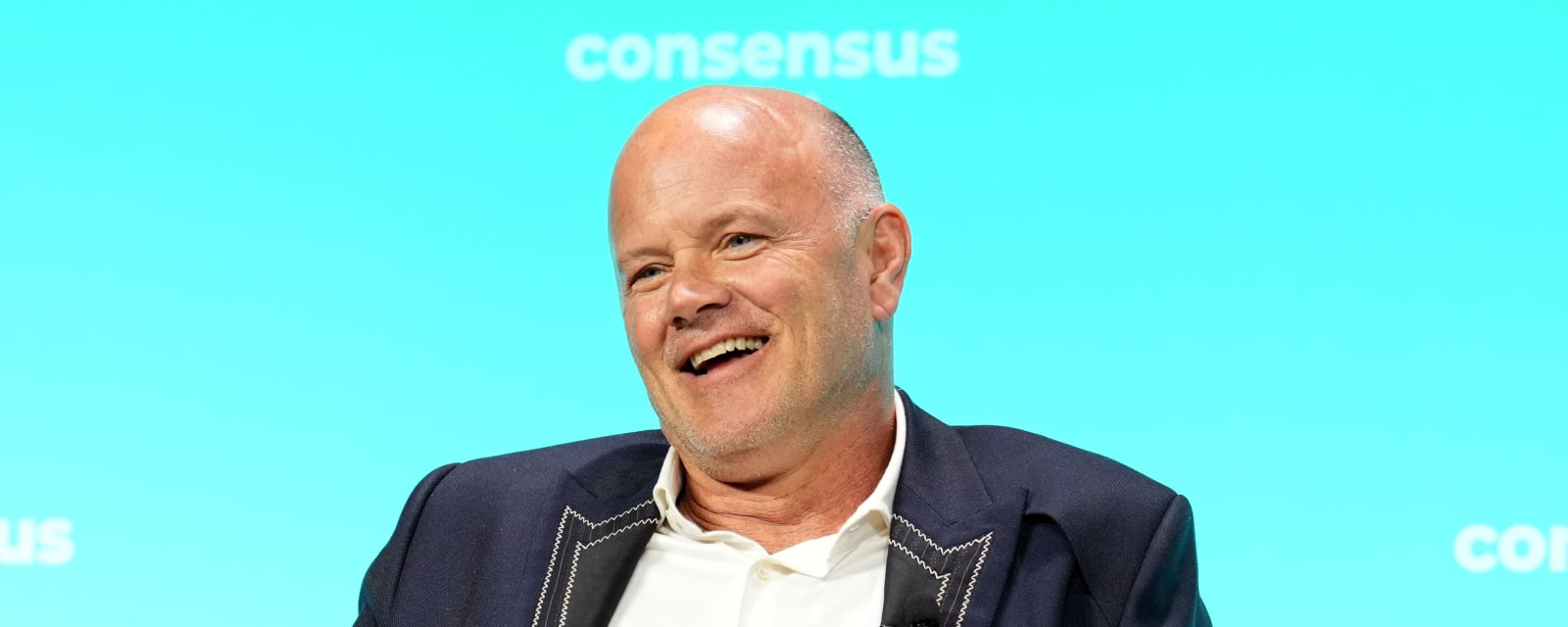
Key Takeaways
- • Mike Novogratz, CEO of Galaxy Digital, predicts the CLARITY Act will achieve the 60-vote Senate threshold required to overcome a filibuster, with passage potentially occurring as soon as August 2026.
- • The primary legislative obstacle—ethics provisions applying to President Trump's crypto holdings—has been resolved through a compromise modeled on the Laken Riley Act framework, which would allow state attorneys general to sue the DOJ for non-enforcement rather than directly targeting the president.
- • Novogratz expects Democratic support for a DOJ-enforcement framework governing the compromise, positioning the bill for a floor vote before the Senate's August recess.
- • Galaxy Digital CEO Novogratz projects Democrats will support the ethics compromise to move the bill forward, though internal dissent remains: Galaxy's head of research Alex Thorn has reduced passage odds to 30% for 2026, conflicting with Novogratz's more optimistic assessment.
- • Coinbase CEO Brian Armstrong has maintained optimism regarding passage, while warning that regulatory failure could push crypto business activity outside the United States.
Summary
Mike Novogratz, CEO of Galaxy Digital, publicly stated his confidence that the Digital Asset Market Clarity Act (CLARITY Act) will clear the Senate's 60-vote filibuster threshold, citing resolution of the bill's most contentious element: ethics provisions governing President Trump's significant crypto holdings. Speaking on the "All Things Markets" podcast with Anthony Scaramucci, Novogratz detailed the compromise framework that he believes will secure passage, with a floor vote potentially scheduled as early as August 2026, before the Senate's scheduled recess.
The ethics provision has represented the primary legislative obstruction for weeks. Novogratz outlined a compromise modeled on the Laken Riley Act structure, which would prohibit state attorneys general from suing the president or members of Congress directly, while preserving their authority to sue the Department of Justice if they determined federal enforcement of the law was inadequate. Senators Cynthia Lummis (R-Wyoming) and Bernie Moreno (R-Ohio) have already endorsed White House language addressing presidential ethics concerns, removing a key negotiating barrier. Novogratz predicted that Democrats would support a DOJ-enforcement framework governing this compromise, motivated to clear the issue from their legislative agenda.
However, internal disagreement within the crypto industry leadership persists. Galaxy Digital's head of research, Alex Thorn, has reduced his 2026 passage probability estimate to 30%, diverging significantly from Novogratz's bullish public stance. Coinbase CEO Brian Armstrong has remained optimistic about the bill's prospects while simultaneously warning that the absence of regulatory clarity poses a material risk—specifically, that portions of Coinbase's business could relocate internationally if Congress fails to establish the necessary legislative framework for domestic crypto operations.
The broader implications of CLARITY Act passage extend beyond the cryptocurrency sector. Novogratz has argued that the legislation would enable large-scale technology companies, including SpaceX and Google, to operate with greater regulatory certainty in digital asset markets, positioning it as foundational infrastructure legislation rather than crypto-specific regulation. Galaxy Digital stock declined over 6% on Friday, July 25, 2026, though retail investor sentiment on Stocktwits remained neutral with normal discussion volumes.
Go deeper than the headline
Research every firm in this story, track the ones that matter and get the daily briefing — free for 7 days.