
Key Takeaways
- • More than 2,000 US advisory firms now allocate to crypto exchange-traded products (ETPs), a dramatic increase from fewer than 200 before 2024, signaling accelerated institutional mainstream adoption of digital assets.
- • The 2024 US regulatory approval of spot bitcoin and ether ETPs marked a watershed moment, enabling tens of billions in institutional inflows and transforming access to crypto without requiring direct token ownership.
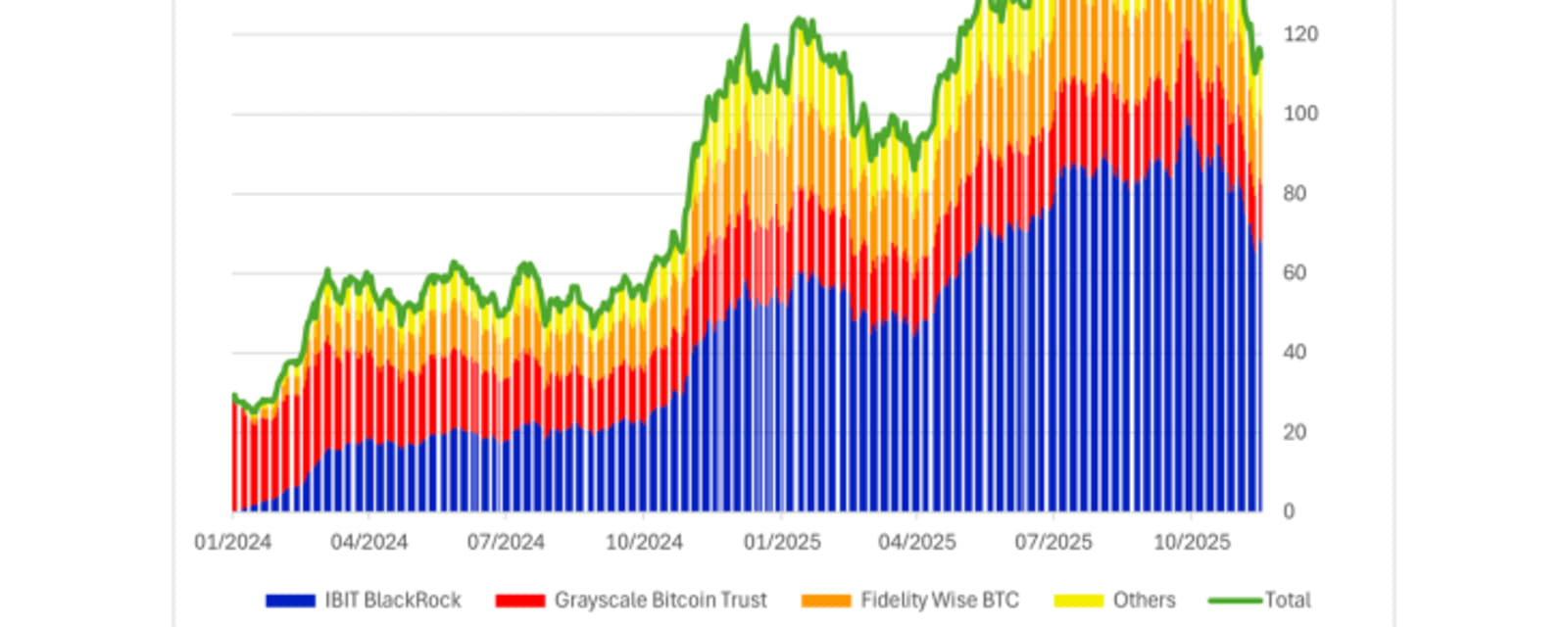
- • Major asset managers—including BlackRock, Fidelity, Franklin Templeton, Invesco, and VanEck—now oversee tens of billions in spot crypto products, with BlackRock's IBIT ETP reported as the fastest-growing ETP by assets under management in history.
- • Crypto ETPs function as regulated, exchange-listed vehicles bridging traditional finance and blockchain, available in multiple structures (ETFs, ETNs, ETCs) with distinct risk profiles and custody requirements tailored to digital asset infrastructure.
- • Institutional custodians now support approximately 5–7% of bitcoin in circulation, demonstrating measurable confidence in specialized custody infrastructure and compliance mechanisms required for institutional-scale crypto holdings.
Summary
The institutional adoption of cryptocurrency exchange-traded products has accelerated dramatically, marking a decisive shift from crypto's historically fragmented, lightly regulated status toward integration within mainstream financial infrastructure. According to industry analysis, more than 2,000 US advisory firms now allocate capital to crypto ETPs—a remarkable expansion from fewer than 200 firms prior to 2024. This migration reflects fundamental changes in how institutional investors access and manage digital assets.
The regulatory breakthrough in 2024 proved catalytic. US approval of spot bitcoin and ether exchange-traded products removed structural barriers that had previously constrained institutional participation. Pension funds, sovereign wealth funds, and traditional asset managers seized the opportunity to gain regulated, custody-backed exposure to digital assets without direct blockchain interaction or token custody complexity. The result has been tens of billions in institutional inflows into these vehicles within a compressed timeframe.
Major global asset managers have rapidly scaled their crypto product offerings. BlackRock, Fidelity, Franklin Templeton, Invesco, and VanEck now collectively oversee tens of billions in spot crypto products. BlackRock's IBIT ETP stands out as the fastest-growing ETP by assets under management on record, underscoring the pace of institutional capital deployment. These firms have deployed institutional-grade infrastructure—including specialized custody solutions, blockchain intelligence capabilities, and compliance mechanisms—to address the unique operational and regulatory requirements of managing public blockchain assets at scale.
Crypto ETPs function as regulated conduits between traditional finance and blockchain networks, offering multiple structural variants tailored to different institutional preferences. Exchange-traded funds (ETFs), exchange-traded notes (ETNs), and exchange-traded commodities (ETCs) each carry distinct custody, leverage, and counterparty risk profiles. This structural diversity allows institutions to align crypto exposure with their risk management frameworks and regulatory mandates.
Evidence of custodial infrastructure maturation underscores institutional confidence. Institutional custodians now support approximately 5–7% of bitcoin in circulation globally, a measurable indicator that specialized custody solutions have achieved operational credibility. This infrastructure development—combined with the growth in institutional advisory firm allocations and the success of flagship spot ETPs—suggests that crypto's institutional era is advancing faster than previously anticipated, cementing digital assets as a recognized component of diversified institutional portfolios.
Go deeper than the headline
Research every firm in this story, track the ones that matter and get the daily briefing — free for 7 days.