
Key Takeaways
- • The CFTC filed a brief in federal court on Friday arguing that CME Group has not shown it is being harmed by the agency's new perpetual futures policy, and therefore lacks legal standing to challenge it.
- • The CFTC approved the first bitcoin perpetual futures contract, from Kalshi, in May, and said it will regulate perps on a case-by-case basis as futures.
- • CME contends perpetual contracts are swaps because they have no expiration date, a classification that would bring a different regulatory approach.
- • The CFTC noted that volume in CME's crypto futures has risen since the policy shift, undercutting CME's claim of injury.
- • TD Cowen's Jaret Seiberg said CME may still hold an edge on standing and on the swaps argument, but the market's timeline is pressing.
Summary
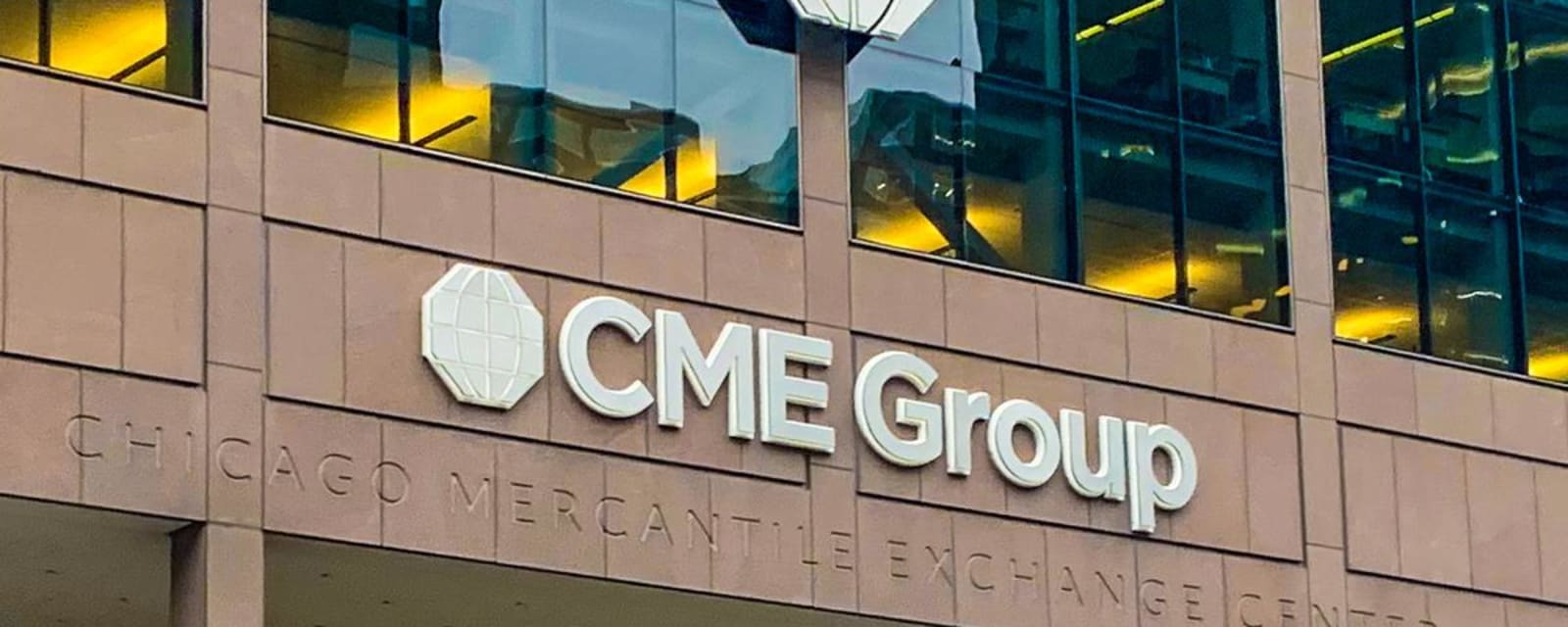
The U.S. Commodity Futures Trading Commission has moved to undercut CME Group's legal challenge to its policy on perpetual futures, arguing in a brief filed on Friday that the derivatives exchange has not demonstrated it is being harmed. According to the filing, "Allegations of increased competition, without any plausible inference of an imminent financial injury," do not confer legal standing on CME. The agency pointed out that trading volume in CME's crypto futures has risen since the policy change.
The CFTC opened the door to perpetual futures in the U.S. in May by approving the first bitcoin perpetual contract, offered by Kalshi. The move followed the Trump administration's push to bring perps into domestic trading. Perpetual contracts, which allow traders to speculate on an asset's future price using typically leveraged positions and carry no built-in expiration, have grown substantially overseas. The agency said it will regulate these products case by case as futures.
CME, which operates the leading global derivatives venues, has argued that perpetual contracts are not futures precisely because they lack an end date, and should instead be treated as swaps, which would fall under an entirely different regulatory framework. The CFTC has argued that CME has been telling investors it has not seen demand for perps and that the products are not substitutes for the futures it offers. "CME cannot have it one way with the court and another way with the investing public on earnings calls," the agency said. The CFTC first asked a federal judge to dismiss CME's case last month and this latest filing focuses on standing. CME spokespeople did not immediately respond to a request for comment.
Jaret Seiberg, a policy analyst at TD Cowen, wrote in a Monday client note that CME may still have the advantage on both its standing as a competitor and its swaps classification argument, though he noted the clock is ticking for the new market.
Go deeper than the headline
Research every firm in this story, track the ones that matter and get the daily briefing — free for 7 days.