
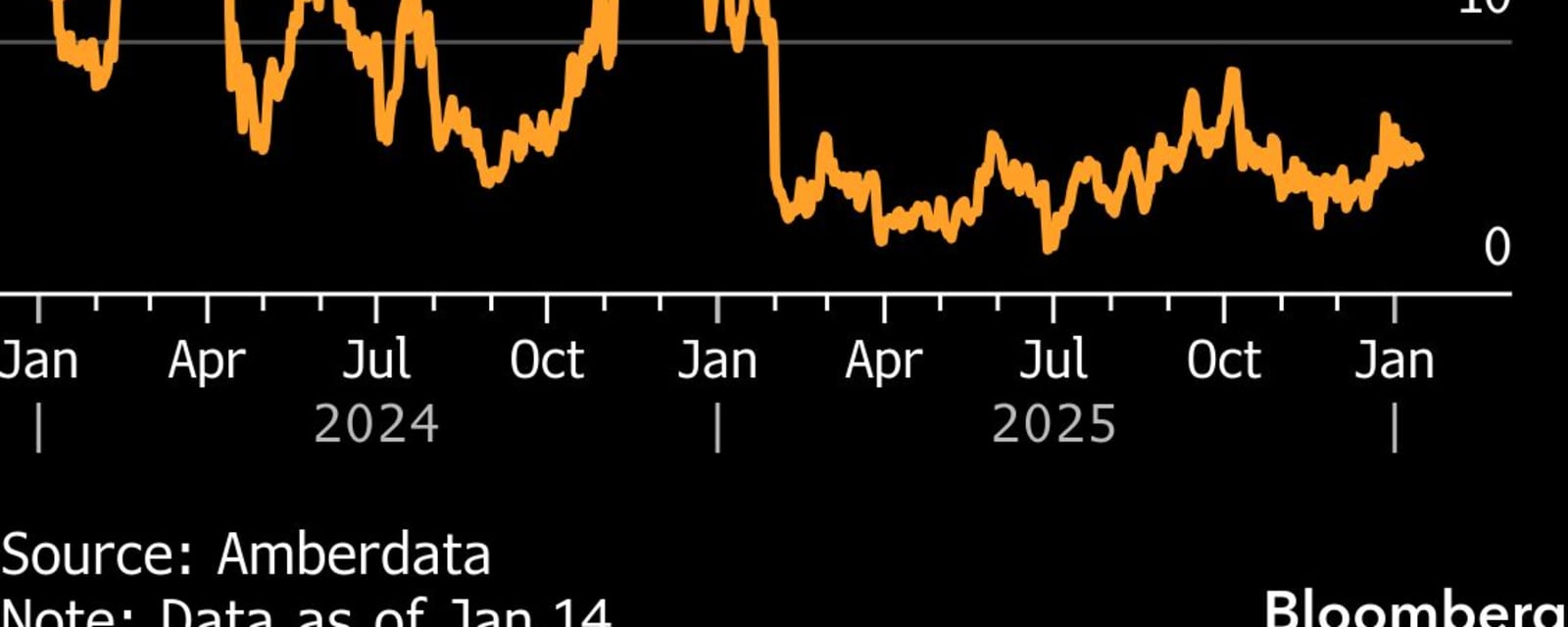
Key Takeaways
- • CME Bitcoin futures open interest has fallen below Binance's for the first time since 2023, marking a structural shift in institutional derivatives trading and signaling diminished Wall Street participation in the market.
- • The cash-and-carry arbitrage trade—historically a reliable profit mechanism where institutions bought spot Bitcoin while selling futures to capture pricing gaps—is collapsing as market efficiency improvements erode the strategy's viability.
- • Tighter bid-ask spreads and more efficient market access across exchanges have eliminated the pricing inefficiencies that once made basis trading lucrative for institutional investors.
- • The breakdown of this "low-risk, high-return" arbitrage strategy reflects a fundamental maturation of Bitcoin's derivatives market structure, reducing the appeal of spot-futures basis plays for traditional Wall Street participants.
Summary
A significant structural shift is underway in cryptocurrency derivatives markets, as Wall Street retreats from one of its most consistently profitable trading strategies. The cash-and-carry trade—a mechanism through which institutions simultaneously purchased spot Bitcoin and shorted futures contracts to profit from pricing discrepancies—is experiencing a marked collapse, according to Bloomberg.
The most tangible evidence of this retreat appears in open interest data. Bitcoin futures contracts on the Chicago Mercantile Exchange have slipped below Binance's open interest levels for the first time since 2023. This represents a notable inversion in market leadership, as CME had historically been the dominant venue for institutional derivatives activity. The shift underscores how capital allocation in crypto derivatives is realigning as traditional arbitrage opportunities deteriorate.
The deterioration of basis trading profitability stems from improved market efficiency across the ecosystem. Tighter spreads between spot and futures markets, combined with more seamless access to liquidity across venues, have systematically eliminated the pricing gaps that basis traders exploited. What was once characterized as a "low-risk, high-return" strategy has normalized to competitive, lower-margin returns that no longer justify institutional capital deployment at previous levels.
This market evolution signals a maturation phase for Bitcoin derivatives infrastructure. As market participants gain better tools for cross-venue price discovery and as capital competition drives spreads tighter, the structural arbitrage inefficiencies that attracted Wall Street capital flows in prior years have largely disappeared. The consequence is a fundamental reset in how institutions approach Bitcoin trading strategy, with reduced participation in the once-reliable basis trade signaling the end of an era defined by easily captured pricing dislocations.
Go deeper than the headline
Research every firm in this story, track the ones that matter and get the daily briefing — free for 7 days.