
Key Takeaways
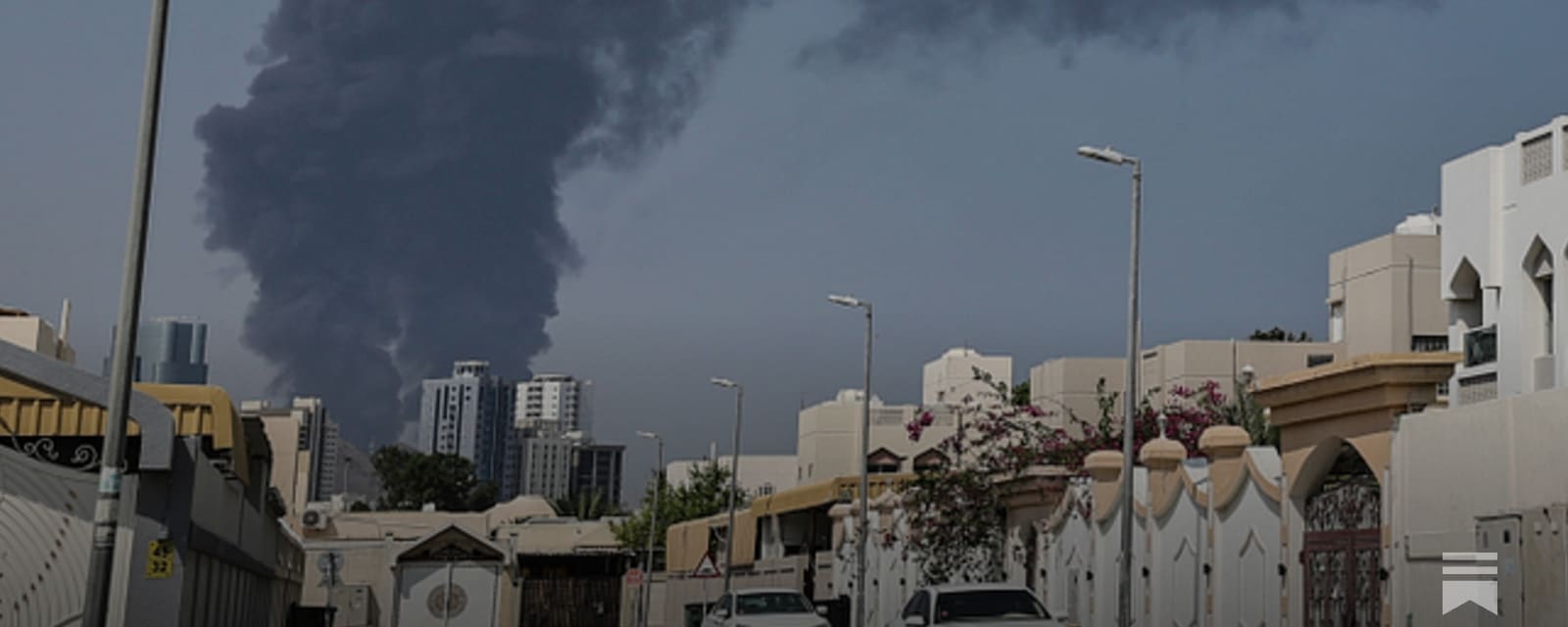
- • AWS experienced permanent data loss in Bahrain and UAE facilities due to drone attacks at the outset of Middle East conflict; affected data centers remain mostly offline, signaling infrastructure vulnerability in the region.
- • Middle East geopolitical risk threatens AI capital flows despite continued frenzied valuations in public and private markets near all-time highs; sovereign wealth funds and Gulf capital represent a shockingly high concentration of AI funding sources.
- • Data center hardening costs will rise materially as operators implement armaments and defensive infrastructure to protect facilities from attack, increasing capex requirements for the AI build-out across the region.
- • Rising interest rates compound funding pressure on AI infrastructure development alongside geopolitical shocks, creating dual headwinds for sustained capital deployment at current levels.
- • High-profile funding rounds continue unabated: Crusoe raised nearly $4 billion at a $30.9 billion post-money valuation, and Bain Capital Ventures launched a $1.6 billion fund, suggesting investor confidence has not yet meaningfully deteriorated despite macro risks.
Summary
The accelerating Middle East conflict and rising interest rate environment present mounting structural threats to the capital flows sustaining aggressive AI infrastructure build-out, even as public and private market valuations remain near all-time highs. While startup investors traditionally counsel founders to disregard uncontrollable macro factors, current geopolitical and monetary headwinds carry material implications for the sector's funding trajectory and operational costs.
AWS's public acknowledgement that drone attacks on its facilities in Bahrain and the UAE caused permanent customer data loss and left infrastructure largely offline crystallizes the infrastructure risk previously treated as theoretical. This incident underscores that Middle East-based data center development—previously positioned as a critical frontier for AI expansion—now faces tangible security threats. The region's sovereign wealth funds represent a disproportionately concentrated source of AI funding; ongoing conflict threatens both their capital availability and their willingness to deploy fresh investment into vulnerable regional infrastructure.
Beyond AWS's direct impact, the conflict is already forcing material cost increases across the sector. Data center operators pursuing expansion in the Middle East must now contemplate hardening facilities with defensive infrastructure and armaments to mitigate drone attack risk, substantially elevating per-megawatt development and operational costs. This compression of margins occurs precisely when rising Treasury yields are already increasing capital costs across infrastructure finance and venture funding rounds.
Despite these mounting pressures, the AI funding machine has demonstrated remarkable resilience. Crusoe's recent capital raise of nearly $4 billion at a $30.9 billion post-money valuation, combined with Bain Capital Ventures' $1.6 billion fund launch, suggest institutional investors have not yet materially repriced risk or reduced deployment velocity. However, the mounting combination of geopolitical shocks, rising rates, and demonstrated infrastructure vulnerability suggests this pricing power may face pressure in coming quarters if either conflict escalation or rate volatility accelerates further.
Go deeper than the headline
Research every firm in this story, track the ones that matter and get the daily briefing — free for 7 days.