
Key Takeaways
- • Ken Griffin, founder and CEO of Citadel, has donated $5 million and loaned three rare sauropod dinosaurs to the Carnegie Museum of Natural History in Pittsburgh, according to the museum's announcement on Thursday.
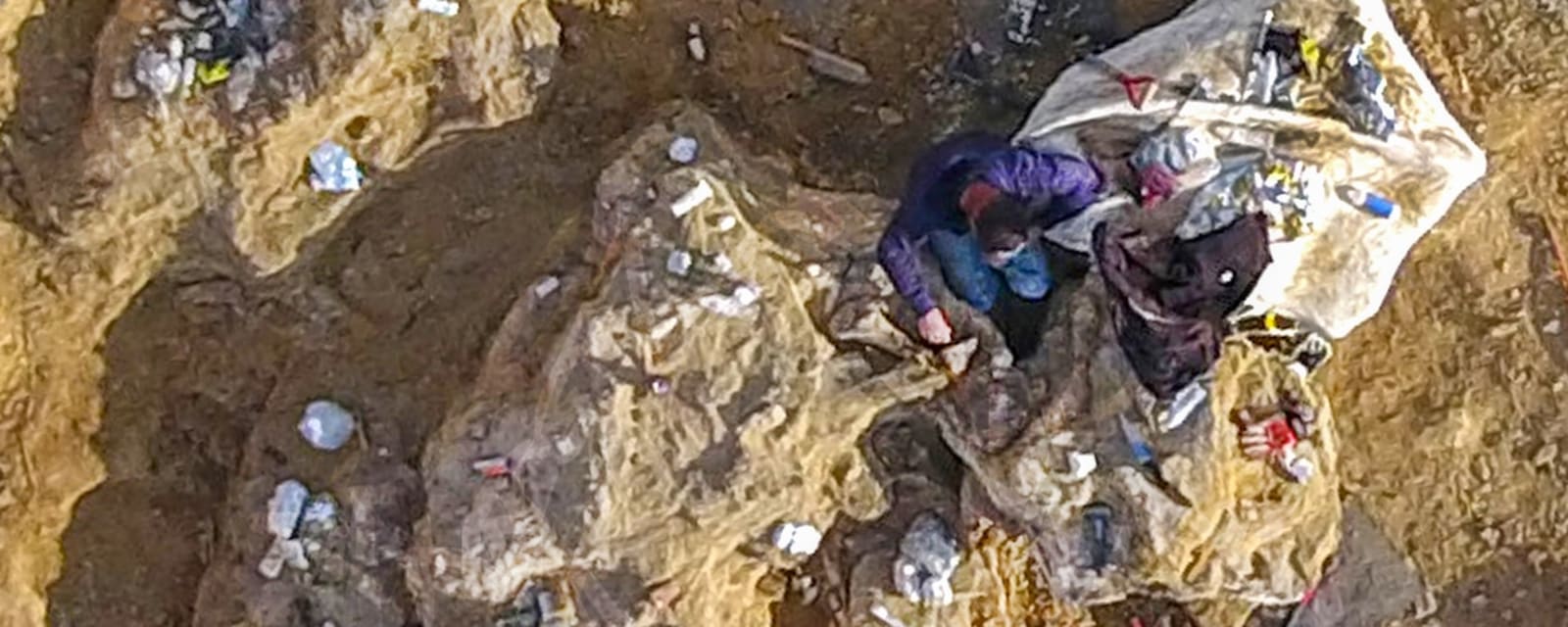
- • The three fossils, an adult and two juveniles possibly representing a family, were excavated by the commercial paleontology lab Fossilogic in Washakie County, Wyoming, between 2023 and 2025 and come from the Morrison Formation.
- • Griffin is loaning the fossils for a decade and covering fossil preparation costs, which adds five full-time staff and two interns to the museum's paleontology department.
- • The $5 million gift will expand paleontological research, educational programming and facilities, including a paleontology lab to be named after Griffin where the public can watch extraction work that could take about five years.
- • The fossils, some still embedded in rock, are scheduled to ship in December or January, and the adult is estimated at 80 to 100 feet long, according to museum director Carey Scheide Miller.
Summary
The Carnegie Museum of Natural History in Pittsburgh will receive a $5 million gift and a 10-year loan of three rare sauropod dinosaurs from philanthropist Ken Griffin, the museum announced on Thursday. Griffin, founder and CEO of investment firm Citadel, is ranked by the publication as the 37th richest person in the world and previously donated $3 billion to Carnegie Mellon University in September. The article notes he has previously purchased fossils and a dinosaur cast and supported museums for display, research and public education.
The three dinosaurs, named Daisy, Lucky and Lucy, consist of an adult and two juveniles that were fossilized together in Wyoming's Morrison Formation, a site dating 157 to 150 million years ago. The commercial paleontology lab Fossilogic excavated them in Washakie County, Wyoming, between 2023 and 2025. Many fossils remain embedded in rock and will be shipped in pieces in December or January. The collection reportedly includes perhaps the largest sample of sauropod skin found to date. According to Miller, the adult is between 80 and 100 feet long and the juveniles about 18 feet long, with at least 120 bones identified for Daisy and about 150 bones from the two juveniles excavated so far.
Griffin's support covers fossil preparation, including five full-time staff and two interns for the paleontology department. The museum will extract fossils in a public-facing lab, where educators will answer questions in real time during an excavation expected to take about five years. After excavation, the bones will be assembled and mounted for a roughly five-year exhibit. The museum plans to enlarge and update the lab, which will be named after Griffin.
Carey Scheide Miller, director of the Carnegie Museum of Natural History, said Griffin was drawn to the museum's expertise in sauropods and that the team had worked on the donation for more than a year. Steven Knapp, president and CEO of Carnegie Museums, said the support will advance world-class research and reinforce Pittsburgh's standing as a global center of discovery. Griffin stated in a press release that the dinosaurs offer an extraordinary window into the planet's history. Griffin previously bought the Stegosaurus fossil Apex for $44.6 million in 2024, which is on loan to the American Museum of Natural History, and in 2017 his charitable fund donated a titanosaur cast to the Field Museum in Chicago as part of a $16.5 million gift.
Go deeper than the headline
Research every firm in this story, track the ones that matter and get the daily briefing — free for 7 days.