
Key Takeaways
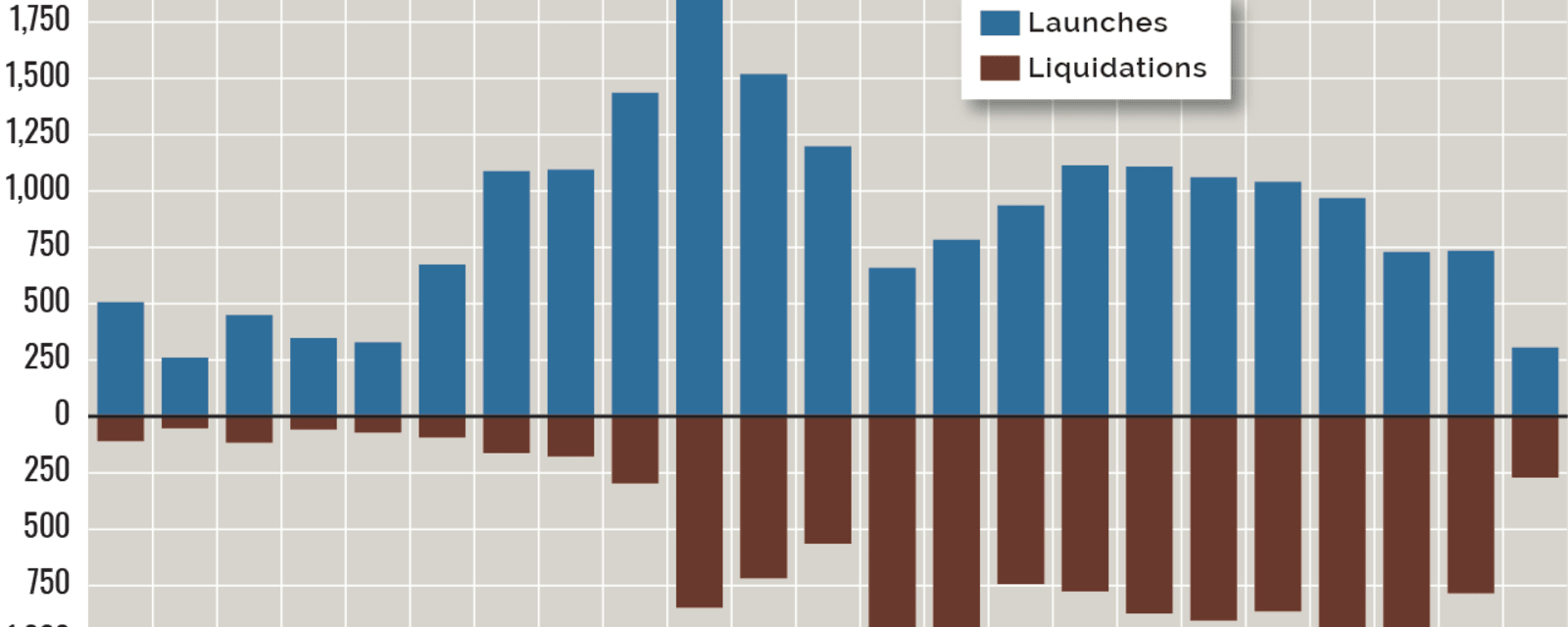
- • New hedge fund launches are declining significantly in one of the most challenging fundraising environments for managers since the 2008 global financial crisis, creating structural headwinds for emerging managers seeking to establish asset bases.
- • Emerging fund managers commonly underestimate startup costs, misread investor appetite, and overlook compliance requirements—four avoidable traps that systematically impede successful fund launches and early-stage growth.
- • Fundraising remains the primary obstacle for emerging managers, with competition from established funds, passive alternatives, and institutional investor caution limiting access to capital pools traditionally available to new entrants.
- • Tighter regulatory frameworks, evolving market conditions, and competition from mutual funds have created a "Lost Decade" operational environment that compounds the challenges of launching and scaling new hedge fund platforms.
- • Minimum investment thresholds and capital-raising requirements vary widely, forcing emerging managers to balance broad investor access against institutional positioning strategies to build sustainable asset bases.
Summary
Emerging hedge fund managers are navigating one of the most difficult fundraising environments since the 2008 global financial crisis, according to reporting from *Pensions & Investments*. New hedge fund launches are declining as institutional investors and capital allocators demonstrate increased risk aversion and preference for established, track-record-rich managers over unproven newcomers.
The primary obstacles facing emerging fund managers fall into four distinct categories. Managers frequently underestimate the true cost of launching an independent hedge fund operation, including regulatory compliance, technology infrastructure, and operational back-office requirements. Simultaneously, many new managers misread institutional investor appetite, overestimating demand for novel strategies or underestimating the bar for demonstrated performance. Compliance oversights represent a third major pitfall, as managers navigate increasingly complex regulatory frameworks without adequate internal or external expertise. Finally, emerging managers struggle with go-to-market positioning, often uncertain whether to target institutional investors exclusively or broaden access to build critical asset mass.
The competitive landscape has intensified substantially. Mutual funds continue to capture assets at hedge funds' expense, while passive investment vehicles have eroded the perceived alpha advantage of active management. Additionally, institutional allocators have grown more conservative, concentrating capital with established firms rather than distributing capital across multiple unproven managers. This concentration of capital flow creates a structural disadvantage for emerging managers seeking first-generation assets.
Regulatory pressure compounds these challenges. Tighter compliance requirements, reporting obligations, and operational standards have raised the cost and complexity of fund formation. Market volatility and broader economic uncertainty have reinforced institutional preference for established platforms with demonstrated crisis management and downside protection capabilities. For emerging managers, these structural shifts mean that launching a viable hedge fund requires not only strong investment performance but also substantial capital reserves, sophisticated operational infrastructure, and institutional-grade compliance frameworks—a significantly higher bar than in earlier market cycles.
Go deeper than the headline
Research every firm in this story, track the ones that matter and get the daily briefing — free for 7 days.