
Key Takeaways
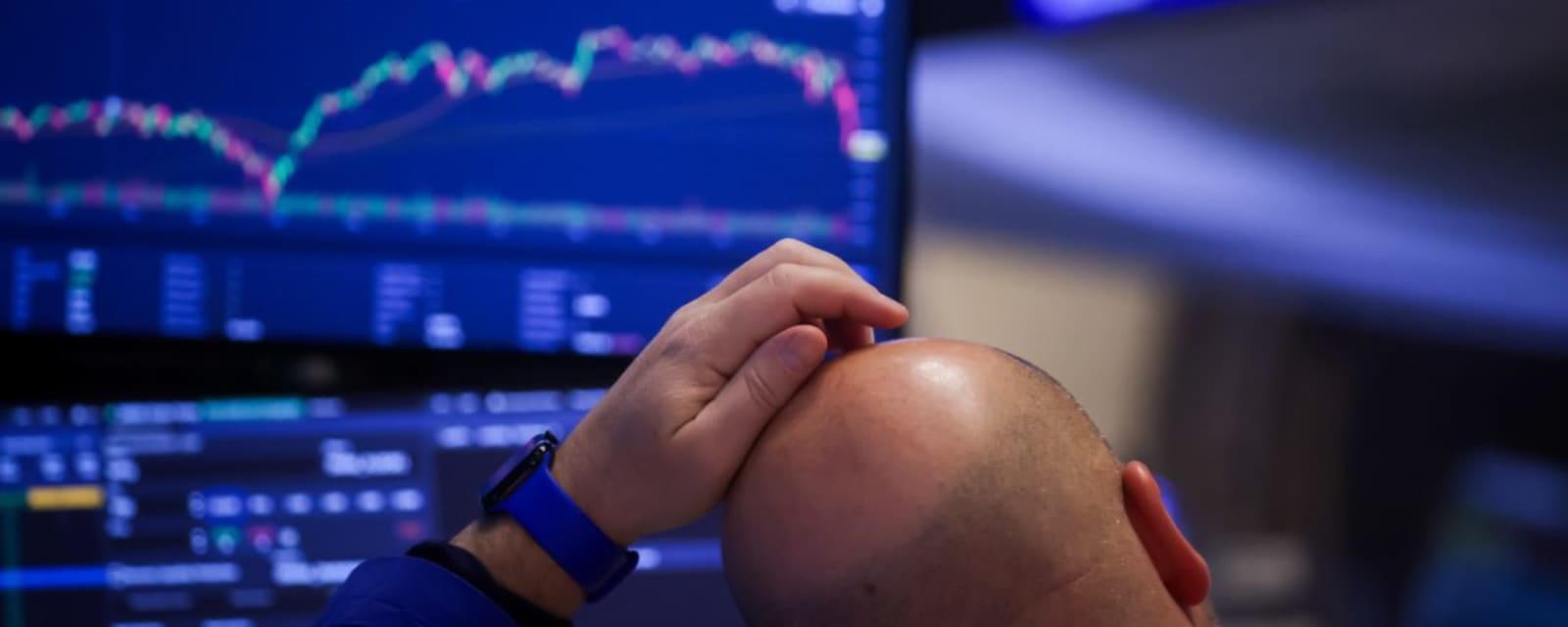
- • The S&P 500 closed Friday down 3.59% at 6,918.45 for its seventh straight loss, its longest losing streak since February 2020, while the Nasdaq Composite fell 5.28%.
- • Goldman Sachs named three conditions that would support a bottom: AI earnings that restore confidence, a dovish Fed signal, or a large drop in investor positioning.
- • Futures priced roughly a 95% chance of a December Fed hike, with the Fed meeting Dec. 9; Goldman economists expect hikes in December and March, lifting the funds rate to 4.25%-4.5%.
- • Goldman's AI stock basket is down 32% since Oct. 6, and Nvidia lost 22.9% on the week and roughly $2.7 trillion in market value since its Oct. 6 peak.
- • Goldman's own note predates Friday's rout, so its data runs through Nov. 19 and the selloff may be deeper than its analysis acknowledged.
Summary
The S&P 500 closed Friday in correction territory, falling 3.59% to 6,918.45 for its seventh consecutive loss and its longest losing streak since February 2020, according to Fortune's reporting on Goldman Sachs research. The Nasdaq Composite dropped 5.28% and is now down more than 2% for the year, and sits 12% below its Oct. 6 record. Goldman strategist Snider wrote that the sell-off had "expanded this week from an AI unwind to a broader growth downgrade," noting the S&P 500 excluding AI had held up until this week and is now 6% below its high. Goldman's AI stock basket is down 32% since Oct. 6, and cyclical stocks have lagged defensives by 5 percentage points over the past 10 days.
Goldman said any one of three developments would support a bottom and recovery: news that raises confidence in AI earnings, a dovish Fed signal, or a sharp drop in investor positioning. Goldman's exhibits are priced as of Nov. 19, so the note predates Friday's rout.
On AI earnings, the market is testing the thesis most directly. Investor Dan Niles told CNBC that a price war between Anthropic and OpenAI is hurting both, with combined sequential revenue growth falling from 75% in the second quarter to 48% in the third and combined losses rising from $7.9 billion to about $8.4 billion. Reuters cited a valuation of roughly 40 times trailing sales for Anthropic. Goldman's own outlook describes the AI outlook for 2028 and beyond as "highly uncertain." Anthropic's IPO raised $93.5 billion after underwriters exercised an option, surpassing SpaceX's $85.7 billion as the largest IPO on record. The shares rose 17% Thursday, then gave most of it back to close Friday at $88.91, near the $83 offering price. Morgan Stanley closed its stabilization support position. Nvidia fell 14% Friday, its worst day in almost two years, and Reuters reported the SEC is probing its accounting practices. Jensen Huang resigned as CEO on Nov. 12, with CFO Colette Kress serving as interim CEO. The VIX closed at 35.89, its highest in 19 months.
On monetary policy, futures priced roughly a 95% probability of a December hike, with the Fed meeting Dec. 9. Goldman economists expect hikes in December and March, taking the federal funds rate to a peak of 4.25% to 4.5%. Philadelphia Fed President Anna Paulson said Thursday that rates need to rise again because inflation is too high. Treasuries rallied sharply Friday on safe-haven demand, which Fortune notes is not the same as a Fed pivot. The 10-year Treasury yield is near 5%.
On positioning, Goldman's note says hedge fund net leverage is the lowest since April 2025. Snider's Hedge Fund Trend Monitor reports that popular hedge fund longs crowded into AI have lagged the S&P 500 by 14 percentage points over six months, among the worst stretches in the basket's 20-year history. However, Goldman's broader Sentiment Indicator remains above average, equity mutual funds and ETFs have taken in nearly $170 billion in the fourth quarter to date, and asset managers' net equity futures positions sit in the 82nd percentile of the past decade.
Forecasts diverge. Goldman's Nov. 17 outlook forecast 8,700 by end-2027, while its Nov. 20 note gives a range of about 5,800 to 8,100 depending on earnings confidence. Historically, after 22 S&P 500 corrections since 1980, the index averaged a 4% return over the following three months and rose in 17 of them. E*Trade research is less reassuring, finding that five of 14 instances since 1983 in which the index first closed 10% or more below a record became bear markets.
Go deeper than the headline
Research every firm in this story, track the ones that matter and get the daily briefing — free for 7 days.