
Key Takeaways
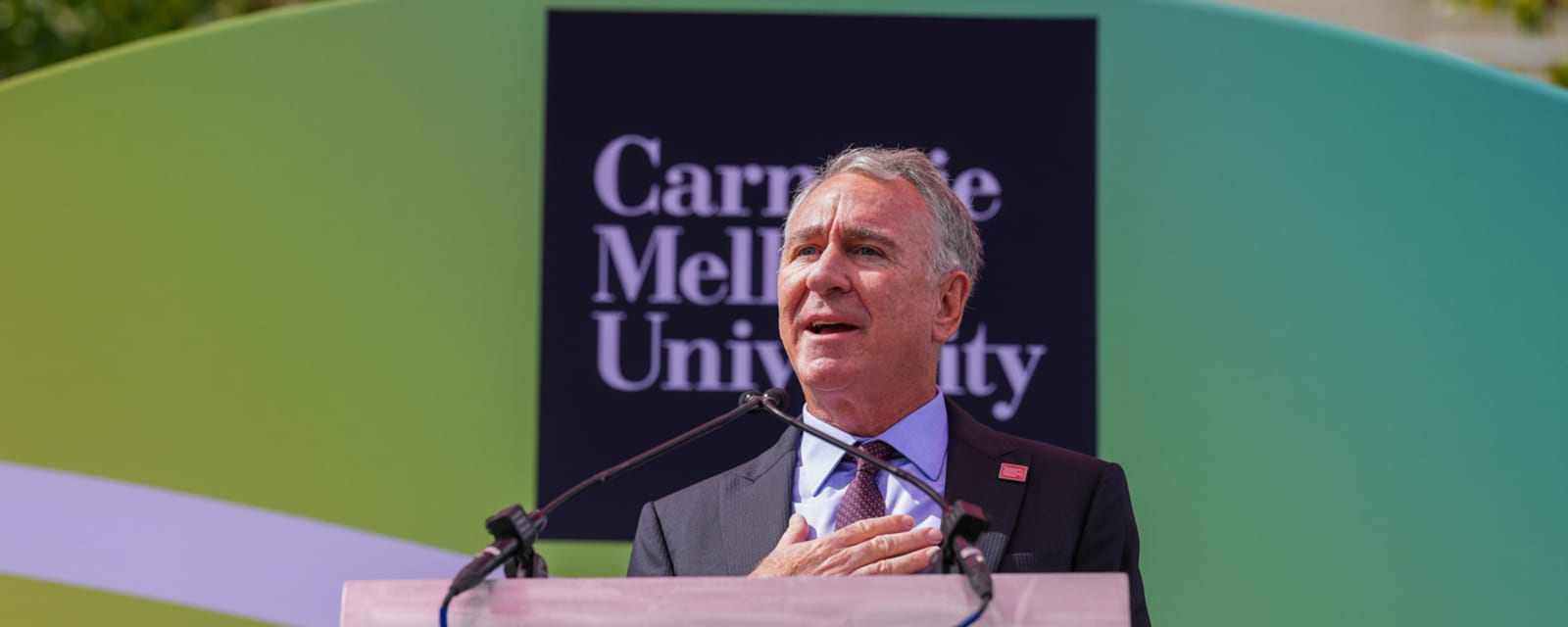
- • Ken Griffin, founder and CEO of hedge fund Citadel, announced a $3 billion donation to Carnegie Mellon University (CMU) on September 30, 2026—the largest single gift from an individual to an American university on record.
- • Approximately $2 billion of the donation will fund a new Carnegie Mellon campus in Miami, with the remaining portion supporting a $210 million cutting-edge science building and other institutional priorities.
- • The gift aligns with Griffin's broader philanthropic strategy emphasizing education as "an on-ramp to the American dream," including prior funding for scholarships at Harvard and economics research at the University of Chicago.
- • The donation mirrors a historical pattern established by Andrew Carnegie's $1 million gift to Pittsburgh in 1900, which eventually led to the founding of Carnegie Mellon University and demonstrates how major philanthropic investments drive long-term institutional excellence and research leadership.
- • Korean business leaders have similarly deployed large educational gifts, with donors including Kim Jae-chul (60.3 billion won to KAIST), Lee Soo-young (76.6 billion won to Kwangwon), and Chang Byung-gyu (10 billion won), establishing a virtuous cycle where entrepreneurial wealth underwrites talent development and technological advancement.
Summary
Ken Griffin's $3 billion pledge to Carnegie Mellon University represents a landmark moment in American philanthropic giving. Announced on September 30, 2026, the donation from the Citadel hedge fund CEO surpasses all prior individual gifts to U.S. universities, positioning Griffin among the most consequential institutional donors in contemporary finance. The magnitude of the commitment reflects both Griffin's personal wealth accumulation through decades of hedge fund management and his stated conviction that educational access serves as a foundational mechanism for economic mobility.
The allocation of Griffin's gift demonstrates strategic intent beyond symbolic generosity. Approximately $2 billion will establish a new Carnegie Mellon campus in Miami, giving the city major university presence and signaling Griffin's broader investment thesis centered on Florida's economic development. An additional $210 million will fund a cutting-edge science building at CMU's primary campus, with remaining funds supporting scholarships, research initiatives, and institutional priorities. This structure channels resources toward both human capital development and physical infrastructure—two levers historically proven to strengthen research output and attract talent.
Griffin's philanthropic philosophy reflects a pattern established over more than a century. The comparison to Andrew Carnegie's 1900 gift of $1 million to Pittsburgh illuminates how major educational donations compound over generations. Carnegie's initial investment, designed to teach practical skills to industrial workers, eventually merged with the Mellon Institute in 1967 to become Carnegie Mellon University, now a global leader in computer science, artificial intelligence, and robotics. Griffin's own trajectory—from a Harvard undergraduate ingeniously installing satellite equipment to receive real-time market data, to founding and building Citadel into a dominant hedge fund—exemplifies the type of innovative talent that institutional educational investments cultivate.
The institutional context for such gifts extends globally. Korean business leaders have deployed comparable philanthropic strategies, with donors like Kim Jae-chul contributing 60.3 billion won to KAIST, Lee Soo-young donating 76.6 billion won to educational institutions, and Krafton chairman Chang Byung-gyu adding 10 billion won to research initiatives. These commitments establish what the Seoul Economic Daily characterizes as a "virtuous cycle" in which entrepreneurial wealth underwrites research excellence, attracts world-class faculty and students, and generates technological advancement that accelerates industrial competitiveness. Griffin's CMU gift follows this proven model of transformational institutional investment, positioning education as both a moral imperative and a strategic economic asset.
Go deeper than the headline
Research every firm in this story, track the ones that matter and get the daily briefing — free for 7 days.