
Key Takeaways
- • Hedge funds are employing aggressive tactics—evolving from "drop downs" and "priming" strategies to newer weapons—to gain competitive advantage in distressed debt situations and bankruptcy proceedings.
- • Speed and early positioning are critical differentiators: hedge funds that act decisively at the outset of distressed situations gain significant leverage, while slower competitors face material losses.
- • Creditor committee participation provides hedge funds with information advantages and strategic control, allowing investors to tap valuable intelligence while sitting on oversight boards of bankrupt companies.
- • Intense competition for distressed assets is intensifying among hedge funds, private equity firms, and credit funds, forcing investors to move faster and deploy capital more aggressively to capture attractive opportunities.
- • Recent market turmoil and volatility have created both losses and opportunities in the distressed debt space, with top-tier hedge funds experiencing significant pain from market dislocations while positioning for recovery.
Summary
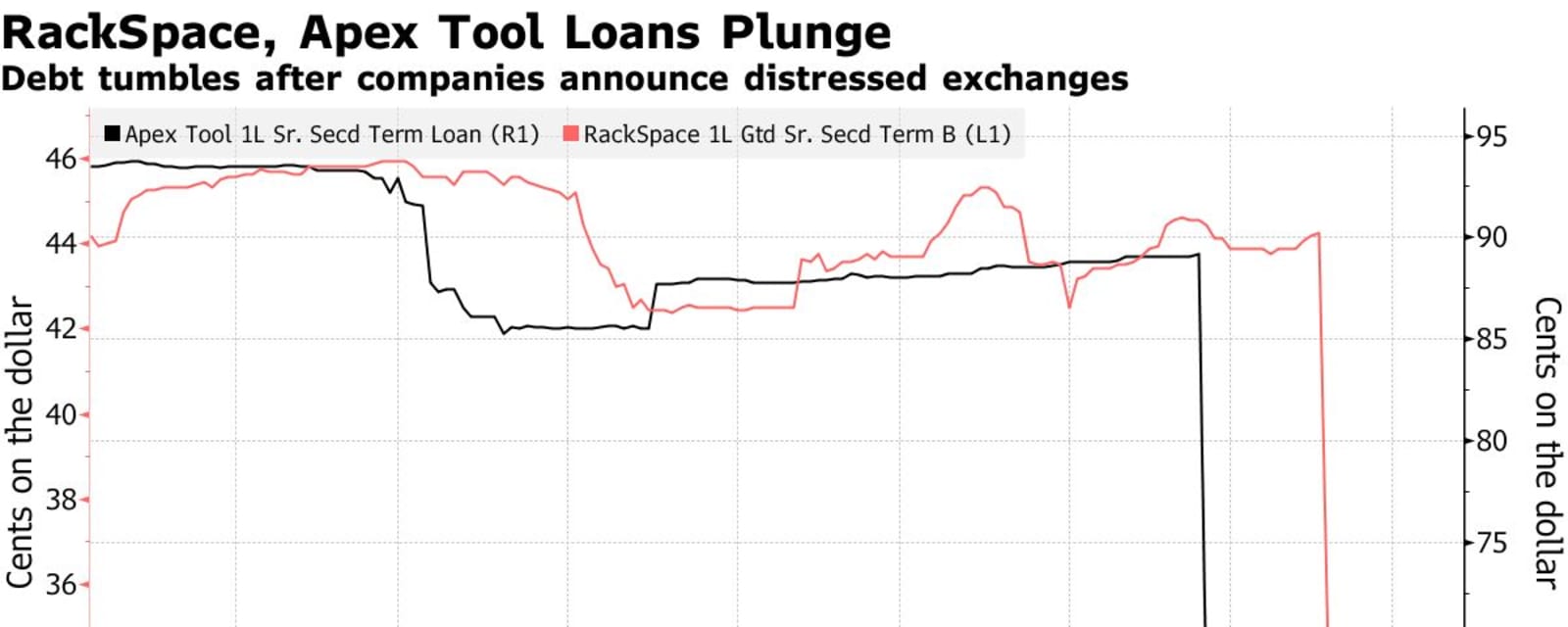
Hedge funds are sharpening their competitive tactics in distressed debt markets, where timing and aggressive positioning have become decisive factors in capturing value from troubled companies. According to Bloomberg, the playbook has evolved from earlier strategies such as "drop downs" and "priming" to more sophisticated weapons designed to secure first-mover advantage in bankruptcy and distressed situations. The core thesis is straightforward: funds that move quickly and establish early control positions win substantial returns, while laggards absorb losses.
A key competitive edge involves securing seats on creditor committees of companies under bankruptcy protection. This positioning provides hedge funds with superior access to confidential financial information and strategic influence over restructuring decisions. By sitting on these committees, sophisticated investors gain visibility into company performance, management plans, and potential recovery scenarios—intelligence that informs both their investment thesis and their negotiating leverage. This approach transforms passive debt holders into active stakeholders with material control rights.
The competitive landscape has intensified significantly. Hedge funds must now compete aggressively with private equity sponsors and specialized credit funds for the same distressed opportunities. This competitive pressure forces funds to deploy capital faster, take more aggressive positioning, and commit larger ticket sizes earlier in the distressed cycle. Recent market turmoil has accelerated this dynamic, with top-tier hedge funds experiencing material losses even as they identify new opportunities emerging from broader market dislocations. The message to portfolio managers is clear: in modern distressed markets, hesitation is costly, and the funds that establish positions first secure the most valuable outcomes.
Go deeper than the headline
Research every firm in this story, track the ones that matter and get the daily briefing — free for 7 days.