
Key Takeaways
- • iMGP CIO Luc Dumontier said he is "surprised" more ETF issuers do not use semi-transparent disclosure, under which live holdings are shared daily with liquidity providers under NDA and the full portfolio is published with a lag, generally quarterly.
- • The DBi managed futures ETF, the first managed futures ETF in Europe since 2020, has attracted over $600m in its ETF lines according to ETFBook data.
- • iMGP launched the Sirios Absolute Return Fund UCITS ETF (SARF) in April 2026, the first ETF in Europe to embed a performance fee, using a high-on-high model with an overnight rate hurdle.
- • The Sirios and Polen Capital ETF share classes have not yet attracted meaningful assets, and the firm has no dedicated ETF capital markets function, relying on its Luxembourg ManCo for authorised participant relationships.
Summary
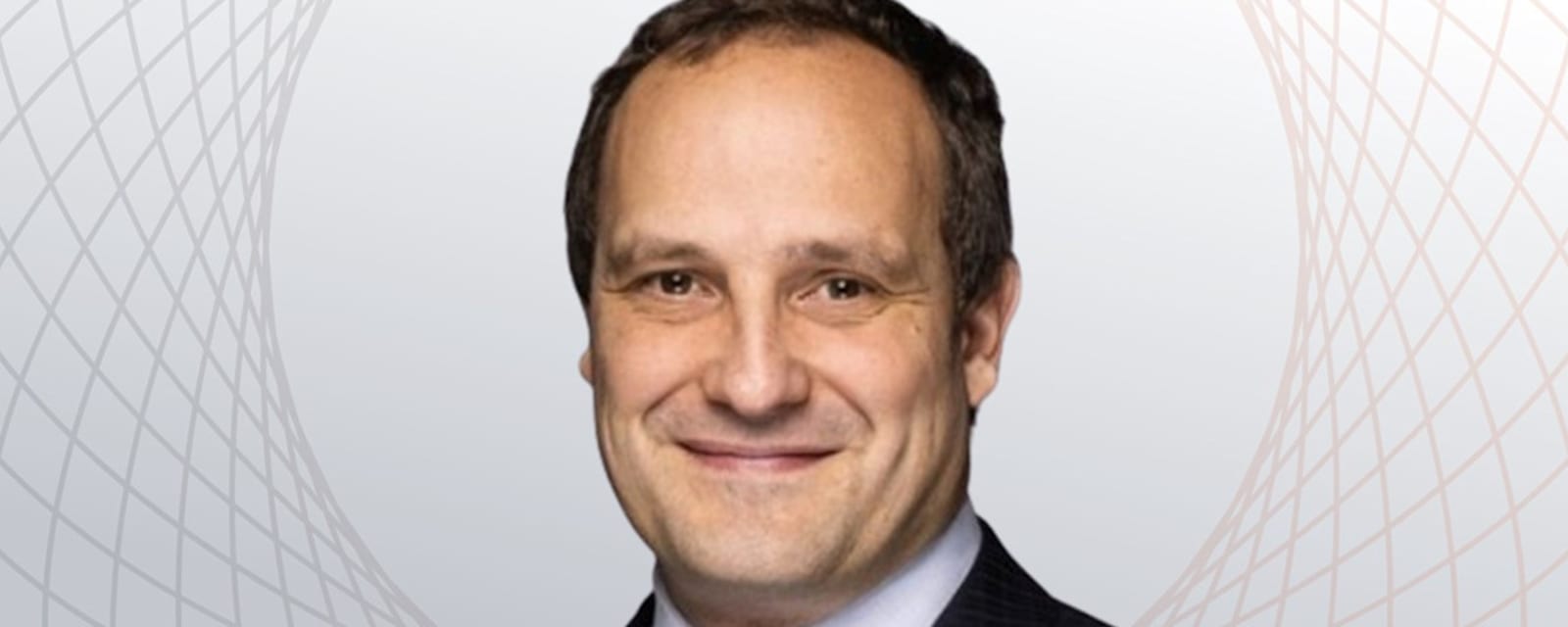
The CIO of Paris-based multi-boutique iM Global Partner (iMGP), Luc Dumontier, has expressed surprise that more ETF issuers do not use reduced transparency requirements, particularly where underlying holdings are illiquid, according to ETF Stream. Speaking after iMGP brought a long/short equity strategy from US hedge fund Sirios Capital Management into the ETF wrapper, Dumontier argued that the strategy's trading horizon justifies limiting disclosure. "It is not a medium or high-frequency trading strategy," he said, noting that positions are typically built or unwound over multiple months. Daily publication of positions, he argued, exposes the portfolio to front-running by traders who can anticipate buying or selling pressure and trade against the ETF.
To address this, a small number of issuers use a semi-transparent model. Live holdings are shared daily with liquidity providers under a non-disclosure agreement so they can make markets, while the full portfolio is published to the public with a lag, generally quarterly. "Ultimately this is for the benefit of clients," Dumontier said.
iMGP entered the European ETF market in 2025 with strategies that depart from the industry's traditional emphasis on transparency, simplicity, intraday liquidity and low, flat fees. The firm launched a managed futures strategy from hedge fund replication shop DBi in March 2025, the first managed futures ETF in Europe since 2020. In April 2026 it rolled out the Sirios long/short equity fund, the first ETF in Europe to embed a performance fee. In June it unveiled a European high yield strategy from Polen Capital, positioned as a liquid alternative to private credit. The Polen ETF publishes holdings with a lag, while the DBi fund is fully transparent, which Dumontier said makes it impossible to front-run because it invests in the 10 most liquid futures.
iMGP's approach is to launch ETF and mutual fund share classes for relevant strategies and let clients choose. The Sirios and Polen ETF share classes have yet to attract assets, while the DBi ETF lines have pulled in over $600m according to ETFBook data. The firm has no dedicated ETF capital markets function; Dumontier said it relies on its Luxembourg management company to manage authorised participant relationships, and noted that iMGP initially struggled to secure market-making support for its active ETFs.
The Sirios strategy, which holds roughly 80-90 long and 80-90 short positions across sectors with low net exposure, may be difficult for market makers to hedge accurately. Dumontier said intraday trading is unnecessary, as investors are expected to hold for months or years and may transact at end-of-day NAV plus a spread. The performance fee on the iMGP Sirios Absolute Return Fund UCITS ETF (SARF) uses a high water mark and is measured annually, which Dumontier said regulators and clients generally demand. Charging against the previous year's NAV with an overnight rate hurdle, he argued, avoids the free short-term option that quarterly reference periods can give managers. The firm beat Dumontier's former employer Ossiam, which had explored ETF performance fees in 2024 while he was there, to the industry first.
Go deeper than the headline
Research every firm in this story, track the ones that matter and get the daily briefing — free for 7 days.