
Key Takeaways
- • A well-managed 401(k) frequently delivers superior risk-adjusted returns compared to most hedge funds, supported by lower fee structures and greater transparency for retail investors.
- • Hedge funds charge substantially higher fees than 401(k) plans, reducing net-of-fee performance and creating a material advantage for tax-advantaged retirement account investors over time.
- • 401(k) accounts provide tax-deferred growth and employer matching contributions, structural benefits that hedge funds do not offer to individual investors.
- • The narrative that sophisticated hedge funds automatically outperform retail retirement savings vehicles does not hold up under rigorous performance analysis.
- • Recent policy discussions around private equity access to retirement accounts reflect ongoing debate about whether nontraditional alternatives belong in 401(k) portfolios alongside traditional indexed strategies.
Summary
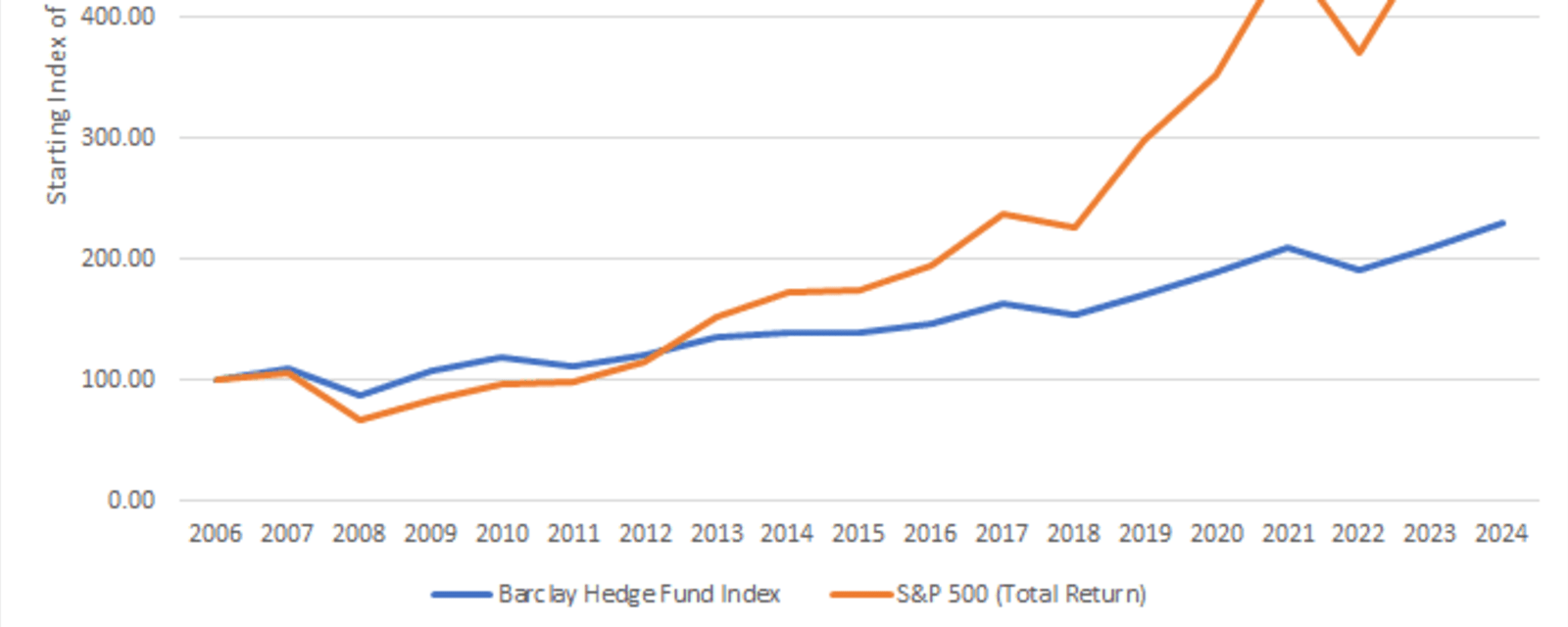
The conventional wisdom that hedge funds categorically outperform 401(k) plans merits reconsideration based on empirical evidence. According to Investopedia's analysis, data demonstrates that a properly managed 401(k) often delivers better net returns than the majority of hedge funds, primarily due to fee differential and structural transparency advantages inherent to employer-sponsored retirement plans.
The fee comparison presents a compelling case for 401(k) superiority. Hedge funds typically charge management fees ranging from 1–2% annually plus performance fees of 15–20% on gains, substantially eroding investor returns over multi-decade accumulation periods. Standard 401(k) plans, by contrast, offer substantially lower expense ratios—often under 0.50% for passively managed index-based options—creating a significant long-term performance gap. This fee drag compounds substantially across retirement horizons, making even modest fee differences material to final portfolio value.
Beyond fee structures, 401(k) plans offer institutional advantages unavailable through hedge fund investments. Employer matching contributions represent immediate return on capital, tax-deferred compounding accelerates wealth accumulation, and regulatory oversight ensures transparency and participant protections. These features operate independently of market performance and create structural advantages difficult for hedge fund strategies to overcome on a net-of-fee basis.
The debate over nontraditional investments in retirement accounts remains active within policy circles and among asset managers. While some argue that private equity and alternative strategies should gain broader access to 401(k) allocations—as reflected in recent executive policy discussions—institutional-scale pension plans have maintained cautious approaches to alternatives, suggesting skepticism about their necessity within diversified retirement portfolios. The fundamental tension remains: access to alternatives versus fee transparency and simplicity.
For individual investors, the empirical finding that 401(k) vehicles frequently outperform hedge fund offerings challenges marketing narratives around sophistication and exclusive access, underscoring that disciplined, low-cost retirement investing remains highly competitive relative to alternatives available only to high-net-worth investors.
Go deeper than the headline
Research every firm in this story, track the ones that matter and get the daily briefing — free for 7 days.